2026 Best Drag Chain Options for Global Buyers Will You Choose?
In the dynamic landscape of industrial automation, choosing the right Drag Chain can significantly impact productivity and efficiency. With a plethora of options available, global buyers face a challenging decision. Each Drag Chain differs in design, materials, and application. Understanding these differences is crucial for making an informed choice.
Buyers must consider the specific needs of their operations. Factors like load capacity, flexibility, and environmental conditions are vital. Some Drag Chains excel in heavy-duty settings, while others are ideal for lightweight applications. However, not all products meet the desired standards. Rigorous testing and quality assurance measures are essential to ensure reliability.
As you explore the 2026 best Drag Chain options, keep in mind the importance of expert knowledge. Consulting industry professionals can provide valuable insights. Innovations in design and technology may alter the landscape each year. Reflecting on past choices and their outcomes is always beneficial. This approach helps identify the best path forward.
The Importance of Drag Chains in Modern Automation Systems
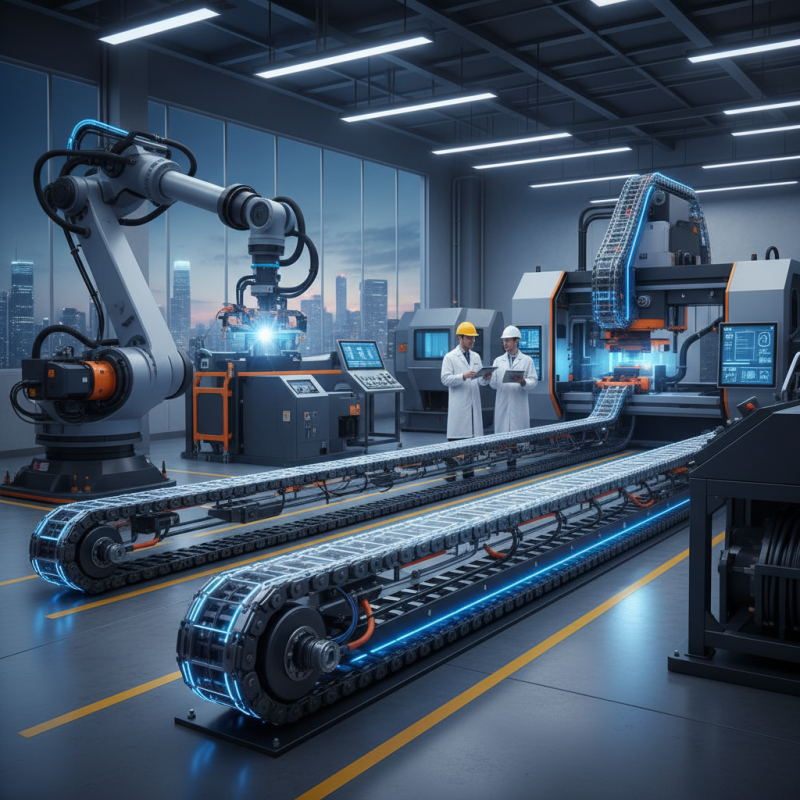
In modern automation systems, drag chains play a crucial role in ensuring smooth operation. These components are designed to manage and organize cables and hoses within machinery. They provide protection against wear and tear, reducing maintenance needs. An efficient drag chain system can enhance the product's lifespan and improve overall performance.
Selecting the right drag chain is not always straightforward. Buyers must consider factors like the working environment, load capacity, and installation space. A poorly chosen drag chain can lead to failures, causing delays and increased costs. While researching options, focus on materials and design that suit your specific requirements. Remember, durability matters just as much as flexibility.
Automation technologies are constantly evolving. New materials and designs emerge regularly, creating various choices for buyers. It’s essential to keep up with these trends while reflecting on past decisions. An outdated drag chain may hinder your system's efficiency. Effective planning and informed choices will ultimately impact your automation success.
Key Factors to Consider When Choosing Drag Chains for Your Application
When selecting drag chains for your application, several key factors come into play. First, consider the environment where the drag chain will operate. Dusty, wet, or high-temperature areas may require specific materials for optimal performance. Look for chains made from durable materials that can withstand such conditions. They should also be flexible enough to accommodate various movements without failing.
Next, the size and weight of the cables or hoses being managed are critical. Ensure the drag chain has adequate space for the components. If space is limited, a compact design might be necessary. Additionally, pay attention to the chain's load capacity. Underestimating this can lead to chain breakage or other mechanical failures.
Lastly, installation and maintenance should not be overlooked. Chains that are easy to install can save time and reduce overall costs. Regular maintenance routines also extend the life of the drag chains. Reflect on your specific needs and challenges. It's often valuable to consult with technical experts. Their insights can guide you in making informed decisions.
Top Brands and Their Drag Chain Solutions in the Global Market
When exploring drag chain solutions, the global market offers various top brands with diverse offerings. These solutions are crucial for protecting cables and hoses in moving applications. However, selecting the right drag chain can be challenging due to varying requirements for different industries. Buyers must consider factors like load capacity, environment, and flexibility.
Innovative designs and materials define the best options available. Advanced solutions enhance durability while minimizing wear. For example, some brands focus on lightweight materials, which offer better mobility. Yet, this can sometimes compromise strength. It is essential for buyers to balance these factors based on individual project needs.
The world of drag chains is not without its pitfalls. Buyers may be drawn to flashy marketing but should delve deeper into specifications. Understanding real-world applications and potential limitations is key. Ultimately, informed choices enhance operational efficiency and longevity of equipment in any industry.
Comparative Analysis of Material Types Used in Drag Chain Manufacturing
When considering drag chains, the choice of materials becomes crucial. Commonly, users encounter plastics, metals, and composites. Each material has unique benefits and drawbacks. For instance, plastic chains are lightweight and resistant to corrosion. However, they may not withstand heavy loads effectively.
Metal chains, often seen in heavy industries, offer superior strength and durability. Yet, they tend to be bulkier and more prone to rust. Composites provide a balance, giving manufacturers flexibility in applications. Knowing the specific demands of your environment is essential.
Tip: Regularly assess the operational environment. Factors like temperature, exposure to chemicals, and load weight might affect the longevity of the drag chain.
Different applications may favour different materials. For example, in high-temperature areas, specialized materials are beneficial. Also, consider the chain's movement frequency; it can impact wear and tear. Ultimately, the right choice should reflect a careful analysis of these factors.
Tip: Document your experiences with different materials. This can inform future decisions and help others in the industry.
Future Trends in Drag Chain Design and Functionality for 2026
The drag chain industry is evolving quickly. In 2026, we anticipate a surge in demand for customized drag chains across various sectors. A recent industry report estimates a CAGR of 8.5% in this segment, driven by automation and robotics. The expected growth hinges on enhanced designs that focus on efficiency and durability.
Future trends suggest a shift toward environmentally friendly materials. Manufacturers are exploring biodegradable options that reduce waste. Furthermore, integration with smart technology is on the rise. These innovations can monitor wear and tear, enhancing maintenance schedules. A study highlighted that smart drag chains could reduce operational costs by up to 20%.
However, not all advancements come without challenges. While new materials may improve performance, they also pose questions about long-term durability. The balance between innovation and reliability must be carefully navigated. Industry stakeholders should consider both immediate benefits and potential long-term implications. This complexity invites deeper discussions on sustainable practices and their impact on the drag chain landscape.
