Why is Access Network Switch Essential for Your Business Needs?
In today's digital age, the role of an Access Network Switch is more crucial than ever for business operations. Companies, regardless of size, rely on seamless connectivity to ensure efficiency and productivity. An Access Network Switch facilitates this by connecting devices within a local area network, ensuring data flows smoothly.
Investing in a reliable Access Network Switch can enhance your network's performance significantly. It enables the management of multiple connections, accommodating the growing demands of modern businesses. However, not all switches are created equal. Businesses must assess their specific needs carefully to choose the right switch.
Moreover, the absence of a proper Access Network Switch can hinder communication and slow down processes. This can lead to frustration among employees and potential loss of revenue. Therefore, understanding the importance and functionality of an Access Network Switch is essential for informed decision-making in today’s competitive environment.
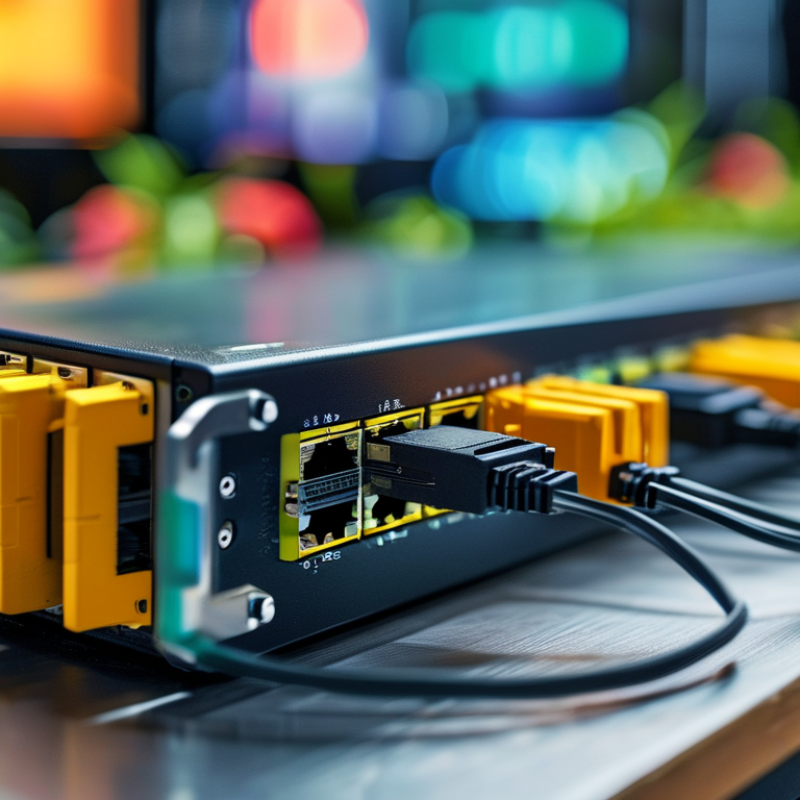
Understanding Access Network Switch: Definition and Functionality
Access network switches are pivotal in modern business infrastructures. They establish connections between devices, allowing seamless data flow. According to industry reports, about 80% of network performance issues stem from inadequate switching solutions. A well-functioning access switch can drastically reduce these issues, enhancing overall productivity.
The definition of an access network switch revolves around its role as the first point of entry into a network. These devices manage traffic from user devices like computers and printers. This is crucial in environments with heavy data loads. A 2022 Cisco report highlighted that organizations utilizing advanced switches improved their operational efficiency by 40%. Yet, many businesses overlook the importance of selecting the right switch.
Functionality is equally critical. Access network switches often include features like Quality of Service (QoS) and VLAN capabilities. These enhance data management and security. However, poorly configured switches can create vulnerabilities. Cybersecurity risks increase without proper oversight. Ensuring the right functionality aligns with specific business needs is essential. Companies must invest time in understanding their unique requirements to maximize benefits.
Key Benefits of Access Network Switch for Business Operations
Access network switches play a crucial role in enhancing business operations. They provide reliable connectivity, enabling devices to communicate efficiently. According to a report by Gartner, organizations that optimize their network infrastructure can reduce operational costs by up to 30%. This is significant, especially for small to medium-sized enterprises (SMEs) that must manage expenses carefully.
Efficiency is another key advantage of access network switches. They facilitate quick data transfer, minimizing latency. Reports show that businesses using advanced switching solutions experience up to 80% faster data access times. This can lead to improved workflows and productivity. A well-structured network ensures that critical applications function smoothly, reducing downtime and frustration.
Moreover, access network switches contribute to better security. They allow for network segmentation, which limits access to sensitive data. A study by IDC found that organizations implementing network segmentation reduced security breaches by 50%. However, not all businesses utilize these features effectively. Many fail to reassess their network needs periodically, leading to inefficiencies. A proactive approach can greatly enhance the overall network reliability and performance.
Why is Access Network Switch Essential for Your Business Needs? - Key Benefits of Access Network Switch for Business Operations
| Benefit | Description | Impact on Business |
| Enhanced Network Performance | Access switches provide dedicated bandwidth and efficient data transmission. | Improved productivity and reduced latency. |
| Scalability | Allows for easy addition of new devices without disruption. | Supports business growth and future expansion. |
| Cost-Effectiveness | Reduces overall IT infrastructure costs through efficient design. | Lowered operational expenses, enhanced budget allocation. |
| Improved Security | Provides segmentation and isolation of network traffic. | Minimized risks of data breaches and enhanced compliance. |
| Simplified Management | User-friendly interfaces and integrated management tools. | Reduced IT overhead and streamlined network operations. |
How Access Network Switch Enhances Network Performance and Efficiency
Access network switches play a crucial role in driving network performance and efficiency. These devices facilitate seamless communication between various networked devices. By managing data traffic effectively, they reduce latency issues. This leads to quicker response times, allowing businesses to operate more smoothly.
In a high-demand environment, the right switch can make a significant difference. It helps prioritize network traffic, ensuring important data reaches its destination first. This is critical for applications like video conferencing and real-time data analytics. Moreover, these switches often come with features like power over Ethernet (PoE), which simplifies device deployment. However, not all switches are created equal, and choosing the wrong one can hinder performance.
It’s essential to consider the unique needs of your business. Evaluate whether your network requires more ports or advanced security features. Balancing cost and functionality is a delicate act. Regular monitoring and assessment are necessary to adapt to changing demands. This ongoing evaluation can reveal areas for improvement, ensuring your network remains efficient and reliable.
Choosing the Right Access Network Switch for Your Organization's Needs
Choosing the right access network switch is crucial for any organization. It is the backbone of your network infrastructure. A reliable switch can enhance performance and ensure smooth data flow. According to a recent report by industry analysts, 70% of businesses experience network downtime due to inadequate switching solutions. This can lead to significant losses.
When selecting a switch, consider several key factors. First, assess the speed requirements of your network. Most modern businesses require switches that support at least 1 Gbps speeds. For growing enterprises, investing in a 10 Gbps switch may be necessary. Furthermore, look for features like Quality of Service (QoS) and Power over Ethernet (PoE). These capabilities can improve efficiency in managing multiple devices.
Security should also be a primary concern. As reported by cybersecurity firms, 35% of companies have faced cyber threats due to weak network infrastructures. Access network switches that offer advanced security features, like VLAN support and access control lists, can protect sensitive data. An improperly chosen switch may expose vulnerabilities. Evaluating your organization’s specific needs and growth potential is essential for making an informed decision.
Maintenance and Upgrades: Ensuring Longevity of Access Network Switches
Maintaining and upgrading access network switches is crucial for business longevity. Regular maintenance ensures optimal performance and reduces downtime. According to industry reports, businesses experience an average of 60% increased efficiency when they invest in proper maintenance strategies. This statistic underscores the importance of routine checks and timely repairs.
Upgrades are equally vital. As technology evolves, switches can become outdated. A study found that organizations upgrading their hardware every three to five years save up to 40% on maintenance costs long-term. This investment not only improves speed but also enhances security. Neglecting upgrades can lead to vulnerabilities, putting sensitive information at risk.
While maintenance and upgrades are essential, many companies struggle with the implementation. They often underestimate the resources needed. This oversight can lead to increased operational risks and inefficiencies. Determining the right balance between maintaining current systems and planning for future upgrades requires foresight and diligence. Regular assessments can highlight areas needing attention, helping align technology with evolving business needs.
