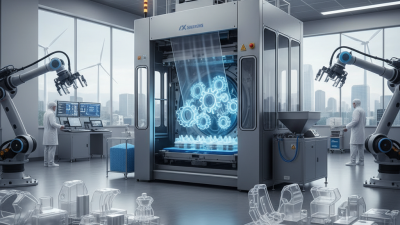
Exploring the Benefits of HDPE Material for 2026 Top Applications?
The exploration of HDPE material reveals its significance across various applications poised for growth in 2026. The global demand for HDPE is anticipated to reach approximately 40 million tons by the end of this decade, a considerable increase driven by its durability and versatility. Renowned expert Dr. Emily Zhang, a leader in polymer research, notes, “HDPE material has the potential to revolutionize industries with its eco-friendly properties and high performance.”
In sectors such as packaging, construction, and automotive, HDPE offers numerous benefits. Its resistance to chemicals and moisture positions it as a preferred choice for packaging applications, which are expected to account for 30% of the market share. The construction sector also values HDPE due to its lightweight nature and longevity. This makes it an ideal solution for piping and structural materials.
Despite its advantages, challenges remain. The recycling rates for HDPE material still lag behind potential. Improvement in recycling technology and consumer awareness is critical for maximizing its benefits. As the industry evolves, understanding these nuances will be essential for stakeholders in harnessing the full potential of HDPE material.
Overview of HDPE Material and Its Properties
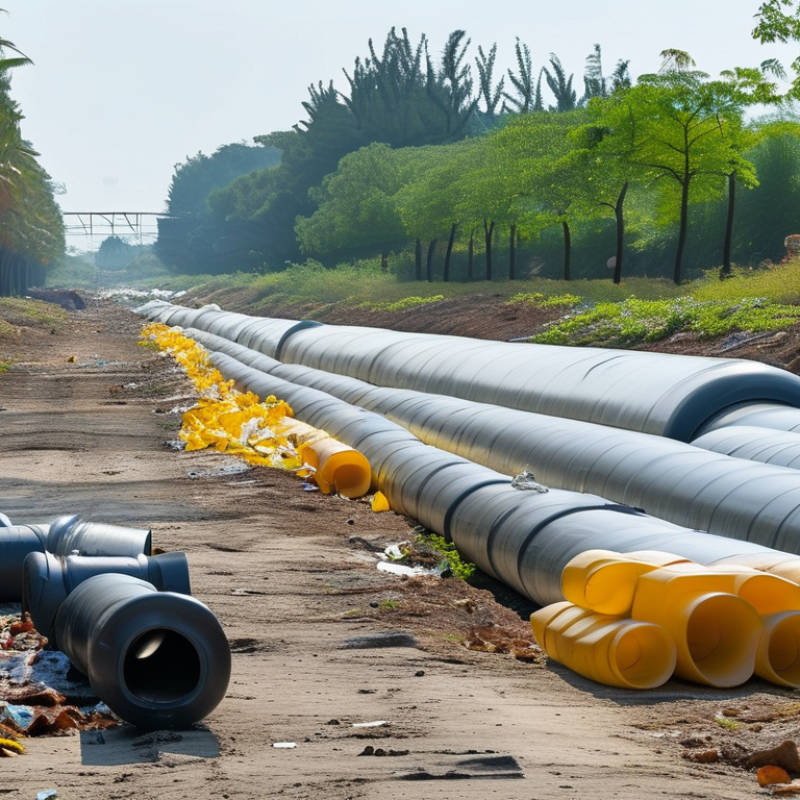
High-Density Polyethylene (HDPE) is a versatile thermoplastic known for its strength and chemical resistance. Its properties make it an excellent choice for various applications. HDPE has a high tensile strength, which allows it to withstand pressure without deforming. According to the Plastics Industry Association, it accounts for approximately 30% of all plastic production in the United States. This figure highlights its widespread use and reliability across sectors.
The material's temperature resistance ranges from -40°F to 120°F. This range makes it suitable for both cold and hot environments. Additionally, HDPE is lightweight yet durable. A study by the American Chemistry Council indicates that HDPE waste can be recycled multiple times without significant loss of quality. This feature contributes to sustainability in industries like packaging and construction.
One aspect worth noting is that while HDPE offers great advantages, its performance can vary based on the application. In some cases, it may not perform as well as other materials under extreme conditions. For instance, HDPE can become brittle at very low temperatures. Thus, it is essential to carefully consider the intended use to maximize its benefits. Understanding these nuances is critical for optimizing performance in top applications by 2026.
Key Advantages of HDPE in Various Applications
HDPE, or high-density polyethylene, stands out for its versatility across numerous industries. Its strong chemical resistance makes it ideal for packaging and containers. This durability ensures products remain safe and intact during transportation. Additionally, HDPE's lightweight nature reduces shipping costs. In construction, it is used for piping and geomembranes, offering long-lasting solutions.
Consider using HDPE in your next project. It repels moisture, curbing the risk of mold and mildew. This feature is particularly useful in landscaping and agricultural applications where moisture can compromise the structure. HDPE's impact resistance also means it withstands rough handling, making it suitable for outdoor furniture or playground equipment.
Evaluate the environmental aspects as well. HDPE can be recycled multiple times, promoting sustainability. However, not all facilities accept HDPE for recycling, which can lead to waste. It’s essential to consider your local recycling capabilities. While HDPE offers impressive benefits, understanding its limitations helps make informed decisions.
Top Industries Benefiting from HDPE in 2026
In 2026, several industries are set to leverage the numerous benefits of HDPE (High-Density Polyethylene) material. The packaging industry is one of the foremost sectors. According to a recent market report, HDPE is expected to account for over 30% of global plastic packaging due to its durability and resistance to impact. This durability makes it ideal for transporting goods safely, significantly reducing product damage during shipping.
The construction industry is also witnessing a surge in HDPE use. The material is favored for its chemical resistance and longevity. In 2026, an estimated 25% of new building projects will incorporate HDPE in piping systems, significantly enhancing project sustainability. This shift aims to reduce maintenance costs, as HDPE pipes last longer than traditional materials.
Moreover, the agricultural sector finds immense value in HDPE for irrigation systems. The versatility of HDPE for creating robust, lightweight pipes means easier installation and fewer leakages. Data shows that 60% of farmers plan to adopt HDPE solutions in the next few years. However, the environmental impact of HDPE production cannot be ignored. This reality calls for a balanced approach, ensuring that the advantages align with sustainable practices.
Exploring the Benefits of HDPE Material for 2026 Top Applications
Sustainability and Environmental Impact of HDPE Usage
HDPE, or high-density polyethylene, continues to gain traction in various applications due to its sustainability and environmental impact. According to the Plastics Industry Association, HDPE is 100% recyclable, making it an excellent choice for environmentally conscious manufacturers. In 2023, over 2 billion pounds of HDPE were recycled, reducing the strain on landfills and energy consumption. The material's longevity contributes to its appeal; products made from HDPE can last for decades, significantly lowering the frequency of replacements.
Yet, the production process of HDPE is not without challenges. The extraction and processing of the raw materials can have a significant carbon footprint. A 2021 study from the American Chemical Society indicated that while HDPE's recyclability is a key benefit, improving production methods to reduce emissions remains a critical area for industry improvement. Companies are encouraged to assess their supply chains thoroughly to minimize environmental impacts, and shifting towards renewable energy in manufacturing can be a viable solution.
Tips for incorporating HDPE sustainably can include sourcing locally to reduce transportation emissions. Consider using post-consumer recycled HDPE in manufacturing processes. Collaborating with recycling programs can also ensure that HDPE products are returned to the supply chain effectively, enhancing the circular economy.
Future Trends for HDPE Material Innovations and Applications
HDPE, or high-density polyethylene, is a versatile material poised for significant innovation by 2026. Recent reports highlight its role in various applications, including packaging, construction, and automotive sectors. For instance, the demand for HDPE in packaging is expected to reach 35 million tons by 2026, reflecting its lightweight yet durable characteristics. Research indicates that HDPE's recyclability makes it an ideal candidate for sustainable practices.
As industries evolve, the trends surrounding HDPE technology are dynamic. Advanced methods in manufacturing processes will enhance material strength and flexibility. According to a study published by an industry leader, innovations in additive manufacturing and biodegradable composites will improve the ecological footprint of HDPE. However, challenges remain in fully integrating these innovations, as scalability often leads to a higher cost of production.
Moreover, collaboration between manufacturers and researchers is essential for overcoming limitations in material properties. Though breakthroughs are anticipated, practical implementation must address market demand and environmental impact. The balance between performance and sustainability continues to be a crucial consideration for HDPE applications in the future. As we advance, the potential of HDPE will hinge on continuous research and development efforts.