What Are the Benefits of Honda Pure Electric Vehicles?
The growing interest in Honda Pure Electric Vehicles reflects a significant shift in the automotive industry. According to the International Energy Agency, electric vehicle adoption is projected to triple by 2030. This surge is driven by advancements in battery technology and increased consumer awareness. Honda is positioning itself well in this evolving landscape. Industry expert Dr. Anne Smith states, “The transition to electric is not just a trend; it’s the future of mobility.”
Honda Pure Electric Vehicles offer numerous benefits, including lower emissions and cost savings. Recent data from the U.S. Department of Energy highlights that driving electric can reduce energy costs by up to 75%. However, challenges remain, such as charging infrastructure and range anxiety. These factors must be addressed for widespread adoption. The journey toward fully electric vehicles requires both industry innovation and consumer adaptation.
While the benefits of Honda Pure Electric Vehicles are notable, it’s essential to recognize ongoing challenges. Infrastructure development needs to keep pace with the growth in electric vehicle sales. Without comprehensive charging solutions, market potential may remain limited. Honda's commitment to innovation aims to navigate these obstacles effectively.
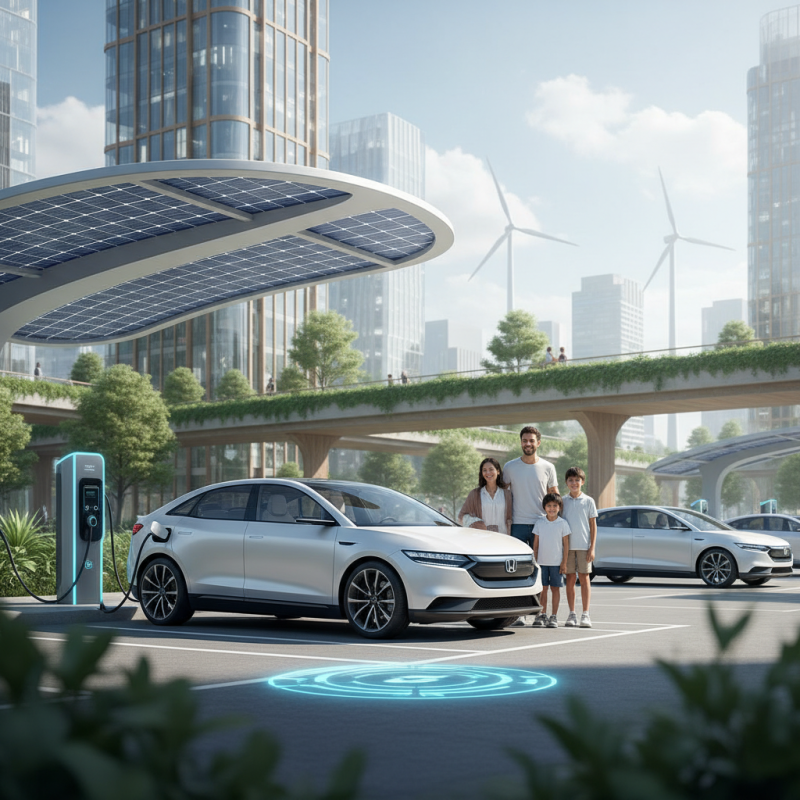
Advantages of Environmental Sustainability in Honda Electric Vehicles
Electric vehicles provide significant environmental benefits. They produce zero tailpipe emissions, greatly reducing air pollution. This shift toward cleaner technologies contributes to the fight against climate change. Emissions associated with electric vehicle production are also gradually decreasing as renewable energy sources become more prevalent.
Sustainability goes beyond emissions. The materials used in electric vehicle batteries can be recycled, minimizing waste. It's essential to support battery recycling programs for a more circular economy. While the production process still raises concerns, advancements in green technology offer hope. Not all production methods are eco-friendly, which calls for continued improvement and oversight.
Investing in electric vehicles will create long-term ecological benefits. Urban areas will experience better air quality, leading to healthier communities. However, users must be aware of their charging habits and energy sources. Electric vehicles are not a one-size-fits-all solution, but with responsible practices, they can significantly reduce our carbon footprint.
Benefits of Electric Vehicles in Environmental Sustainability
Cost Savings: Fuel Efficiency and Maintenance in Electric Models
Electric vehicles offer significant cost savings. Maintenance expenses meet a new standard. Electric models have fewer moving parts. This means less wear and tear. Drivers may spend less time at service centers. Battery health can influence total costs, but regular check-ups can help.
Fuel efficiency in electric cars is impressive. Charging is often cheaper than gasoline. Some regions even offer incentives for electric vehicle owners. It changes the game for daily commuters. However, initial purchase prices can be higher. This may require careful budgeting. Consumers should assess long-term savings against upfront costs.
Many enjoy lower operating costs in electric vehicles. Despite these advantages, not all regions support charging infrastructure. Accessibility can limit convenience, making long trips challenging. Drivers need to consider available charging stations. That factor can impact daily use. It's essential to weigh these realities before switching.
What Are the Benefits of Pure Electric Vehicles? - Cost Savings: Fuel Efficiency and Maintenance in Electric Models
| Category | Gasoline Vehicle | Electric Vehicle |
| Fuel Cost per 100 miles | $12 | $3 |
| Annual Maintenance Cost | $500 | $200 |
| Battery Replacement Cost (after 8 years) | N/A | $5,000 |
| Tax Incentives (Average) | None | $7,500 |
| Overall Annual Cost (Fuel + Maintenance) | $1,500 | $800 |
Advanced Technology Features Unique to Honda Electric Vehicles
Honda electric vehicles incorporate cutting-edge technology, setting them apart in the automotive landscape. One standout feature is the integrated software system, which provides real-time data. This allows drivers to monitor battery health and efficiency closely. User-friendly interfaces enhance the driving experience, making it easy to navigate complex electric vehicle functions.
Moreover, advanced safety technologies are a hallmark of these vehicles. Features like collision mitigation and lane-keeping assist demonstrate a commitment to driver security. These systems work seamlessly, promoting safer driving habits. However, the reliance on technology can sometimes lead to overconfidence, which may diminish attention on the road.
The innovative battery management system showcases efficiency optimization. This allows for extended range while maintaining performance. Users have reported feeling empowered by knowing their vehicle’s range at a glance. Yet, challenges remain in battery longevity and charging infrastructure. Many drivers still seek adequate charging stations for convenience. Balancing technology and practical experience is crucial for future advancements.
Enhanced Driving Experience: Performance and Comfort in Electric Models
Electric vehicles (EVs) bring a new level of performance to the driving experience. They provide instant torque, enabling rapid acceleration. Data from the International Council on Clean Transportation shows that EVs can reach 60 mph in as little as three seconds. This characteristic offers an exhilarating feel that traditional gas vehicles struggle to match.
Comfort is another area where electric models excel. Equipped with advanced technology, they offer quiet cabins and smooth rides. According to a study by J.D. Power, EV owners report significantly higher satisfaction scores for ride comfort compared to gasoline counterparts. The absence of engine noise creates a serene atmosphere, making long drives more enjoyable.
Tips: Before purchasing, test drive various models. Pay attention to acceleration and cabin noise. Consider the range for daily use. Research ownership experiences online to gauge reliability. While many find EVs ideal, others may struggle with charging infrastructure. That’s a reflection worth considering as it shapes your driving experience.
Comparative Analysis of Honda Electric Vehicles vs. Traditional Combustion Engines
The shift from traditional combustion engines to electric vehicles (EVs) is reshaping the automotive landscape. Many drivers are now considering the advantages of pure electric vehicles over gasoline-powered counterparts. The absence of internal combustion in EVs means significantly lower emissions. A 2022 report indicated that electric vehicles can produce up to 70% less carbon dioxide over their lifetime compared to internal combustion engines. This dramatic reduction in greenhouse gases is a key benefit for environmentally conscious consumers.
When comparing efficiency, electric vehicles showcase superior energy conversion rates. Traditional gas engines convert only about 20% of fuel energy into movement. In contrast, electric motors utilize approximately 60% to 90% of stored energy. This advancement highlights the potential for lower fuel costs and improved performance. Additionally, electric vehicles often provide instant torque, leading to quicker acceleration than many gas vehicles.
**Tip:** Consider local charging infrastructure before transitioning. Accessibility to charging stations can affect the practicality of owning an electric vehicle. **Tip:** Research potential battery degradation. Battery life varies, and understanding warranties can save costs long-term. The growth of electric vehicles brings excitement, yet challenges remain. Transitioning requires careful consideration of each aspect involved.
