Best Anchor Bolt Set for Reliable Construction Needs?
In the construction industry, the importance of a reliable Anchor Bolt Set cannot be overstated. Experts emphasize that choosing the right set is crucial for structural integrity. John Smith, a renowned civil engineer, once said, "An unreliable anchor bolt can compromise an entire project." His words highlight the need for quality in this essential component.
Anchor Bolt Sets ensure that structures remain stable under various conditions. They connect building frameworks to their foundations, enduring tension and shear forces. Selecting poor-quality bolts or neglecting specifications can lead to severe consequences.
The market offers various options, but not all are equal. Some may meet basic needs, while others stand out for durability and performance. Construction professionals must prioritize reliability. A hasty decision can lead to costly mistakes, reflecting the need for thorough research and testing. Choosing wisely can make all the difference in a project’s success.
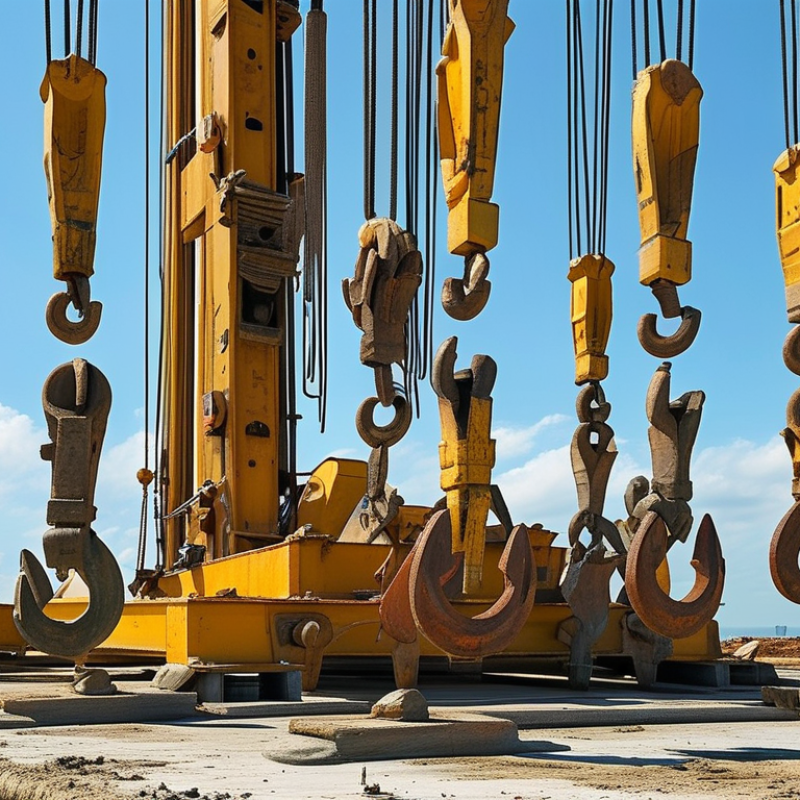
Understanding Anchor Bolts: Types and Applications
Anchor bolts are critical components in construction, anchoring structural elements to concrete. They come in various types, including cast-in-place and post-installed options. Each type has specific applications that cater to different structural needs. For instance, cast-in-place bolts are ideal for new concrete projects, while post-installed bolts provide flexibility for retrofitting.
According to a recent industry report, over 70% of structural failures stem from inadequate anchoring systems. This statistic emphasizes the importance of selecting the right anchor bolt set. The performance of anchor bolts relies heavily on their design and installation. The American Concrete Institute (ACI) outlines specific guidelines for the placement and spacing of these fasteners, ensuring optimal strength and reliability.
Common issues arise from improper installation techniques. Many contractors overlook the importance of surface preparation and hole cleaning. These mistakes can lead to decreased load capacity and increased risk of failure. A proactive approach is essential, incorporating regular training and adherence to standards. Understanding the nuances of anchor bolts is vital for ensuring safety in construction.
Key Factors to Consider When Choosing Anchor Bolt Sets
When selecting an anchor bolt set, various factors come into play. Material type is crucial. Stainless steel is durable and corrosion-resistant. On the other hand, carbon steel is cost-effective but may rust over time if not adequately protected. The choice depends on the environment and purpose of use.
The size and length are essential considerations too. Ensure the bolts will fit the thickness of the material they will anchor. An incorrect size can lead to structural failures. Besides, load ratings must match the intended weight. Always check the specifications provided by the manufacturer for reliable performance.
Installation method also matters significantly. Some anchor bolts require specific tools or techniques for proper application. If improperly installed, even the best materials may fail. Ignoring these details can lead to costly mistakes. Therefore, it’s wise to consult with experts or conduct thorough research before deciding.
Comparative Analysis of Popular Anchor Bolt Brands
When evaluating anchor bolt sets, reliability is paramount. A comparative analysis of popular brands reveals significant differences in performance metrics. According to industry reports, the tensile strength of anchor bolts typically ranges from 40,000 to 150,000 PSI. This range influences how well they perform under load. As a result, construction professionals must understand these specifications to choose the right products.
Corrosion resistance is another critical factor. Over 30% of construction failures are attributed to inadequate material resistance. In coastal regions, for example, stainless steel products often outperform carbon steel variants. The latter can corrode quickly when exposed to saline environments. Proper understanding of environmental factors helps in making informed decisions.
Installation quality cannot be overlooked. Reports indicate that more than 25% of anchor failures result from poor installation. Proper torque specifications are crucial for maximizing the hold of anchor bolts. Awareness of common installation mistakes, like inadequate bolt seating, can also be vital. This attention to detail saves time and resources, ultimately enhancing project outcomes.
Installation Techniques for Maximum Reliability
When ensuring reliable construction, proper installation techniques for anchor bolts are crucial. According to a 2021 report from the American Concrete Institute, nearly 70% of construction failures can be traced back to improper anchoring methods. This highlights the importance of adhering to best practices during installation.
Select the appropriate size and type of anchor bolt for your project. Proper placement in concrete is vital. Experience shows that a minimum embedment of 10 diameters is key to load stability. Additionally, maintaining a clean drill hole before insertion is essential, as debris can weaken the bond. Using a torque wrench to achieve the correct tension is also backed by industry studies, claiming it enhances the overall strength of the installation significantly.
Pay attention to environmental factors. Various materials can expand or contract, leading to potential failures. Research shows that temperature fluctuations can impact anchor performance over time. Regular inspection and maintenance can prevent issues down the line. Addressing installation flaws proactively often leads to safer structures. While mistakes can happen, learning from these scenarios ensures improved practices for future projects.
Best Anchor Bolt Set for Reliable Construction Needs
This chart showcases the performance of a selected anchor bolt set based on various criteria important for reliable construction needs. The dimensions include Bolt Size, Load Capacity, Material Strength, and Corrosion Resistance, providing key insights into selecting the best anchor bolts for construction projects.
Maintenance Tips for Ensuring Longevity of Anchor Bolts
When it comes to maintaining anchor bolts, regular inspection is crucial. Check for any signs of rust or corrosion. These issues can compromise the strength of the bolt. A simple visual inspection can reveal early warning signs. If you notice decay, it may be time to replace the bolts.
Another important aspect is to ensure proper tightening. Loose bolts can lead to structural failures. Use a torque wrench for precise tightening. Follow the manufacturer's specifications for torque values. This will help achieve the maximum holding power. Over-tightening can also be a problem. It may cause damage to the surrounding material.
Environmental factors play a big role in longevity. Humidity and temperature fluctuations can impact bolt integrity. Consider applying protective coatings to prevent corrosion. Regularly cleaning the bolts and their surroundings can also help. Dust and debris can trap moisture, leading to deterioration. Keeping your anchor bolts clean and in good condition is not difficult, but it requires consistent effort.
Best Anchor Bolt Set for Reliable Construction Needs
| Feature | Description | Maintenance Tips | Longevity Factors |
| Material | Carbon steel, stainless steel, or alloy | Regularly inspect for corrosion | Material quality affects lifespan |
| Coating | Hot-dip galvanized or powder-coated | Clean surfaces before installation | Coating durability extends life |
| Load Capacity | Varies by size and material type | Avoid overloading anchor points | Proper load distribution is key |
| Installation | Requires specific torque settings | Follow installation guidelines closely | Improper installation leads to failure |
| Environmental Considerations | Exposure to moisture, chemicals | Protect from harsh environments | Environmental factors influence corrosion |
