Discover Exciting Plastic Manufacturing Jobs at Allied Plastics

Best Balloon Blower 2026 for Wholesale Buyers

For wholesale buyers, choosing the best Balloon Blower in 2026 is about more than finding the lowest unit price. The right machine should match daily order volume, balloon sizes, and the pace of your packing or event-preparation workflow. Small details matter. A nozzle that fits common balloon openings, a stable base, and simple controls can save time during busy shifts. Noise and machine footprint also deserve attention, especially in compact workrooms.

This guide introduces practical points for comparing balloon blowers, including inflation speed, duty cycle, power requirements, build quality, and access to replacement parts. Supplier communication matters, too: confirm what the quoted price includes, how products are packaged, and whether warranty support is clearly explained. A written specification is useful, but it cannot show every real-world limitation. A sample unit or controlled trial can reveal handling issues before a larger order. Not every buyer needs the most powerful model. Some need dependable output across long production runs; others prioritize portability or straightforward maintenance. Consider total operating needs alongside the purchase cost, and verify technical details directly with the supplier. A perfect comparison is difficult. This overview aims to help buyers ask better questions, weigh trade-offs, and select equipment that fits their actual business rather than an impressive product description alone.
Best Balloon Blower 2026 for Wholesale Buyers

What a Balloon Blower Is and How It Works

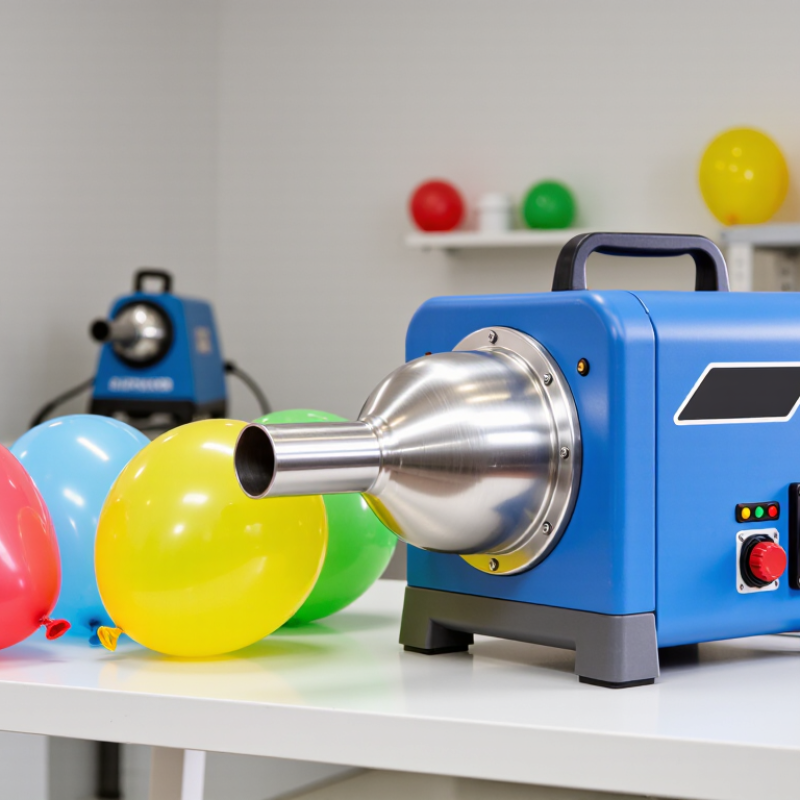
A balloon blower is an electric device that pushes air through a nozzle to inflate balloons. Inside, a motor spins a fan or impeller, drawing in room air and directing it toward the outlet. Pressing the nozzle or switch starts airflow; releasing it usually stops the motor. Simple. The blower adds air, not helium, so the balloon will not float. Many models have two nozzles, allowing two balloons to be filled at once, though airflow may vary between outlets.

For wholesale buyers, understanding the mechanism helps match a unit to daily work. A shop preparing several dozen latex balloons needs steady airflow, a comfortable nozzle, and a motor suited to repeated use. Check the duty cycle, noise level, cord length, and whether the nozzle fits the balloon openings you use. Some foil balloons need a narrower attachment and careful inflation; too much air can stress seams. Test a sample batch before relying on a new unit. A blower can look powerful on paper yet feel awkward during a busy setup. That detail is easy to overlook. Dust around air inlets can also reduce airflow, so routine cleaning matters.

Main Types of Balloon Blowers for Wholesale Use

Wholesale buyers typically choose among handheld single-nozzle blowers, dual-nozzle units, and multi-nozzle filling stations. Single-nozzle models suit sampling, small orders, and shops that frequently change balloon sizes. They are compact, easy to store, and simple to teach staff to operate. Small batches benefit. Dual-nozzle blowers let one worker inflate two latex balloons at once, reducing queues during busy packing periods. Their value depends on steady order volume and available counter space. Multi-nozzle stations support larger runs, but operators still need to check balloon size and airflow. More outlets do not automatically mean faster, more consistent work. That matters.

When comparing blower types, check airflow, nozzle fit, cooling time, noise, and expected daily operating hours. Ask suppliers for instructions and test samples with the balloon sizes you sell most. A narrow nozzle may slow filling, while forceful airflow can stretch thin latex unevenly. Check plug specifications, replacement parts, and warranty terms before ordering in bulk. Foil balloons may require a suitable valve adapter or a separate controlled filling method, so verify compatibility instead of assuming. Not always. There is no perfect type. A modest dual-nozzle blower may outperform a larger station in a cramped packing room; test it with your actual workflow.

Best Balloon Blower 2026 for Wholesale Buyers - Main Types of Balloon Blowers for Wholesale Use

Blower Type How It Works Typical Configuration Best Wholesale Use Main Advantages Considerations
Manual Hand Pump Uses hand pressure to move air into a balloon; many models pump on both the push and pull strokes. No electricity required; usually a compact pump with one nozzle. Small orders, event kits, retail counters, and locations without convenient power. Portable, low-cost to operate, and suitable for occasional use. Requires repeated manual effort and is slower for large-volume production.
Electric Single-Nozzle Inflator An electric motor supplies air through one nozzle while the operator holds or attaches the balloon. Typically a tabletop unit with a mains power cord and a single outlet. Small to medium production batches and general-purpose air-filled balloon preparation. Simple to operate and faster than manual pumping for routine work. Inflates one balloon at a time; operating noise and recommended run time vary by model.
Electric Dual-Nozzle Inflator Provides two balloon outlets; compatible models can allow two operators or simultaneous inflation. Tabletop electric unit with two nozzles, often designed for repeated event or shop use. Busy decorators, party-supply shops, and wholesale packing or preparation areas. Can improve workflow when two outlets are used effectively. Confirm whether both nozzles can operate at once and check the unit’s duty-cycle guidance.
Foot-Switch Electric Inflator A foot pedal or foot switch activates air delivery, leaving the operator’s hands free to position the balloon. Electric tabletop unit with a pedal or switch; nozzle count depends on the model. Repeated filling tasks where operators need to handle balloons continuously. Hands-free activation can make repetitive work more convenient. Requires floor space for the pedal and a suitable electrical outlet; check switch and cord durability.
Preset or Metered Electric Inflator Uses model-dependent timing, pressure, or size-control features to help produce more consistent fills. Electronic controls or a measurement feature; available with different nozzle arrangements. Batch work where consistent balloon size is important for displays, arches, or packaged assortments. Can reduce variation between fills once settings are tested for the balloon type being used. Settings may need adjustment for balloon material and size; verify control functions before purchasing.
Buying note: Electric balloon blowers generally inflate balloons with air; they do not provide helium lift. Output, noise, nozzle compatibility, and permitted operating time vary by product. Confirm specifications with the supplier and test the unit with the intended balloon sizes before placing a wholesale order.

Key Performance and Safety Specifications

For wholesale buyers, a balloon blower should be judged by measured performance, not impressive claims alone. Ask for airflow output and inflation times tested with the same balloon sizes you use. A dual-nozzle model can help crews prepare several decorations at once, but only if airflow stays steady. Check the rated duty cycle, too. A unit that overheats during a busy setup can delay an entire order. Check it under load.

Safety details matter in daily use. Look for a stable base, a well-insulated power cord, clear operating controls, and overheat protection. Keep air-intake openings clear; dust and scraps can restrict airflow. Confirm that the voltage matches your work site, and ask for relevant test documentation rather than relying on vague assurances. Noise levels deserve attention in small indoor venues. That matters. A spec sheet can still leave questions unanswered, so request a sample unit or run a practical trial before placing a large order. Test repeated inflation cycles, inspect the casing for heat, and note how quickly staff can switch between nozzles. Peak performance is useful, but consistency is what keeps a wholesale schedule on track.

How to Compare Balloon Blowers for Bulk Purchasing

Wholesale buyers should compare balloon blowers by usable output, not a supplier’s headline speed. Ask for the airflow rate, recommended operating time, and motor specifications. Then test a sample with the balloon sizes you plan to sell. Time how long it takes to inflate ten balloons, and note whether the motor slows or heats up. Check whether the nozzles fit common balloon necks securely. Noise matters.

For bulk orders, consistency across units matters as much as speed. Test several samples from the same production batch, using the same balloons and power supply. Check the basics. Look for loose switches, wobbly nozzles, or cords that feel thin near the plug. Ask how filters, fuses, or other replaceable parts can be ordered. I would not rely on a single brief demonstration; it can miss overheating during repeated use.

Compare power consumption, operating noise, warranty terms, and the cost of replacement parts alongside the purchase price. Also confirm carton dimensions and protective packing, since damaged units can complicate warehouse receiving. Request written specifications and a sample inspection checklist before confirming quantities. Record test conditions, including room temperature and rest periods between runs; otherwise, results may be hard to compare. One detail buyers can overlook is staff comfort during a long shift, and it is easy to underestimate until the machines are running nearby.

Best Balloon Blower 2026 for Wholesale Buyers

Compare nominal mains voltage in key sourcing markets before placing a bulk order.

Confirm each blower’s voltage and frequency on its nameplate and match them to the destination market. Values shown are representative nominal voltages; local supply standards and permitted ranges can vary.

Supplier, Warranty, and Maintenance Considerations

For wholesale buyers, the best balloon blower is not just the fastest unit; it is one the supplier can support. Ask for written warranty terms covering the motor, switches, and power cord, plus clear exclusions for heavy daily use. Small details matter. Confirm replacement-part availability, repair turnaround times, and whether technical help is offered after delivery. A low purchase price can become expensive when one failed blower stalls a busy event order.

Check the equipment’s intended duty cycle and cleaning instructions before placing a bulk order. Dust at the intake, loose fittings, or a strained cord can shorten service life. The U.S. Department of Energy’s Improving Compressed Air System Performance sourcebook says leaks can waste 20–30% of compressor output. That figure applies to compressed-air systems, not every electric balloon blower, but it shows why air loss deserves attention where compressors are used. Ask suppliers how they test airflow and inspect units before shipment. Ask for evidence.

Keep a simple maintenance log: purchase date, inspection notes, faults, and repair outcomes. It helps identify repeat failures across a shipment. Also request warranty claim steps in writing, including who pays return freight. A generous warranty can be awkward in practice if buyers must ship bulky units overseas. I would compare two or three sample units before committing; paperwork alone cannot reveal noisy bearings or a hot-running motor.