Best Drywall Screw for Quality and Cost Effectiveness?
When working on drywall projects, selecting the right screws is crucial. The quality of the Drywall Screw can significantly impact the integrity of your installation. An effective screw can simplify the process, while a poor choice may lead to future issues. Therefore, understanding the characteristics of drywall screws is essential for any DIY enthusiast or professional.
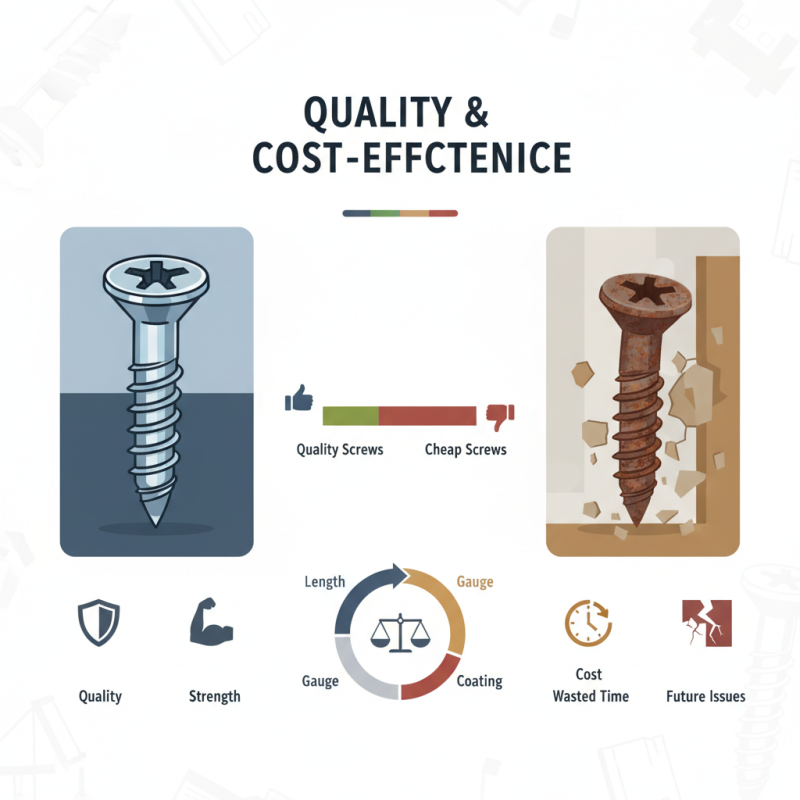
Different types of drywall screws are available on the market. Some may offer better performance, but often at a higher cost. It's common for users to overlook the balance between quality and price. Often, cheaper options do not last and can result in wasted time and resources.
Finding the best drywall screw requires careful consideration of various factors, including length, gauge, and coating. Knowledge can guide you in making an informed decision that meets both quality and budget needs. Reflecting on past experiences may uncover mistakes that can be avoided. This exploration will enhance your project outcomes and ensure optimal results.
Understanding Drywall Screws: Types and Specifications
When choosing a drywall screw, understanding the types and specifications is crucial. There are several variations: coarse-thread screws, fine-thread screws, and self-drilling options. Coarse-thread screws are best for wood studs. They grip well and create strong joints. Fine-thread screws are suited for metal studs. They penetrate easily and provide a clean finish. Self-drilling screws eliminate the need for pre-drilling. They save time but may not work for thicker materials.
The screw's length and gauge matter too. A standard drywall screw typically ranges from 1 to 2.5 inches in length. Thicker drywall often requires longer screws, while thinner boards benefit from shorter lengths. The gauge indicates the thickness of the screw. A thicker screw offers better holding power but might be harder to drive.
Not all screws are created equal. Some may bend or snap when driven too hard. It is essential to balance quality and cost. Cheaper screws may compromise durability. Investing in reliable screws avoids headaches during installation. Consider the project requirements and your skill level. This reflection helps in making informed choices. Achieving a quality finish starts with the right screw.
Evaluating Quality: Features of High-Quality Drywall Screws
When evaluating drywall screws, quality is paramount. High-quality screws often feature a corrosion-resistant coating. This enhances their durability, especially in humid environments. Many professionals recommend galvanized or zinc-plated screws for outdoor applications. Testing shows these coatings can increase lifespan by over 30%. Additionally, a sharp, self-tapping point is essential for easy installation. It reduces the need for pre-drilling.
Another critical feature is thread design. Screws with deeper threads provide better grip. This prevents loosening over time, especially in high-traffic areas. Research indicates that screws with coarse threads enhance hold in soft materials, while fine threads work better in drywall. Weight ratings for screws can vary, but a typical high-quality screw supports over 80 pounds when properly anchored.
Cost-effectiveness also ties back to screw quality. Investing in durable screws upfront can save money over time. A higher initial cost often translates to fewer replacements and repairs. Data from industry analyses suggest that contractors who prioritize quality in their materials report fewer issues on job sites. Proper evaluation of screw features is crucial for anyone looking to balance performance and expense.
Comparing Cost-Effectiveness: Budget-Friendly Options versus Premium Choices
When selecting drywall screws, balancing quality and cost is key. Budget-friendly options can be tempting, but do they meet your needs? While they often come at a lower price, these screws may not deliver the performance expected in critical projects. They may strip easily and have less tensile strength, leading to potential issues down the line.
Premium choices, on the other hand, often provide more reliable features. They typically have better coatings to resist rust and corrosion. However, they come with a higher price tag. It’s essential to assess the specific requirements of your project. Sometimes, spending a little more ensures durability and can save money in the long run.
Tips: When searching for the right screws, consider doing a small test. Purchase a few varieties and see how they perform. Pay attention to how easily they drive into drywall and their pull-out strength. Look for user reviews that speak to long-term use. It’s not just about cost; it’s about the value provided over time. A cheap screw may lead to costly repairs later. Be cautious and choose wisely!
Application Suitability: Choosing the Right Screw for Your Project
When it comes to drywall applications, the importance of selecting the right screw cannot be overstated. The choice of screw affects both the installation process and the long-term durability of the drywall. According to industry reports, around 70% of drywall failures can be traced back to inadequate fastening methods. Choosing a screw with the right size and thread pattern is essential. Various projects may demand different screw styles, be it for standard drywall or moisture-resistant types.
For general residential projects, fine-thread screws are often recommended due to their ability to penetrate metal studs efficiently. On the other hand, coarse-thread screws are better suited for wood studs. Reports from the National Association of Home Builders show that improper screw choice can lead to damage during drywall installation, costing homeowners and contractors time and money. Additionally, many installers overlook the length of screws. A 1 1/4 inch screw typically works best for standard drywall thickness. Ultimately, improper selections can lead to weaknesses in the drywall structure.
While it's tempting to grab the cheapest option, this might not always yield the best results. Buying in bulk can save costs but may lead to quality sacrifices. Data indicates that a balanced approach, considering both quality and cost, often results in more durable installations. It's crucial to weigh the specific needs of your project against potential cost savings.
Maximizing Value: Tips for Purchasing Drywall Screws Wisely
When purchasing drywall screws, it's essential to focus on both quality and cost. High-quality screws ensure a sturdy hold and reduce the risk of material damage. Look for features such as sharp points, which aid in quick penetration, and durable coatings that prevent rust. These characteristics contribute to the longevity of the screws. If you compromise on quality, you may face higher costs in repairs later.
Consider purchasing screws in bulk to maximize your investment. Bulk purchases often come with a lower per-unit price. This approach not only saves money but also ensures you have enough supplies on hand. However, overbuying can lead to unnecessary storage issues. Reflect on your project needs carefully to avoid waste.
Researching to find the right balance of cost and quality is critical. Seek out reviews and ratings from credible sources. Engaging with DIY communities can also provide insight into the best options. Just remember that the cheapest option isn’t always the best. A slightly higher upfront expense for quality screws can save you time and money down the road.
Best Drywall Screw for Quality and Cost Effectiveness
| Screw Type | Length (inches) | Finish | Price per 100 | Pros | Cons |
| Self-Drilling | 1.25 | Zinc Coated | $4.50 | Easy to use, no predrilling needed | Higher cost compared to standard screws |
| Standard Drywall | 1.5 | Black Phosphate | $3.00 | Cost-effective, widely available | Requires predrilling for best results |
| Coarse Thread | 2.0 | Galvanized | $5.00 | Great for securing lightweight fixtures | More expensive and not as common |
| Fine Thread | 1.75 | Screws with Paint | $4.00 | Better for heavier materials | Requires specific drill bits |
