2026 Best Heavy Plastic Sheeting for Global Buyers?
The demand for heavy plastic sheeting is rising globally. According to a recent industry report, the market is expected to grow by 5% annually through 2026. Factors driving this demand include construction, agriculture, and packaging. Heavy plastic sheeting offers durability and versatility, making it a preferred choice for various applications.
High-quality heavy plastic sheeting provides essential protection against weather and contaminants. Its use in construction sites and greenhouses reflects its crucial role in many sectors. However, quality can vary widely among manufacturers. Global buyers must navigate this challenge to choose materials that meet their needs.
Not all heavy plastic sheeting is created equal. Buyers should consider thickness, UV resistance, and tear strength before making a decision. Industry standards can provide guidance, but individual project requirements often dictate the best choice. In an evolving market, staying informed is key to making reliable selections.
Overview of Heavy Plastic Sheeting and Its Uses
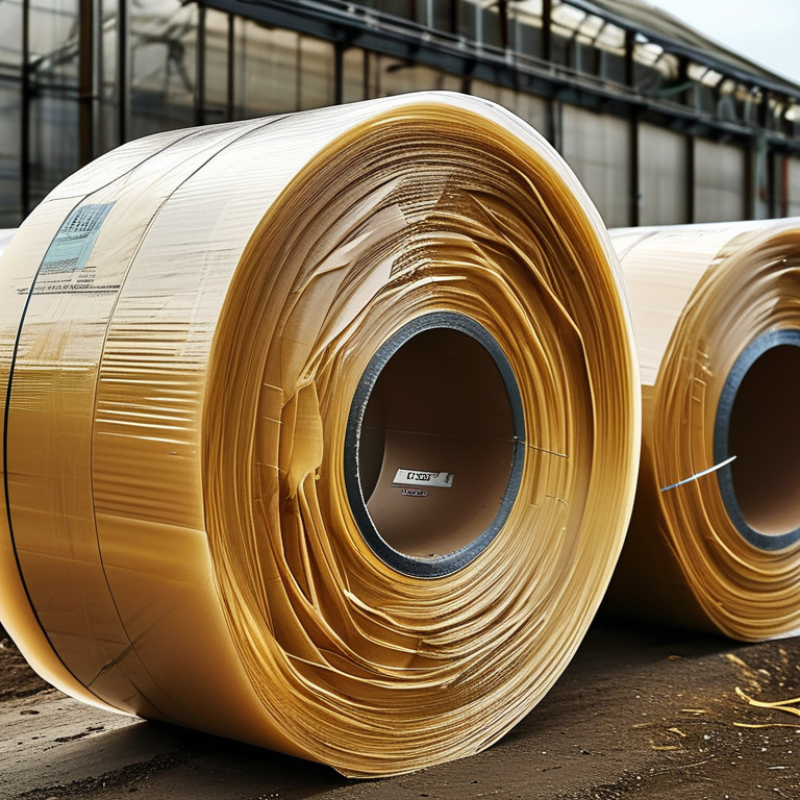
Heavy plastic sheeting plays a critical role in various industries, serving multiple purposes. It is commonly used for containment, dust control, and moisture barriers. According to a recent industry report, the global demand for heavy plastic sheeting is expected to reach over 4 million tons by 2026. This growth reflects its importance in construction, agriculture, and environmental applications.
In construction, heavy plastic sheeting serves as a vapor barrier. It prevents moisture from damaging structures. The roofing and flooring sectors heavily rely on it for protection against water leaks. However, not all heavy plastic sheeting is created equal. Variations in thickness and quality can lead to performance issues. A study highlighted that 25% of contractors reported using subpar materials, leading to failures in moisture prevention.
Agricultural applications also benefit from heavy plastic sheeting. It is used for greenhouse covers and crop protection. The sheeting provides a controlled environment, enhancing growth. However, improper installation can result in significant losses. When sheets tear or are misaligned, crops can suffer. The importance of correct usage cannot be overstated. Many farmers are unaware of best practices, which can lead to wasted resources.
Key Factors to Consider When Choosing Heavy Plastic Sheeting
When choosing heavy plastic sheeting, several crucial factors should guide your decision.
One primary consideration is the thickness of the material. Thicker sheeting, typically measured in mils, offers more durability and resistance to tearing. Look for options that fall within the 6 to 10 mil range for optimal strength.
Another factor is UV resistance. If the sheeting will be exposed to sunlight, select products that can withstand UV degradation. This ensures longevity and effectiveness over time. Additionally, consider the size of the sheeting. Even with thicker options, larger rolls may be necessary for extensive projects. Custom sizes might be ideal for specific needs.
Tips: Check for puncture resistance and flexibility. These properties enhance usability in various climates. Also, conduct tests in your environment to evaluate the sheeting’s performance. Remember that heavy plastic sheeting can develop flaws over time. Regular inspections can help you identify any issues early. Not all sheeting will perform as expected; it’s essential to reflect on your experiences to make better choices in the future.
Top Brands and Products for Heavy Plastic Sheeting in 2026
Heavy plastic sheeting is essential for various projects, from construction to agriculture. As we approach 2026, buyers seek reliable options that balance quality and affordability. Several brands stand out for their durability and versatility. It’s important to consider the specific thickness and clarity needed for your application. Some products excel in heavy-duty tasks, while others are better suited for lighter uses.
Choosing the right product can be challenging. Buyers should focus on materials that resist tearing and provide UV protection. Many options are available in different lengths and widths, which can cater to unique project needs. Conducting thorough research is critical. User reviews can offer insights into real-world performance. Not all products perform well in extreme weather conditions, which could lead to unexpected issues.
While some brands may initially appear suitable, they may not deliver consistent performance over time. It's wise to evaluate your choices based on past experiences and customer feedback. Understanding your specific requirements will help make more informed decisions. Each project brings unique challenges, and not every solution fits perfectly. Adjusting expectations based on practical outcomes can lead to better results.
2026 Best Heavy Plastic Sheeting for Global Buyers
| Type |
Thickness (mil) |
Size (ft) |
UV Resistance |
Usage |
Price per Roll ($) |
| Clear Plastic Sheeting |
6 |
10 x 100 |
Yes |
Greenhouses, construction cover |
45 |
| Black Plastic Sheeting |
10 |
20 x 100 |
No |
Underground moisture barrier |
60 |
| White Plastic Sheeting |
4 |
10 x 50 |
Yes |
Dust containment, construction |
30 |
| Reinforced Plastic Sheeting |
12 |
10 x 100 |
Yes |
Heavy-duty applications |
80 |
| Visqueen Plastic Sheeting |
6 |
20 x 100 |
Yes |
Moisture protection |
50 |
Comparative Analysis of Heavy Plastic Sheeting Materials
Heavy plastic sheeting is a vital material in various industries, from construction to agriculture. A comparative analysis reveals key differences among materials. Polyethylene (PE) sheeting dominates due to its durability and versatility. According to industry reports, the global demand for PE sheeting exceeds 10 million tons annually. It stands out for its resistance to moisture and weather conditions.
Polyvinyl chloride (PVC) sheeting is also useful. It offers superior chemical resistance, making it suitable for industrial applications. However, it can be less flexible than PE, affecting its usability in certain situations. Recent studies indicate that the global market for PVC sheeting is expected to grow by 5% yearly.
Another alternative is polypropylene (PP) sheeting. While it's lighter and more tear-resistant, its performance under heat and extreme cold is often debated among experts. Some tests show that PP may degrade faster under UV exposure compared to PE. Understanding these characteristics empowers buyers to choose the right material for their needs. Gathering detailed technical data is crucial for making informed decisions.
2026 Best Heavy Plastic Sheeting Comparison
Global Market Trends and Innovations in Heavy Plastic Sheeting
The heavy plastic sheeting market is evolving in response to global demands. Innovations in material technology are at the forefront. Manufacturers are introducing enhanced resistance to UV light and extreme temperatures, increasing the longevity of products. Buyers are increasingly interested in eco-friendly options, driving research into biodegradable plastics. Such developments reflect a growing awareness of environmental impacts.
Market trends indicate a shift towards multi-functional sheeting. Various applications range from construction to agriculture. The durability of these materials allows for versatile uses, which appeals to diverse industries. However, quality control remains an area needing improvement. Some products do not meet expected standards, leading to dissatisfaction among consumers.
Furthermore, pricing strategies vary widely. This inconsistency challenges buyers who need reliable options at competitive rates. Innovations are exciting, but manufacturers must also address these gaps. Buyers should prioritize understanding material specifications and vendor reputations. Engaging with knowledgeable suppliers ensures better quality assurance, reducing the risks involved.