Best Nickel Alloy Castings for Global Buyers?
In today's industrial landscape, the demand for high-quality Nickel Alloy Castings has surged. These materials are known for their exceptional resistance to extreme temperatures and corrosive environments. Manufacturers and suppliers play a crucial role in meeting this demand worldwide. However, navigating the myriad of options can be challenging for global buyers.
Choosing the right Nickel Alloy Castings requires careful consideration. Factors such as composition, mechanical properties, and manufacturing processes significantly impact performance. Buyers must seek out suppliers with proven expertise and a solid reputation. It’s essential to prioritize quality assurance and testing procedures.
While many options exist, not all suppliers meet high standards. Some may promise quality but fail to deliver. Buyers should conduct thorough research and seek recommendations. This ensures they partner with trustworthy manufacturers. Making the right choice in Nickel Alloy Castings can ultimately enhance the durability and efficiency of industrial applications.
What are Nickel Alloys and Their Importance in Casting?
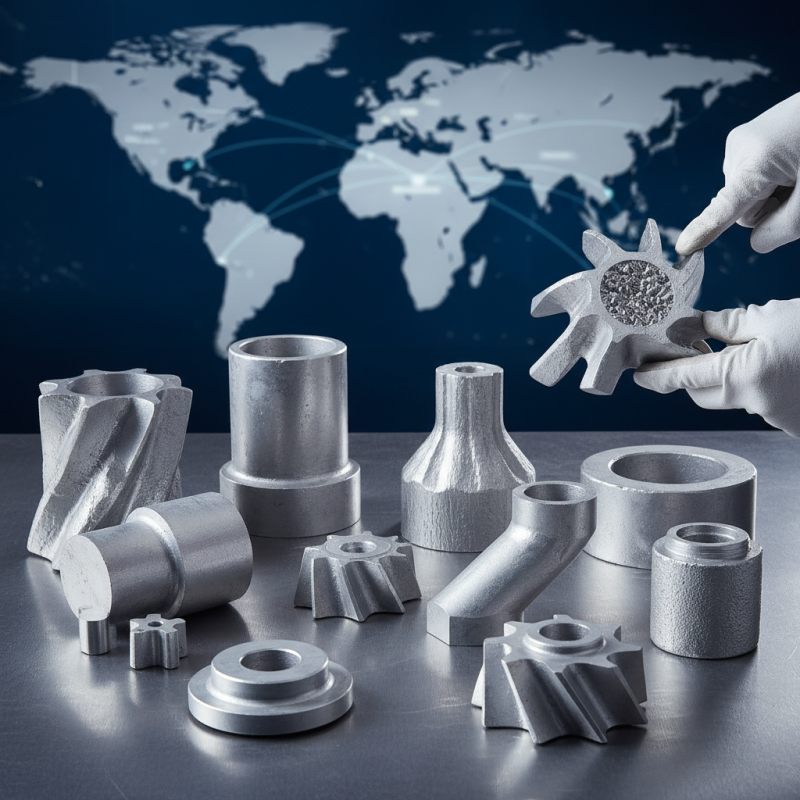
Nickel alloys play a crucial role in the casting industry due to their remarkable properties. These alloys are primarily composed of nickel, along with elements like chromium and molybdenum. These additions enhance their resistance to corrosion and heat. According to the Global Nickel Alloy Market report, the demand for nickel alloys is expected to grow at a CAGR of 5.2% through 2030. This increase highlights their growing significance in various sectors.
The importance of nickel alloys in casting cannot be overstated. They offer high strength and durability, essential for extreme environments. For example, in aerospace, parts made from nickel alloy castings withstand high temperatures and stress. Reports suggest that the aerospace sector accounts for nearly 38% of the nickel alloy market. However, sourcing high-quality nickel alloys can be challenging due to fluctuating raw material prices and supply chain issues.
Moreover, not all nickel alloy castings meet rigorous industry standards. Some manufacturers may prioritize cost over quality. This raises concerns regarding product reliability. It's vital for buyers to ensure that their suppliers adhere to established manufacturing guidelines. Proper research and vetting can mitigate risks and improve overall outcomes.
Key Properties of Nickel Alloy Castings for Industrial Applications
Nickel alloy castings are known for their exceptional properties. These castings are resistant to corrosion, high temperatures, and oxidation. They are widely used in various industrial applications, including aerospace, chemical processing, and marine environments. The versatility of nickel alloys makes them a popular choice among manufacturers.
Understanding the key properties of nickel alloy castings is crucial for optimal performance. These alloys exhibit enhanced mechanical strength and ductility, ensuring they can withstand demanding conditions. Their ability to resist pitting and crevice corrosion extends their lifespan in harsh environments. This reliability is essential in sectors where equipment failure can lead to significant losses.
Tip: When selecting nickel alloy castings, consider the specific environment they will be used in. Different alloys offer varying degrees of resistance based on the application. Evaluate your needs carefully to avoid costly mistakes.
While nickel alloys provide numerous benefits, they also present challenges. The casting process may lead to porosity or inclusions, affecting the final product's quality. Regular inspections and adherence to casting best practices are necessary to minimize these issues.
Tip: Collaborate with experienced professionals during the casting process. Their expertise can help identify potential problems early on, ensuring the integrity of your castings.
Top Applications of Nickel Alloy Castings in Global Markets
Nickel alloy castings are pivotal in various global markets due to their unique properties. These alloys exhibit remarkable corrosion resistance and high-temperature strength. This makes them suitable for sectors like aerospace, oil and gas, and power generation. In aerospace, these castings endure extreme conditions, ensuring reliability for critical components. Their ability to withstand high stress and temperature is crucial in jet engines and gas turbines.
In the oil and gas industry, nickel alloys are used in drilling equipment and valves. Their durability prevents failures in harsh environments. These alloys perform well in both offshore and onshore applications. However, sourcing quality castings can prove challenging. Not all manufacturers adhere to the highest standards. This inconsistency can affect performance and safety in essential applications.
Power generation is another significant field. Nickel alloy castings contribute to turbine blades and heat exchangers, where efficiency is vital. Their performance directly influences energy output. However, not all nickel alloys are created equal. Buyers must critically evaluate suppliers to ensure product integrity. The selection process requires diligence to avoid costly mistakes. Careful consideration and research are key.
Factors Influencing the Choice of Nickel Alloy Castings
When selecting nickel alloy castings, several factors come into play. Corrosion resistance is crucial. Nickel alloys excel in harsh environments, offering durability. Consider the intended application. Aerospace and marine industries benefit significantly from these materials. The environment can greatly influence performance. High temperatures require alloys designed to withstand thermal stress.
Tips: Always review project specifications before making a decision. Seek out suppliers with a proven track record in nickel alloys. They should understand your needs well.
Another consideration is machinability. Some nickel alloys are easier to work with than others. This can affect production time and cost. Knowing how to process these materials is vital. Not all alloys are created equal. Testing prototypes can reveal potential shortcomings. Adjustments during the design phase can save time later.
Tips: Collaborate with skilled engineers during the design process. They can provide insights on material selection. Sharing your concerns early can lead to better outcomes.
Best Nickel Alloy Castings for Global Buyers
This chart represents the global demand for various nickel alloy castings. Inconel 718 shows the highest demand, followed by Inconel 625 and Hastelloy C-276. Understanding the market demand can help global buyers make informed decisions when sourcing nickel alloy castings.
Leading Manufacturers and Suppliers of Nickel Alloy Castings Worldwide
Nickel alloy castings are essential in various industries, including aerospace, automotive, and chemical processing. The demand for these castings has surged globally due to their excellent mechanical properties and resistance to corrosion and high temperatures. A recent industry report revealed that the global nickel alloy market is expected to grow significantly, reaching a valuation of over $25 billion by 2026.
Leading manufacturers specialize in producing high-quality nickel alloy castings. They utilize cutting-edge technologies and advanced casting methods to ensure precision and durability. It is crucial to select suppliers with a proven track record. The best producers adhere to strict international standards, ensuring reliable performance in critical applications. Many companies conduct extensive testing to verify the performance of their alloys.
However, challenges exist within this sector. Sourcing high-grade nickel remains an issue. Fluctuating raw material prices can affect production costs and lead times. Companies need to remain agile and innovative to navigate these market dynamics. Collaboration between manufacturers and suppliers is essential to drive advancements in nickel alloy casting technologies. Addressing these challenges will help meet the increasing demands of global buyers effectively.
