2026 Best Steel Channel Uses and Buying Guide for Global Buyers
When considering construction and manufacturing, the significance of Steel Channel cannot be understated. As a versatile and robust structural element, Steel Channels serve various applications across industries. From support beams in buildings to frames for machinery, these channels offer strength and durability.
Understanding the best uses of Steel Channel is essential for global buyers. The diverse types and grades available can make purchasing decisions challenging. Buyers must consider factors such as material properties, dimensions, and coatings. Each application may require specific characteristics to ensure safety and performance.
This guide aims to navigate through the complexities of Steel Channel options. We will explore the best uses, practical applications, and buying considerations. As buyers, we must remain critical of our choices. Recognizing the varying quality standards and suppliers is key to ensuring reliable purchases. The goal is to empower informed decisions that meet project requirements efficiently.
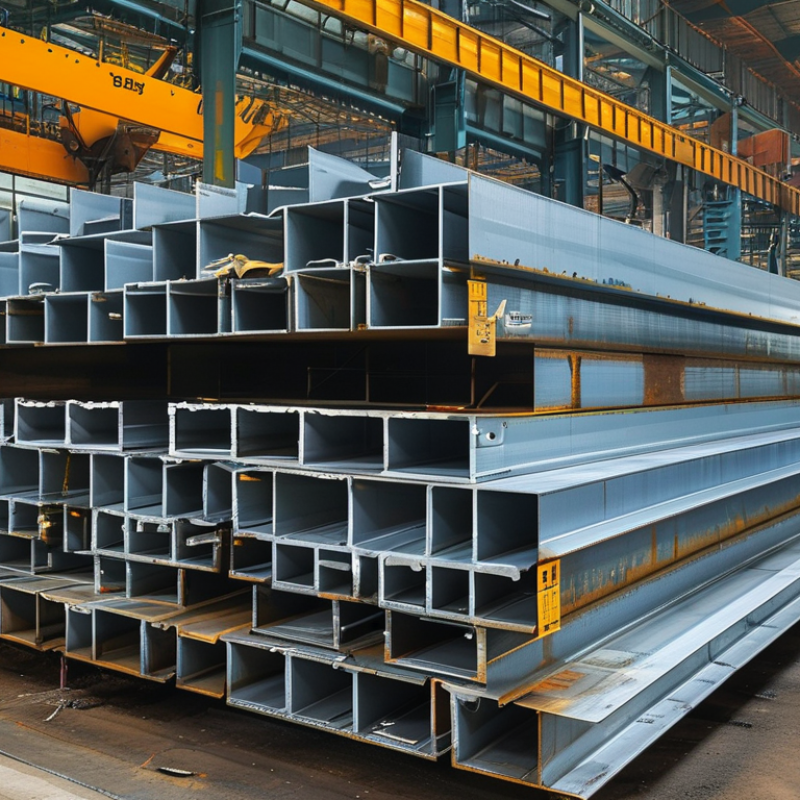
2026 Overview of Steel Channel: Types and Structural Properties
Steel channels are versatile structural elements used in various industries. They come in different types, including U-shaped and C-shaped channels. Each type serves specific needs based on load bearing and design requirements. Understanding these differences is crucial when selecting the right type for your project.
The structural properties of steel channels include strength, ductility, and resistance to bending. These attributes make them ideal for support beams, frames, and bracing. However, not all channels are created equal. Some may display defects or inconsistencies in shape. This variability can impact performance and safety.
Choosing the right steel channel requires careful consideration. Not only should you evaluate the size and shape, but also the material quality. Some channels may corrode more easily, which affects longevity. It’s essential to assess the environment where the channel will be used. This reflection can lead to better decision-making and project outcomes.
2026 Best Steel Channel Uses and Buying Guide for Global Buyers
| Type | Dimensions (mm) | Weight (kg/m) | Common Uses | Material Grades |
| U Channel | 100 x 50 | 9.2 | Construction, Framing | S235, S355 |
| C Channel | 75 x 40 | 5.6 | Support Structures | SS400, ASTM A36 |
| Lipped Channel | 150 x 75 | 13.8 | Railings, Beams | Mild Steel, Q235 |
| Z Channel | 90 x 40 | 6.3 | Roofing, Supports | Q345, Q295 |
| Stainless Steel Channel | 50 x 25 | 3.5 | Marine, Corrosion-Resistant Applications | 304, 316 |
Key Applications of Steel Channels in Global Industries
Steel channels play a vital role across various global industries. Commonly used in construction, they provide support and stability for structures. According to a report by the World Steel Association, the demand for steel channels in construction has increased by 5% annually. This surge indicates their importance in modern infrastructure.
In manufacturing, steel channels serve as frames and supports for machinery. They help maintain alignment and improve efficiency. The automotive sector heavily relies on these channels for vehicle production. The Global Manufacturing Report 2023 notes that adopting steel channels can raise production efficiency by approximately 3%.
**Tip:** When selecting steel channels, consider the load-bearing capacity. Ensure they meet the specifications of your project.
Moreover, the energy industry uses steel channels in the construction of pipelines and equipment bases. A recent study highlighted that these channels can withstand harsh environmental conditions. They offer durability and safety for long-term operations.
**Tip:** Evaluate the environmental factors affecting your project. Understanding these conditions will guide your choice of steel channels.
Key Applications of Steel Channels in Global Industries
This chart illustrates the key applications of steel channels across various global industries, highlighting their significant roles and contributions.
Market Trends: Steel Channel Demand and Pricing Insights for 2026
The steel channel market is poised for significant changes in 2026. Demand for steel channels is driven by various sectors, including construction, automotive, and manufacturing. As global infrastructure projects ramp up, these channels will see increased usage. Steel channels offer strength and versatility, making them a vital choice for many applications. However, fluctuating prices will challenge buyers seeking to manage budgets effectively.
As countries strive for sustainability, recycled steel is gaining traction. This change might affect pricing strategies. Buyers should stay updated on raw material costs and market dynamics. In addition, geopolitical tensions can introduce supply chain uncertainties. These factors may lead to unexpected price hikes. Anticipating market shifts will equip buyers with the knowledge to make informed decisions.
It's crucial to recognize that market predictions can be imperfect. Emotional reactions to price changes can cloud judgment. Buyers need to adopt a rational approach. Researching multiple suppliers and understanding their pricing strategies will enhance decision-making. Awareness of these trends can help navigate the steel channel market more effectively.
Buying Considerations: Quality Standards and Specifications for Steel Channels
When selecting the right steel channels, quality standards are crucial. Different industries have unique specifications. Understanding these standards can prevent costly mistakes. For structural applications, look for ASTM or EN standards. This ensures sufficient strength and durability for construction projects.
Moreover, consider the channel's size and thickness. The dimensions should match your project requirements. In the selection process, it is essential to evaluate the steel grade as well. Some grades offer better corrosion resistance. However, they may come at a higher cost. Weighing durability against budget constraints can be challenging.
Another critical aspect is the finish of the steel channel. A smooth surface can improve weldability. Rough finishes might require extra processing. Take note of shipping and handling as well. Improper transportation can lead to wear and tear. Always verify the delivery conditions to maintain the quality of your purchase.
Sustainability in Steel Channel Production: Recyclability and Environmental Impact
Sustainability is a crucial aspect of steel channel production. Steel is one of the most recycled materials in the world. Approximately 80% of steel can be recycled without loss of quality. This process begins at the end of a product's life cycle but also during manufacturing. Recycled steel uses less energy than producing new steel. This significantly reduces carbon emissions. Many manufacturers aim for lower environmental footprints.
Environmental impact is a key concern in steel production. The extraction of raw materials often leads to habitat destruction. Moreover, traditional methods can release pollutants into the air and water. Yet, advancements in technology are improving the industry. Innovations such as electric arc furnaces emit fewer emissions. This approach supports cleaner production methods.
While progress is evident, challenges remain. Not all steel manufacturers prioritize sustainability. The gap between eco-friendly practices and traditional methods can be vast. Consumers must remain vigilant. Supporting companies that demonstrate true environmental commitment is essential. By making informed choices, buyers can encourage positive changes in the industry.
