Discover Exciting Plastic Manufacturing Jobs at Allied Plastics

What is Brass Die Casting and Why is it Important for Buyers?

Brass Die Casting is a crucial process in manufacturing that transforms molten brass into precise, durable components. Experts like John Smith, a renowned figure in the die casting industry, emphasize its significance: "Brass die casting ensures quality and functionality in every product." This method is essential for producing intricate parts with exceptional strength.

Buyers must understand the importance of brass die casting. It not only delivers durability but also enhances the aesthetic appeal of the final products. The versatility of brass makes it a popular choice for various applications, from automotive to electronics. Quality in these components often determines the overall performance of devices.

Many buyers overlook the complexities involved in the die casting process. Factors such as temperature control and mold design play a major role. A failure in one aspect can lead to defects, affecting product performance. Understanding the nuances of brass die casting helps buyers make informed decisions. This knowledge can lead to significant improvements in product reliability and longevity.
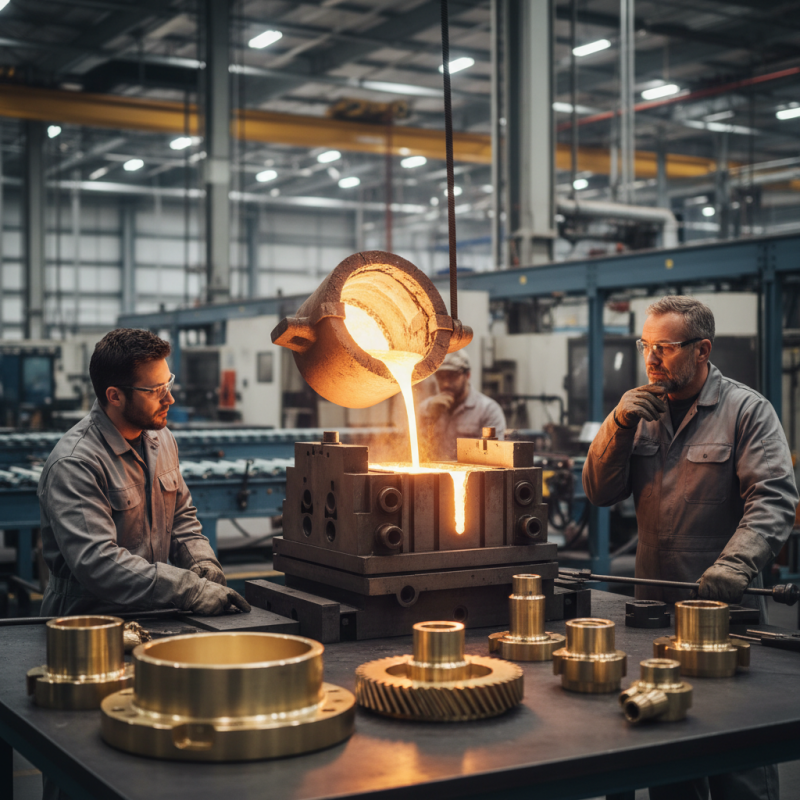
What is Brass Die Casting and Why is it Important for Buyers?

What is Brass Die Casting?

Brass die casting is a manufacturing process used to create precise and complex metal parts. In this method, molten brass is injected into a mold under high pressure. The result is a robust and durable product that meets exact specifications. This technique is favored for its efficiency and the quality of the finished items.

When considering brass die casting, it's essential to understand the significance of the materials used. Brass offers excellent corrosion resistance and can withstand high temperatures. Buyers should be mindful of the alloy composition since it affects the strength and finish of the final product. It's critical to select the right type of brass based on the intended application.

Tip: Always ask for samples before finalizing an order. This practice allows you to assess the quality of the casting.

Brass die casting also presents some challenges. The initial setup cost can be high, making it less feasible for small quantities. However, as production scales, the cost per unit decreases significantly. Careful consideration of volume versus cost is vital for buyers.

Tip: Regularly review and adjust your production plans. This approach helps in optimizing costs and adapting to market demands.

The Process of Brass Die Casting Explained

Brass die casting is a manufacturing process that yields precise and durable metal parts. It involves pouring molten brass into a mold under high pressure. This method allows for the creation of complex shapes with excellent surface finish. The efficiency of brass die casting often reduces the need for additional machining.

The process begins with the preparation of the brass alloy. Then, molten brass is injected into a carefully designed mold. Once cooled, the mold is opened, revealing the cast part. This method ensures uniformity, but some imperfections can occur. It's vital for buyers to understand these potential flaws, as they may affect the final product’s quality.

Quality control is crucial throughout the casting process. Regular inspections help in identifying defects early. Buyers should expect diligent communication from manufacturers regarding these checks. By understanding the intricacies of brass die casting, buyers can make informed decisions in their sourcing.

Advantages of Brass Die Casting for Manufacturers

Brass die casting offers several advantages that appeal to manufacturers. This method ensures precision in shaping intricate designs. It allows for the production of complex parts with high accuracy. Manufacturers appreciate the tight tolerances achievable through this process. This precision reduces the need for extensive post-casting machining. Thus, it saves both time and costs, making production more efficient.

Another key advantage is the durability of brass castings. Brass is known for its strength and corrosion resistance. This makes it ideal for various applications, including plumbing and electrical components. For manufacturers, this material choice translates to longer-lasting products. However, while brass die casting has many benefits, it can be more expensive than alternative materials. Manufacturers must weigh these costs against the advantages to make informed decisions.

The process also supports sustainability initiatives. Brass is recyclable, promoting an eco-friendly approach in manufacturing. However, not every facility is equipped for optimal recycling. Manufacturers should consider this aspect during production planning. In summary, brass die casting presents several benefits that manufacturers find valuable, but careful consideration is needed to maximize its potential.

What is Brass Die Casting and Why is it Important for Buyers? - Advantages of Brass Die Casting for Manufacturers

Aspect Details
Material Brass alloys, typically composed of copper and zinc.
Process Die casting involves forcing molten brass into a mold.
Advantages for Manufacturers High precision, excellent surface finish, and complex shapes.
Production Speed Rapid production cycle enables high-volume output.
Cost Efficiency Reduction in material waste and labor costs.
Common Applications Aerospace components, plumbing fixtures, and electrical connectors.
Sustainability Recyclability of brass materials contributes to eco-friendly practices.

Key Applications and Industries Utilizing Brass Die Casting

Brass die casting plays a crucial role in various industries. It is valued for its durability and appealing finish. Common applications include plumbing fixtures, automotive components, and electronics. These products utilize brass due to its excellent corrosion resistance and electrical conductivity.

In manufacturing, precision is key. Brass die casting ensures tight tolerances and intricate designs. This precision leads to fewer failures and higher customer satisfaction. Many designers prefer brass for its aesthetic qualities. It can be easily polished and plated, enhancing product appeal.

Tips: Choose suppliers with a proven track record. Reliability matters in die casting. Investigate their quality control processes. Ensure they adhere to industry standards. Considering multiple suppliers can help in making informed decisions. Seek feedback from peers who have used brass die casting. Their experiences can guide you to better options.

Key Applications of Brass Die Casting

Factors Buyers Should Consider When Purchasing Brass Die Cast Products

When purchasing brass die cast products, buyers need to consider several key factors. The quality of the brass material is crucial. High-quality brass ensures durability and resistance to corrosion. Inferior materials may lead to product failures over time.

Buyers should also evaluate the casting process. Different techniques can affect the precision and finish of the final product. Understanding these processes can help in making informed decisions. Additionally, the supplier's reputation matters. A reliable supplier often provides better support and ensures product consistency.

Cost is another factor to keep in mind. Lower prices may tempt buyers, but they could indicate lower quality. It's important to balance cost with quality. Always seek product samples before making large purchases. This step can reveal inconsistencies that might otherwise go unnoticed. Lastly, don't overlook the importance of technical support. Suppliers who offer guidance can help prevent potential issues long before they arise.