Why Choose Automatic Fire Shutter for Your Building Safety?
Building safety is a critical concern for architects and property owners. Fires can spread rapidly, causing devastating damage and loss of life. According to the National Fire Protection Association, there were over 1.3 million fires reported in the United States in 2020 alone. This alarming statistic highlights the need for effective fire prevention systems. An innovative solution gaining traction is the Automatic Fire Shutter.
Automatic Fire Shutters are designed to compartmentalize a building during a fire. They can close off areas to prevent smoke and flames from spreading. This concept is backed by research from the Fire Protection Research Foundation. Their studies show that properly installed fire shutters can reduce damage by up to 50%. Yet, many buildings still lack these essential features.
Neglecting to install an Automatic Fire Shutter can lead to severe consequences. Property damage escalates, insurance claims increase, and lives are put at risk. It raises questions about existing safety protocols in many buildings. Are we doing enough to protect ourselves? The answer may lie in reconsidering the safety measures we take. Embracing Automatic Fire Shutter technology is not just a choice; it is becoming a necessity for effective fire safety management.
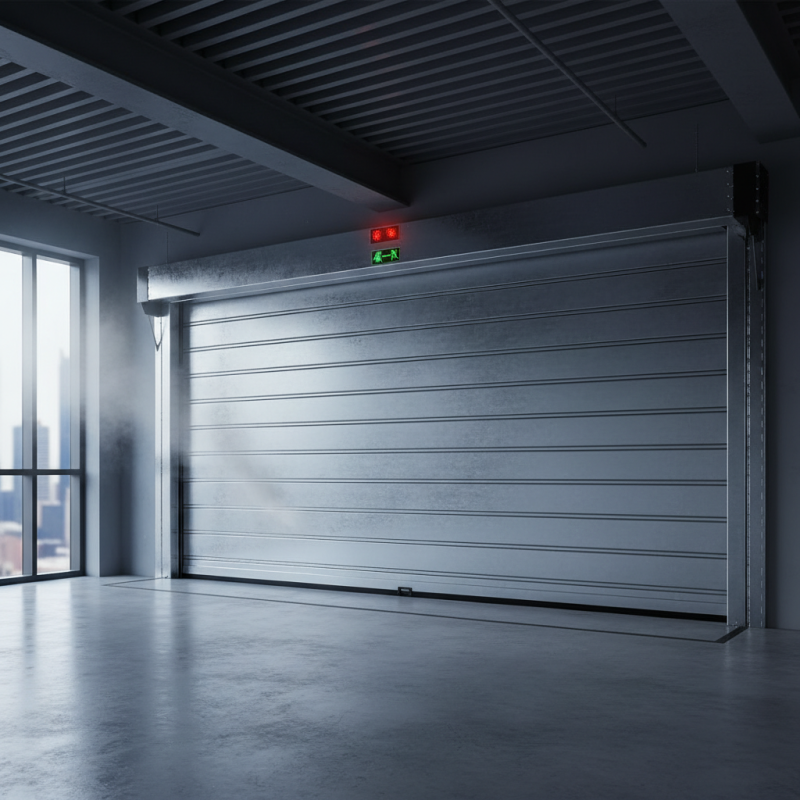
Benefits of Implementing Automatic Fire Shutters in Commercial Buildings
Automatic fire shutters provide crucial safety solutions for commercial buildings. These shutters act as barriers, containing fires and preventing smoke from spreading. By deploying them, property owners take a proactive step in safeguarding lives and assets. Traditional fire prevention systems often fall short, and that's where these shutters excel.
When considering installation, ensure proper sizing. Improperly sized shutters can lead to ineffective barriers. Regular maintenance is essential too. Neglecting this may compromise their functionality during emergencies. Test them frequently to ensure they operate smoothly.
Think about the noise levels. Some fire shutters can be loud when deployed. This might disrupt daily operations. Find a balance that ensures safety while minimizing disturbances. Consider the visual impact as well. Aesthetics can affect the overall building appeal. Striking the right balance is key.
Why Choose Automatic Fire Shutter for Your Building Safety? - Benefits of Implementing Automatic Fire Shutters in Commercial Buildings
| Benefit | Description | Implementation Cost | Maintenance Frequency |
| Fire Containment | Automatic fire shutters help in containing fire and smoke to a restricted area, preventing it from spreading. | $3,000 - $7,000 | Annually |
| Life Safety | Provides an additional layer of safety for occupants during a fire emergency. | Varies | Semi-annually |
| Insurance Premium Reduction | Buildings with fire shutters may qualify for lower insurance premiums due to reduced risk. | N/A | N/A |
| Code Compliance | Helps buildings meet local fire safety codes and regulations. | N/A | N/A |
| Remote Operation | Can be operated remotely, offering flexibility in emergency management. | $500 - $2,000 | As needed |
How Automatic Fire Shutters Enhance Life Safety Standards Compliance
Automatic fire shutters play a crucial role in enhancing life safety standards for buildings. These installations are designed to contain fires, limiting smoke and heat spread. They act as a barrier, allowing for safer evacuation. When properly integrated, they can redirect occupants away from danger zones. Well-functioning fire shutters can save lives.
One key aspect is regular maintenance. Regular checks ensure that the shutters are operational. Dust and debris can easily hinder their function. It's vital to establish a routine for inspections. Consider documenting each inspection and any repairs made. This helps in tracking the shutters' condition over time.
Incorporating automatic fire shutters offers flexibility. They can be programmed to respond automatically when alarms activate, reducing response time. However, it's essential to ensure that all staff are educated about their function. Misunderstanding can lead to panic when a fire occurs. Training sessions can address this gap, enhancing overall safety protocols.
Industry Statistics on Fire Incidents and the Role of Fire Shutters
Fire incidents remain a significant threat to buildings. According to the National Fire Protection Association (NFPA), U.S. fire departments responded to over 1.3 million fires in 2020 alone. These fires resulted in 3,500 civilian deaths and 15,200 injuries. The financial loss was estimated at $21 billion. The statistics highlight the urgency of implementing effective fire safety measures in buildings.
Automatic fire shutters play a crucial role in fire prevention. They can help contain fires, preventing them from spreading to other areas. Studies show that well-installed fire shutters can reduce fire spread by 30%. This can be life-saving in dense environments. However, improper installation or maintenance can compromise their effectiveness. Regular checks and updates are essential.
Tip: Regularly assess your fire safety systems. Ensure that automatic fire shutters are in top condition. They can make a critical difference in an emergency.
The rise of automatic fire shutters reflects their protective qualities. More businesses are choosing them for new constructions and renovations. However, awareness of their limitations is vital. Over-reliance on these systems can be dangerous. Always pair them with other safety protocols for the best results.
Tip: Train staff on fire safety protocols. Understanding how to use fire shutters correctly can enhance safety. Regular drills can prepare everyone for the unexpected.
Fire Incident Statistics and the Importance of Automatic Fire Shutters
Comparison of Manual vs. Automatic Fire Shutters: Effectiveness and Efficiency
When it comes to fire safety, the choice between manual and automatic fire shutters can be crucial. Manual shutters rely on human action. This can lead to delays during an emergency. On the other hand, automatic shutters activate immediately when smoke or heat is detected. Their speed can be a lifesaver in critical moments.
In terms of effectiveness, automatic fire shutters often outperform manual ones. They minimize the chance of human error. These systems work autonomously, offering a reliable line of defense. However, maintenance can be a concern. Regular checks are essential to ensure their functionality.
Efficiency is another key factor. Automatic systems can cover larger areas without additional effort. They can also be programmed to close at specific times. This versatility adds to their appeal. Yet, some buildings may struggle with installation costs. Planning for such systems should consider both short-term expenses and long-term safety benefits.
Installation and Maintenance Considerations for Fire Shutter Systems
When installing automatic fire shutters, details matter. A careful assessment of building layouts is essential. Each area has its unique requirements. High-traffic zones may need additional considerations to ensure smooth operation. Poor placement can lead to ineffective fire control.
Maintenance is another critical aspect. Regular inspections should be part of a safety plan. Components can wear down over time. It's easy to overlook them in busy environments. Creating a checklist for maintenance can help. Monitoring operational efficiency can prevent future issues. Sometimes, unexpected problems arise. Planning for these can save time and resources.
Educating staff on the system's functionality is vital. Misunderstandings can lead to improper use. Clear signage around controls can help. Some employees might forget basics under pressure. Regular training sessions can address this gap. Balancing prevention with preparedness is an ongoing challenge.
