How to Choose the Best Metal Saddle Ring for Your Needs?
Choosing the right metal saddle ring is crucial for various applications in construction and engineering. According to a recent industry report by the Metal Saddle Association, demand for metal saddle rings has surged by 30% over the past two years. This increase highlights the importance of selecting a product that fits your needs effectively.
Expert John Smith, a renowned metallurgist, emphasizes this point: "The quality of a metal saddle ring can significantly impact structural integrity." A reliable metal saddle ring ensures safety and efficiency in projects. With various materials and designs available, understanding your requirements is essential.
While many providers offer metal saddle rings, not all meet the highest standards. Assessing the manufacturing processes and material specifications can be challenging. It's vital to reflect on the specific characteristics that differentiate quality products. Balancing cost and performance requires careful consideration to make the right choice.
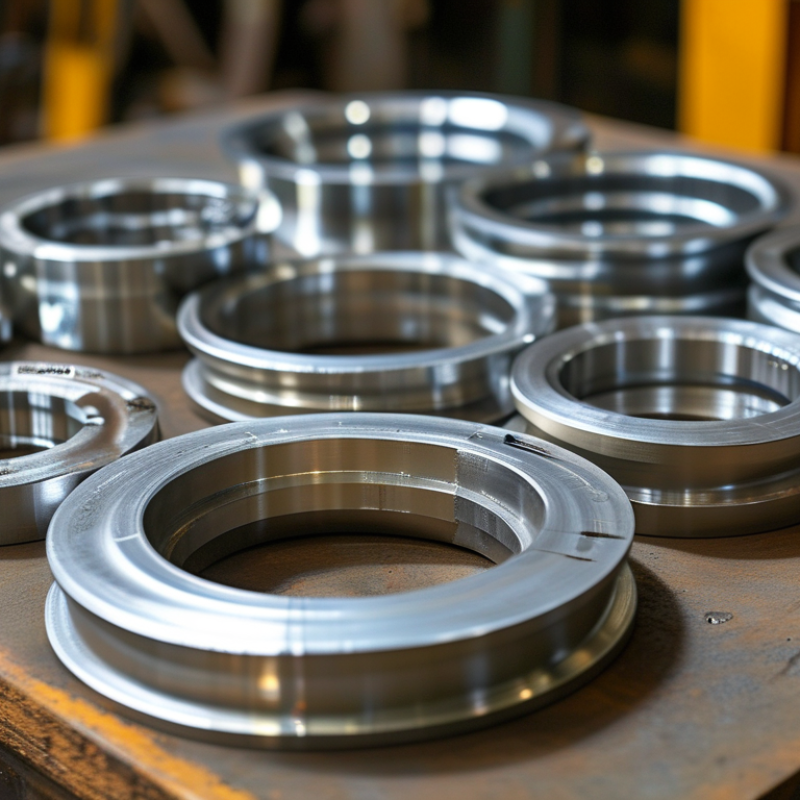
Understanding the Purpose and Benefits of Metal Saddle Rings
Metal saddle rings are essential for various applications in construction, equestrian gear, and sporting equipment. Their primary purpose is to provide reliable support and tensioning. Choosing the correct metal type improves durability and performance. According to industry studies, steel and aluminum are frequently preferred due to their strength-to-weight ratio.
The benefits of metal saddle rings are significant. They often exhibit corrosion resistance, especially when manufactured with coatings or alloys. Research indicates that well-designed saddle rings can handle pressures exceeding 1,000 psi in specific scenarios. These features make them critical in high-stress environments. However, not understanding the specific needs of your application can lead to suboptimal choices.
A common oversight is ignoring the environmental conditions where the rings will be used. For example, exposure to extreme temperatures can weaken certain metals. Additionally, the wrong ring size can affect the function. By reflecting on these details, you can improve your selection process. An informed decision ensures you get the best out of your metal saddle rings.
Identifying Different Types of Metal Saddle Rings Available
When selecting a metal saddle ring, understanding the available types is crucial. Various materials impart unique characteristics. Stainless steel rings offer durability and resistance to corrosion. They are ideal for outdoor conditions. On the other hand, brass rings provide an attractive golden hue. However, they may tarnish over time, requiring maintenance.
Aluminum saddle rings are lightweight and provide good strength. This makes them suitable for applications where weight is a concern. While they may not be as strong as steel, they do serve a purpose in less demanding applications. Additionally, bronze saddle rings combine a rich aesthetic with durability. They resist rust and corrosion but can be heavier than aluminum.
Consider the specific use of the saddle ring. Reflect on the environment where it will be used. For example, marine settings require more corrosion resistance. Ensure you also assess the load requirements. Remember, a ring that seems perfect on paper may not perform well in reality. Testing and gathering feedback from similar uses can enhance your decision-making process.
How to Choose the Best Metal Saddle Ring for Your Needs? - Identifying Different Types of Metal Saddle Rings Available
| Type of Metal | Corrosion Resistance | Durability Rating | Weight (grams) | Cost Range ($) |
| Stainless Steel | High | 8/10 | 50 | 10-20 |
| Aluminum | Medium | 7/10 | 30 | 15-25 |
| Titanium | Very High | 9/10 | 40 | 30-50 |
| Brass | Low | 5/10 | 70 | 5-15 |
| Carbon Steel | Medium | 6/10 | 90 | 8-18 |
Factors to Consider When Choosing a Metal Saddle Ring
Choosing the right metal saddle ring can significantly affect your project’s outcome. Several factors come into play when making your selection. The material quality is one such consideration. It should offer the durability and strength required for your specific use. Look for corrosion resistance, especially if exposure to moisture is likely.
The size and fit are crucial factors too. An improper size can lead to failure during use. Measure accurately and ensure that the saddle ring’s dimensions meet your specifications. A snug fit without being overly tight will help maintain safety and performance.
Tips: Always check for sharp edges or manufacturing defects. These can compromise the ring's integrity. Understand the load requirements; this will guide you in choosing a suitable ring. Lastly, consider the aesthetic aspects if the ring will be visible, as the finish and design can influence visual appeal. Be mindful; not all shiny surfaces indicate quality. Sometimes, a dull finish may be more reliable.
Evaluating the Quality and Durability of Metal Saddle Rings
When evaluating metal saddle rings, quality and durability are essential factors. A metal saddle ring should withstand heavy use and harsh conditions. Look for materials known for their strength, like stainless steel or titanium. These materials resist corrosion and wear, making them ideal for long-term use. It's crucial to inspect the craftsmanship as well. Rough edges or poor welding can compromise the ring's integrity.
Another important aspect is the design. A well-designed ring balances functionality with comfort. Some designs may look great but might not fit securely. Ensure that the ring matches your specific application. Read reviews or seek recommendations when in doubt.
Getting it right often requires careful consideration. Don't rush into a decision. Reflect on how you plan to use the ring. Take time to compare different options. Sometimes, cheaper rings may seem appealing but lack the durability needed. Aim for a balance between quality and price to ensure a reliable choice.
Tips for Proper Installation and Maintenance of Saddle Rings
When installing metal saddle rings, proper technique is crucial. Start by ensuring all surfaces are clean and free of rust. Dirt can compromise the integrity of the installation. Use a wire brush to prepare the area. Check if the saddle ring aligns with the desired configuration. Accurate placement prevents future issues.
Regular maintenance extends the life of saddle rings. Inspect them periodically for signs of wear or corrosion. Make it a routine. Apply a protective coating if necessary to prevent rust. A simple visual inspection can save time and money. Address any issues immediately to avoid larger problems later.
Remember, even the best installation can have issues. Be open to re-assessing your work. If a saddle ring fails, analyze the cause. This reflection will improve your skills. Experimenting with different techniques may also yield better results. Your journey in installation and maintenance is continuous.
