How to Choose the Best Poly Sheeting for Your Needs?
Choosing the right poly sheeting can be daunting. With various types and grades available, it’s essential to know your specific needs. Poly sheeting, also known as plastic sheeting, serves multiple purposes, from construction to agriculture.
Understanding your project will help clarify your requirements. For example, are you protecting surfaces or creating a greenhouse? Each application demands different thicknesses and properties. High-quality poly sheeting can withstand tears and punctures, but the right choice can feel overwhelming at times.
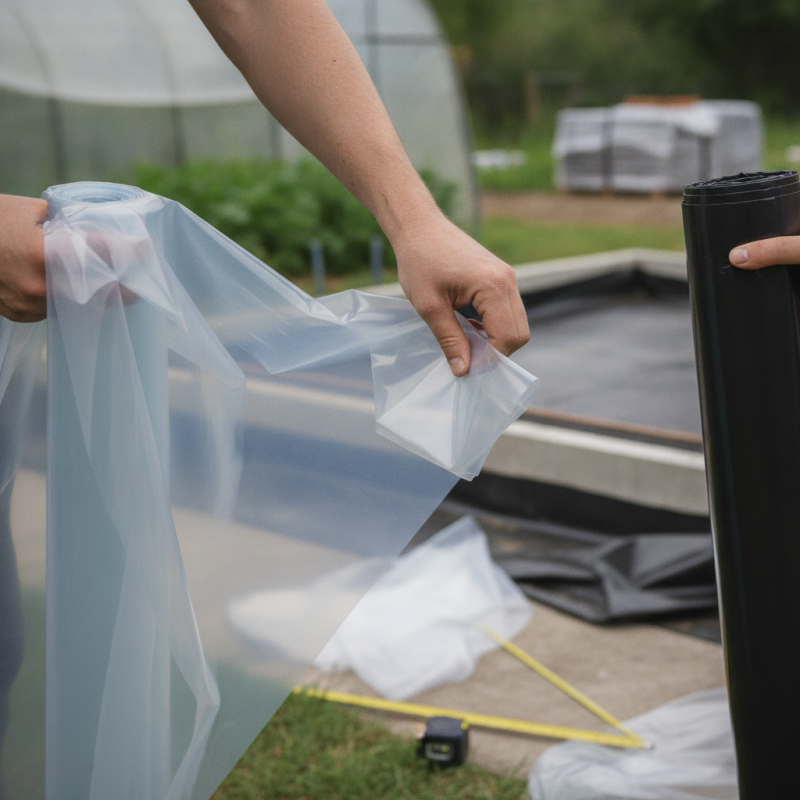
There are many factors to consider: UV resistance, color, and transparency. Clear sheeting allows light for plants, while black sheeting can block sunlight effectively. Take time to evaluate the materials and features that fit your project best. Mistakes are common in selecting poly sheeting, but each choice provides a chance to learn and adapt. Engaging with experts can also refine your decision-making process.
Understanding the Different Types of Poly Sheeting Available in the Market
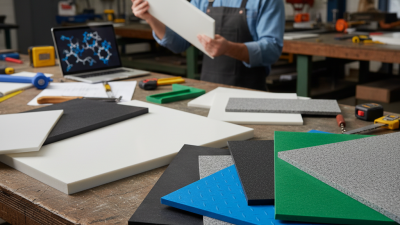
When selecting poly sheeting, understanding the various types available is crucial. Common options include low-density polyethylene (LDPE) and high-density polyethylene (HDPE). LDPE sheeting is flexible and good for general use. It is often used to protect surfaces during painting or construction. Conversely, HDPE is more robust, making it suitable for tougher applications like ground cover or vapor barriers.
Thickness is another important factor. Poly sheeting is available in gauges ranging from 2 mils to over 10 mils. Thicker sheets offer better durability. However, they can be harder to handle. Consider your project needs carefully. If you're using it for temporary protection, a thinner sheet may suffice. For long-term applications, investing in thicker sheeting could save time and money.
Pay attention to the UV resistance. Some poly sheets are treated for outdoor use. Others may degrade quickly when exposed to sunlight. A UV-resistant option will last longer. Think about your local conditions and how they might affect the sheeting's longevity. Reflect on your project requirements to make an informed choice.
Types of Poly Sheeting and Their Common Uses
Evaluating Thickness and Durability: Key Factors in Poly Sheeting Selection
Selecting the right poly sheeting involves careful consideration of
thickness and durability.
These two factors significantly impact performance and longevity. According to a recent report by the
Plastic Film Association, the thickness of poly sheeting usually ranges from
0.5 to 6 mils. Thicker options generally offer better durability. Choosing a thickness
suitable for your specific application is vital. For heavy-duty tasks,
6 mil sheeting provides superior strength and tear resistance.
Durability also hinges on the material composition. High-density polyethylene
(HDPE) and low-density polyethylene (LDPE) are common choices. HDPE solutions are typically more durable
and resistant to punctures. Conversely, LDPE is more flexible. Understanding this distinction is essential. For construction
projects, HDPE's robustness might be necessary, while gardening applications might benefit from the flexibility of LDPE.
It's crucial to consider environmental factors, too. UV resistance is often
overlooked but can extend the life of your poly sheeting. A report by the
Environmental Protection Agency indicates that UV-treated products can resist degradation
for up to four times longer than untreated options. Reflecting on these aspects will guide you
in making an informed decision that aligns with your specific needs.
The Role of UV Stabilization in Extending Poly Sheeting Lifespan
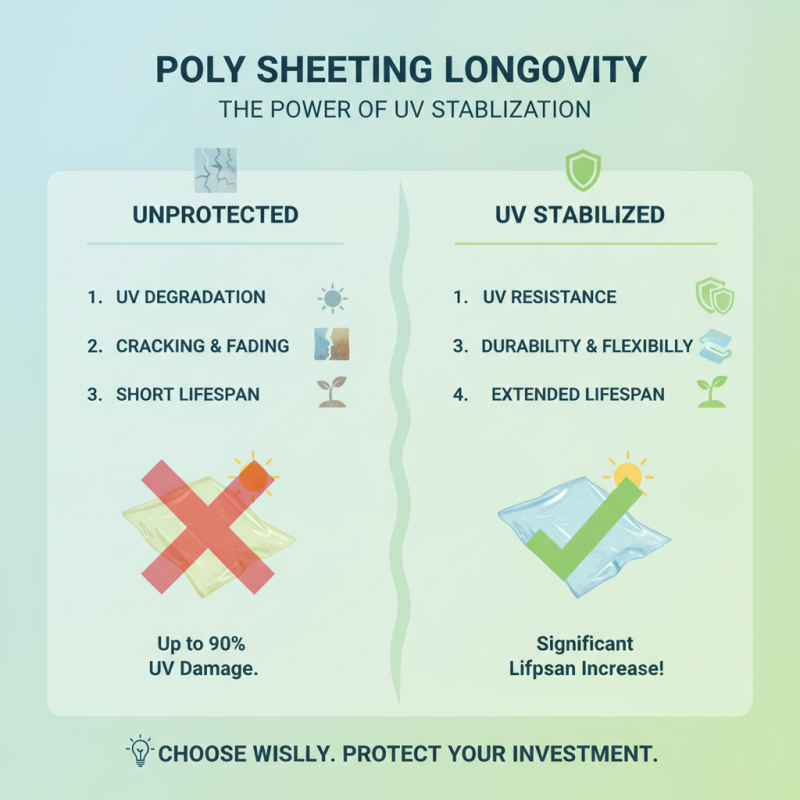
When selecting poly sheeting, UV stabilization is crucial for longevity. It protects against harmful ultraviolet rays, which can degrade materials. According to industry studies, up to 90% of the sun's UV rays can affect unprotected plastic sheeting. This degradation leads to cracking, fading, and reduced pliability. Choosing UV-stabilized sheeting can significantly extend its lifespan.
Furthermore, the right percentage of UV stabilizers can make a considerable difference. Research indicates that sheets with at least 2% UV stabilizers show improved durability. These additives absorb or reflect UV radiation, minimizing damage. Yet, it is vital to consider the environment where the sheeting will be used. Factors such as sunlight intensity and exposure duration can impact the effectiveness of UV stabilization.
Not all poly sheeting is created equal. Some may not effectively resist UV damage despite claims. Testing methods vary across manufacturers, leaving room for doubt. It’s essential to verify certifications and seek reliable data before making a selection. Not every project demands the highest level of UV protection, but understanding the requirements adds value. Educating oneself about these aspects can prevent future complications and promote better choices.
Choosing the Right Poly Sheeting for Specific Applications: Agriculture vs. Construction
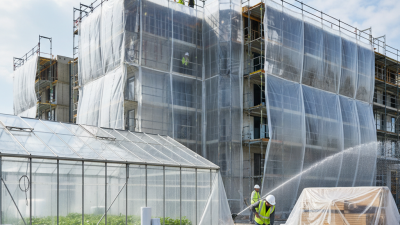
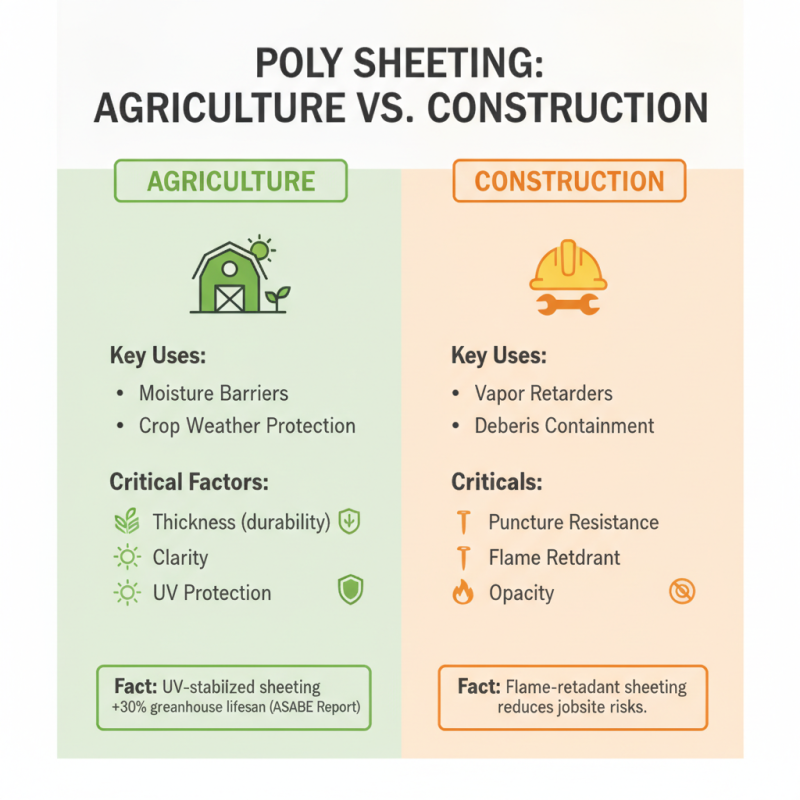
Choosing the right poly sheeting greatly impacts your project's success. In agriculture, poly sheeting often serves as moisture barriers and weather protection for crops. According to a report by the American Society of Agricultural and Biological Engineers, using UV-stabilized poly sheeting can extend the lifespan of your greenhouse structures by over 30%. Farmers must consider thickness, clarity, and UV protection when selecting sheeting for growing conditions.
In construction, poly sheeting acts as a protective covering for surfaces. It's critical for moisture control and preventing dust contamination. The National Association of Home Builders highlights that proper moisture management can reduce mold risk by 80%. Builders should select heavy-duty, tear-resistant options for durable applications. However, one common oversight can occur; overlooking the specific needs for air permeability might lead to ineffective installation.
Understanding the key differences in use between agriculture and construction is essential. Farmers often prioritize flexibility and sunlight transmission. In contrast, construction workers may emphasize durability and moisture resistance. Every project requires tailored solutions, and neglecting these details can compromise overall effectiveness. Taking the time to evaluate needs ensures the best fit, whether for crops or buildings.
Environmental Considerations: Recycling and Sustainability of Poly Sheeting Options
When selecting poly sheeting, consider the environmental impact.
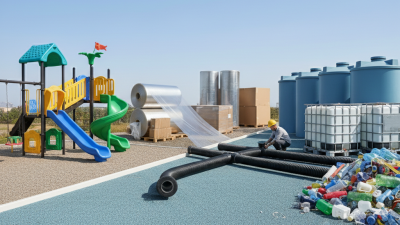
Polyethylene, commonly used in construction and agriculture, is often seen as a single-use material. However, not all poly sheeting options are equal. Some manufacturers offer recycled options or products that can be recycled after use.
This choice can significantly reduce waste.
Many users overlook the potential for recycling. If you choose poly sheeting, check for symbols indicating recyclability. Many communities have specific guidelines for plastic recycling, which can be complicated. Always consult your local recycling centers to understand what is accepted. Some industrial-grade sheeting may not fit into traditional recycling streams, leading to larger environmental footprints.
Sustainability also involves evaluating the lifecycle of the product. Can it be reused? Will it decompose in a landfill?
These questions matter. While poly sheeting offers many advantages, its long-term effects require consideration. Choosing responsibly sourced materials can help in minimizing the negative impact.
Aim for transparency and seek information before making choices.