Why Choose a Prefab Container House for Your Next Home?
In recent years, the popularity of the Prefab Container House has surged. According to a report by Grand View Research, the global prefab housing market is projected to reach $141 billion by 2026, highlighting a significant shift in consumer preferences. This growth reflects the demand for affordable and flexible housing solutions. Experts like Dr. Emily Tran, a leading voice in sustainable architecture, state, "Prefab Container Houses provide innovative answers to modern housing challenges."
These homes offer various benefits, including speedy construction and lower costs. However, there are issues to consider. Not all prefab designs suit every environment. Climate challenges and zoning laws can complicate installation. Therefore, buyers should research local regulations before investing in a Prefab Container House. The charm of customization is appealing, but potential homeowners need to weigh all factors carefully.
Moreover, while the aesthetic can be modern and sleek, not everyone is accustomed to container living. Some may find it less spacious than traditional homes. As the market evolves, it’s vital to balance trends with practical living needs. Ultimately, a Prefab Container House could be the right choice for many, but it requires thoughtful consideration.
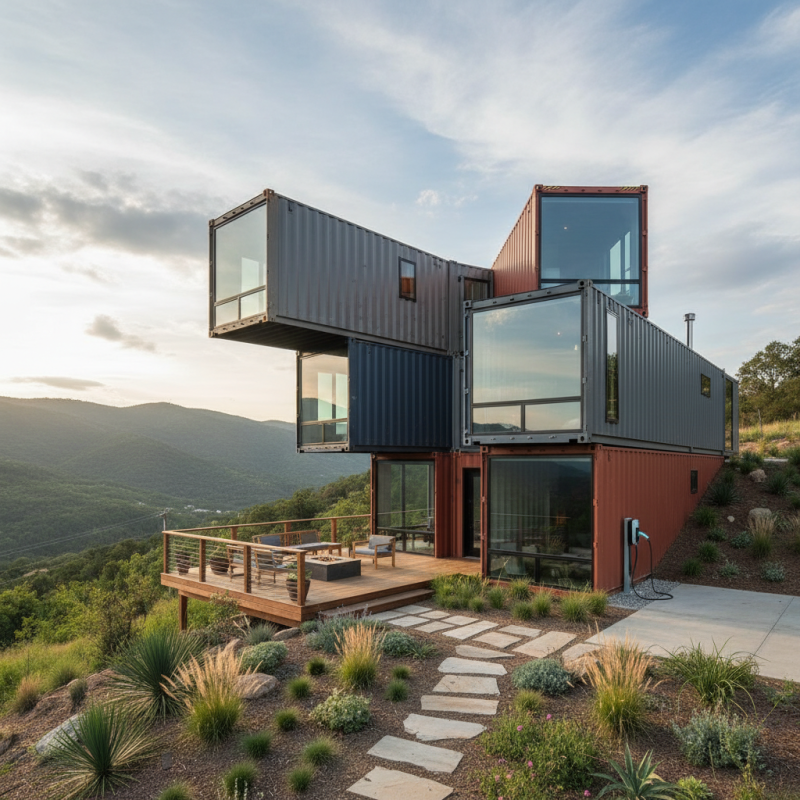
Benefits of Prefab Container Houses for Sustainable Living
Prefab container houses are becoming popular for sustainable living. They offer an innovative solution to housing shortages. These structures are often made from recycled shipping containers, reducing waste in landfills. They are surprisingly durable and can withstand harsh weather conditions. Their design allows for efficient use of space.
Living in a container house can lead to a simpler lifestyle. You might find yourself being more mindful of consumption. The minimalist aspect of these homes encourages sustainable practices. However, some may struggle with limited space. It requires careful planning to ensure comfort. Finding the right layout can be challenging but rewarding.
These homes are energy-efficient. They can be equipped with solar panels or green roofs. Yet, the initial setup can be high. It demands investment and might deter some prospective buyers. Each container home tells a unique story, and embracing imperfections can be part of the charm. Reducing your carbon footprint becomes a tangible goal with this housing option.
Why Choose a Prefab Container House for Your Next Home? - Benefits of Prefab Container Houses for Sustainable Living
| Feature | Description | Sustainability Aspect |
| Cost Efficiency | Lower initial costs compared to traditional homes. | Reduces financial waste and resource consumption. |
| Speed of Construction | Quick assembly allows for faster move-in times. | Minimizes environmental disruption during construction. |
| Mobility | Can be moved and relocated easily. | Promotes adaptive reuse of spaces. |
| Durability | Made from strong materials, resistant to various weather conditions. | Long lifespan reduces waste generation. |
| Eco-Friendly Options | Available materials include recycled and sustainable resources. | Lowers carbon footprint and promotes recycling. |
Cost-Effectiveness: Analyzing the Financial Advantages of Prefab Homes
The growing popularity of prefab container houses highlights their financial advantages. A recent report by the Modular Building Institute indicates that prefab homes can be up to 20% cheaper to build than traditional homes. This cost-effectiveness stems from reduced labor expenses and streamlined construction processes.
In addition to initial savings, prefab homes often accrue lower utility costs. According to the U.S. Department of Energy, these homes are designed for better insulation, leading to energy savings of up to 30%. This is vital for long-term affordability. However, some challenges exist. Land costs and zoning regulations can influence overall expenses. Buyers must research local policies to avoid unforeseen financial burdens.
Insurance and financing options can also vary. Some buyers report difficulties in obtaining favorable loan terms for prefab homes. Awareness of these factors is crucial. Prefab houses offer distinct financial upsides but come with considerations that require careful thought.
Cost-Effectiveness of Prefab Container Houses
Design Flexibility: Customization Options for Container Home Owners
Container homes are gaining popularity for their unique design flexibility. Owners can customize layouts, colors, and finishes according to personal style. Want an open kitchen? You can create that. Interested in large windows? It’s your choice. The modular nature of container houses allows for reconfiguration too. You might realize later that you need more space, and that’s possible.
Many individuals overlook practical aspects during customization. The placement of utilities, for instance, is crucial but can be forgotten. Think about insulation levels and energy efficiency. Messing this up can lead to higher costs down the road. It’s essential to research these details. Also, consider outdoor spaces and how they integrate with the container design. A simple deck or porch can enhance usability but requires proper planning.
While design freedom is exciting, it comes with challenges. There’s a risk of over-complicating designs. Too many features might clutter the environment. It's best to focus on core needs first. Balance aesthetics with functionality for a viable outcome. Remember, a prefab container house should be a comfortable home, but not a burden.
Durability and Maintenance: Longevity of Container House Structures
Prefab container houses are gaining popularity due to their robust durability. Constructed from steel, these structures can withstand harsh weather conditions. A study by the International Journal of Steel Structures indicates that container homes can last up to 50 years with proper maintenance. This longevity makes them a cost-effective choice for homeowners.
Maintenance is crucial for maximizing the lifespan of a container home. Regular inspections are necessary to prevent rust and corrosion. A common tip is to repaint the exterior every 5 to 10 years. This simple step can protect your investment for decades. Additionally, ensure proper drainage around the foundation to avoid water damage.
Container houses can be modified easily, but thoughtful planning is essential. Some may overlook insulation needs in colder climates. Proper insulation is key to energy efficiency. Consider using eco-friendly materials to enhance sustainability. While costs may vary, investing in quality insulation will pay off in reduced energy bills.
