2026 How to Choose Aliphatic Polyurethane Paint for Your Projects?
Choosing the right finish for your project can greatly impact its durability and aesthetics. Aliphatic Polyurethane Paint stands out as a versatile option. This type of paint is known for its excellent resistance to UV rays and weathering. It retains its gloss, making it ideal for outdoor applications.
When selecting Aliphatic Polyurethane Paint, consider your project's specific needs. Reflect on the surface type and environmental conditions. Some users may overlook these factors, leading to unsatisfactory results. Proper preparation and application are crucial for achieving the best performance.
This guide aims to provide insights into choosing Aliphatic Polyurethane Paint effectively. Professionals often recommend testing small areas before full application. Mistakes can happen. Yet, learning from these experiences can enhance future choices. Trust in quality products and informed decisions will lead to successful outcomes.
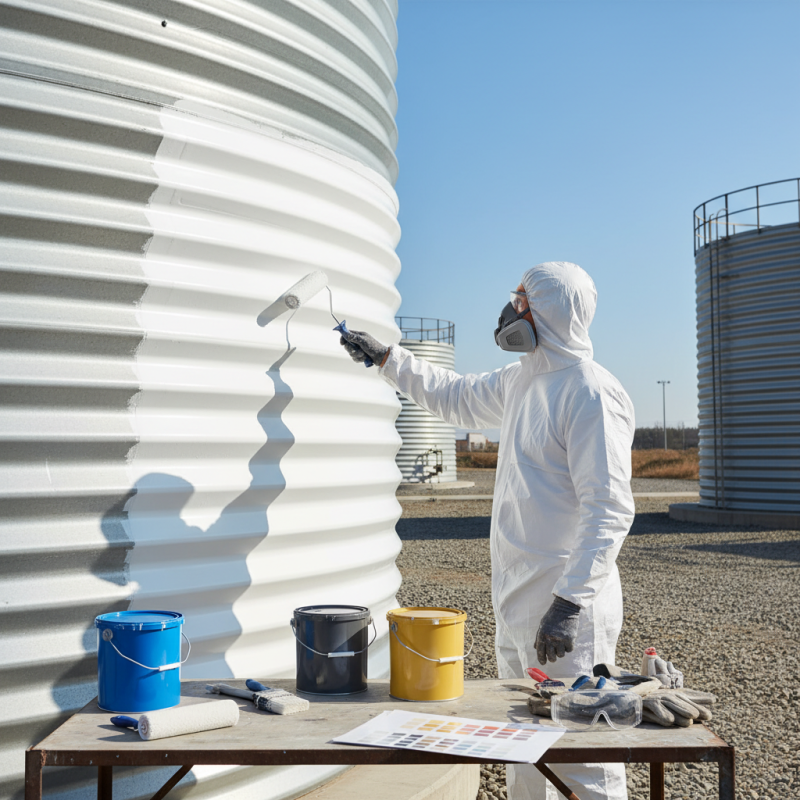
Understanding Aliphatic Polyurethane Paint and Its Characteristics
Aliphatic polyurethane paint is gaining popularity in various industries, thanks to its remarkable properties. This type of paint shows excellent resistance to UV light and weathering, making it ideal for outdoor applications. According to industry reports, aliphatic polyurethane products outperform standard paints in longevity. This durability ensures that the color remains vibrant, reducing the need for frequent repaints.
One key characteristic of aliphatic polyurethane is its flexibility. This means it can handle movement and expansion without cracking. For projects requiring a robust finish, this feature is vital. Additionally, these paints have quick-drying times, allowing for faster project completion. Reports indicate that these paints can dry within hours, which supports efficient workflow in both commercial and residential settings.
Tips: Always test a small area before full application. This practice helps identify potential issues such as adhesion and color consistency. Consider the environment where the paint will be applied. Humidity and temperature can affect drying times and overall performance.
Always ensure proper ventilation during application. This reduces your exposure to fumes, which can be harmful. While the advantages are compelling, it’s crucial to acknowledge that proper surface preparation is essential. Skipping this step might lead to uneven finishes or reduced lifespan of the paint. Quality results stem from attention to detail.
Key Performance Indicators for Aliphatic Polyurethane Paint Selection
Selecting the right aliphatic polyurethane paint involves understanding its key performance indicators. These include durability, chemical resistance, and flexibility. According to a 2022 study by the Coatings Research Institute, aliphatic polyurethane paints exhibit superior UV resistance compared to other types. This makes them ideal for outdoor applications where sunlight exposure is extensive. The chemical resistance of these paints also allows them to withstand harsh cleaning agents, meaning they stay intact longer in demanding environments.
When evaluating potential options, consider the gloss level and texture. High gloss can enhance aesthetics but may show imperfections easily. On the other hand, a matte finish can hide surface flaws but might not offer the same level of durability. Always check for compliance with environmental regulations. A recent report stated that up to 30% of paints on the market do not meet current VOC standards. This information is critical for maintaining a healthy environment during your project.
Tips: Always conduct a small test application before proceeding. This can save time and resources if the paint does not perform as expected. Additionally, pay attention to the manufacturer's specifications about application methods and drying times. Misjudging these can lead to unsatisfactory results. With careful consideration, you can choose a paint that truly meets your project needs.
Comparative Analysis of Aliphatic vs. Aromatic Polyurethane Paints
When it comes to choosing the right polyurethane paint, understanding the difference between aliphatic and aromatic options is crucial. Aliphatic polyurethane paints are known for their excellent UV resistance. This quality makes them suitable for outdoor applications. They maintain color stability over time, providing a durable finish that resists yellowing.
On the other hand, aromatic polyurethane paints are often more cost-effective. They provide good adhesion and chemical resistance. However, they tend to degrade faster when exposed to sunlight. This degradation can lead to color fading and reduced performance in the long run. Many users may overlook these differences, leading to dissatisfaction with project outcomes.
It's vital to assess your project's specific needs before making a choice. Factors like location, exposure to elements, and aesthetic preferences should guide your decision. Understanding the trade-offs between aliphatic and aromatic paints allows for informed decisions. This reflection on material properties can help avoid potential pitfalls in painting projects.
Application Techniques for Optimal Performance of Aliphatic Paint
When applying aliphatic polyurethane paint, surface preparation is crucial. Start by cleaning the surface thoroughly. Remove dust, grease, and old paint. Use a suitable cleaner for the material. Sanding may also be necessary for better adhesion. This step enhances the paint’s bond, leading to a smoother finish.
Next, consider the application method. Brush and roller are common tools, but spray application can provide a finer finish. Spraying allows for even coverage, especially on intricate surfaces. Pay attention to the weather conditions. Avoid applying paint in high humidity or extreme temperatures. These factors can affect drying times and the final appearance.
After application, inspect for imperfections. You might find uneven spots or bubbles. Sand these areas lightly before applying additional coats. Patience is essential. Allow each layer to dry completely. This prevents issues later on. Proper techniques lead to a more durable and visually appealing result.
2026 Aliphatic Polyurethane Paint Application Techniques
Industry Standards and Certifications for Aliphatic Polyurethane Products
Choosing the right aliphatic polyurethane paint for your projects involves understanding industry standards and certifications. Aliphatic polyurethanes are known for their durability and weather resistance. However, not all products meet stringent industry benchmarks. Certification by organizations like ASTM International is crucial. ASTM standards ensure the paint's performance, durability, and environmental safety.
Recent data from the Paint and Coatings Industry Association highlights that about 20% of aliphatic polyurethane paints do not meet these standards. This raises concerns for quality assurance. Without proper certification, projects risk premature wear and environmental harm. Look for certifications such as the Greenguard Gold, which indicates low chemical emissions. This can ensure better indoor air quality.
Adding to this, consider the impact of poor choices. A non-certified product can lead to increased maintenance costs. Projects may require reapplication sooner than expected. Feedback from professionals often indicates that many products that seem appealing initially fall short in the long run. Paying attention to the certifications can save time and resources. Prioritize reliability and compliance to ensure the best outcomes for your projects.
