How to Choose the Best HDPE Plastic Sheets for Your Needs?
Choosing the right HDPE plastic sheets for your project can be daunting. The variety of options available often leads to confusion. HDPE, or high-density polyethylene, is known for its strength and durability. It is widely used across various industries, making it a top choice for many applications.
When selecting HDPE plastic sheets, consider the specific requirements of your project. Factors such as thickness, color, and surface finish can significantly impact performance. Professionals often recommend assessing your project's needs before making a decision. Experience has shown that a well-informed choice can lead to better outcomes.
It is essential to understand the suppliers’ reputation too. Reliable dealers often provide quality materials, ensuring that you get the best value. However, not every supplier meets these standards. Reflecting on past experiences can help in identifying trustworthy sources for HDPE plastic sheets. Therefore, take time to research and gather information to make an informed choice.
Understanding HDPE Plastic Sheets and Their Applications
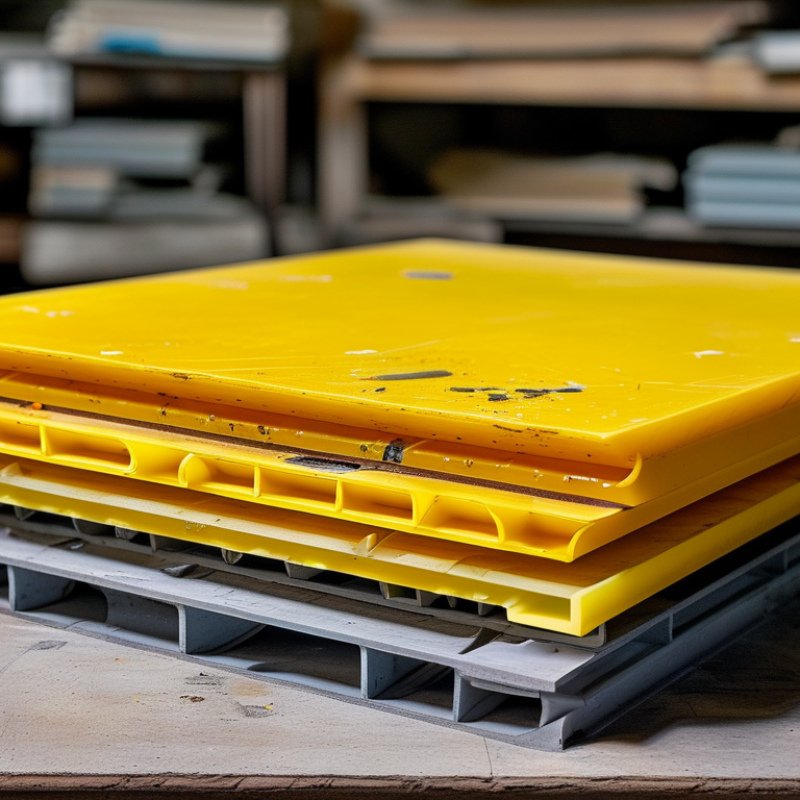
HDPE plastic sheets are versatile materials with a wide range of applications. Known for their durability and resistance to chemicals, they are commonly used in industrial settings. You might find them in road signage, packaging, and even in outdoor furniture. Their ability to withstand UV rays makes them ideal for outdoor use.
When selecting HDPE sheets, it’s essential to consider their thickness and density. Thicker sheets tend to be stronger but can be heavier and more challenging to handle. Conversely, thinner sheets are lighter and easier to work with but may not be suitable for heavy-duty applications. Not all HDPE sheets are created equal; minor variations can significantly impact performance in specific environments.
Understanding the specific needs of your project is crucial. Will the sheet be exposed to high temperatures? Is it essential for it to be lightweight? Reflecting on these questions can help clarify your choice. Think about the long-term implications of your selection. Sometimes, the most economical option may fall short in durability or resistance. So, weigh all factors carefully for a successful outcome.
Key Factors to Consider When Choosing HDPE Plastic Sheets
Choosing the best HDPE plastic sheets involves considering several important factors. One key aspect is the thickness of the sheets. Thicker sheets offer greater durability and can withstand more impact. However, they may be heavier and harder to cut. Think about the application. Is it for outdoor use or indoor projects? Each environment requires different thicknesses.
Next, consider the sheet's color and finish. HDPE plastic sheets come in various colors. Some applications may require specific colors for visibility or aesthetic purposes. The surface finish also matters. A smooth finish is easier to clean, while a textured surface can provide better grip.
Evaluate the sheet's UV resistance, especially if your project will be exposed to sunlight. Not all HDPE sheets offer the same level of protection against UV rays. Importantly, reflect on the environmental impact. Some HDPE products are recyclable. If sustainability is important to you, opt for those that minimize waste. Understanding these factors will help you make a well-informed choice.
Comparing Different Grades of HDPE Plastic Sheets
When selecting HDPE plastic sheets, understanding the different grades is crucial. HDPE, or high-density polyethylene, varies in its properties based on its grade. Common grades include standard, low-density, and high-performance. Each grade has distinct characteristics that cater to specific applications.
Standard HDPE sheets are widely used for general purposes. They provide excellent strength and durability. However, they might not perform well in extreme temperatures. Low-density HDPE offers flexibility, making it suitable for applications where bending is necessary. High-performance HDPE stands out for its superior chemical resistance and strength. It’s ideal for industrial settings but may be costlier.
Choosing the right grade involves assessing your specific needs. Think about the environmental conditions the sheets will face. Will they endure heavy loads, chemicals, or moisture? It’s easy to overlook these details, yet they greatly influence the sheet's performance. Balancing cost and required properties will ensure you select the most effective HDPE plastic sheet for your project.
Evaluating Cost vs. Quality in HDPE Plastic Sheets
When purchasing HDPE plastic sheets, balancing cost and quality is crucial.
High-density polyethylene (HDPE) offers durability and versatility.
However, cheaper options may save money initially but often lead to greater long-term costs.
Inferior sheets can warp, crack, or degrade faster.
Opting for higher-quality HDPE might mean paying more upfront, but it typically provides better performance.
Quality is not just about material strength. It also involves evaluating the finish and UV resistance.
A well-finished sheet can resist scratches and maintain its appearance.
Additionally, consider the thickness. Thicker materials usually offer more durability but may increase your budget.
It’s important to match the sheet’s qualities to your application. Reflect on the demands of your project before making a decision.
Sometimes, you might find it hard to justify the price difference.
Yet, investing in superior HDPE can prevent future replacements.
Weighing the initial costs against potential replacements can be revealing.
The decision should focus on value, not just price.
A thoughtful approach can lead to a more satisfying purchase.
Tips for Sourcing and Purchasing HDPE Plastic Sheets
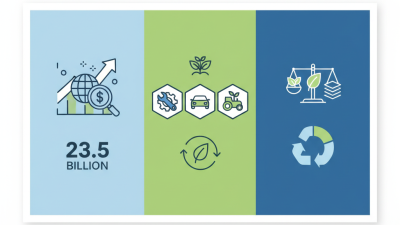
When sourcing HDPE plastic sheets, it's crucial to prioritize quality and specifications. Recent industry reports indicate that the HDPE market is expected to grow significantly, driven by its durable and versatile nature. Understanding the applications of HDPE can guide your purchasing decisions effectively. Applications include packaging, construction, and manufacturing.
One key tip involves assessing the thickness and density of the sheets. Thicker sheets typically offer greater strength and longevity. Aim for sheets that meet your specific application requirements. Another important factor is the source of the material. Ensure your supplier has a reputation for reliability. This can often be verified through customer feedback and industry certifications.
Raw material properties also matter. HDPE is resistant to impact, moisture, and chemicals, making it ideal for various environments. However, variations in production methods can lead to different qualities. It's wise to request samples before making large purchases. Always remember that prices can fluctuate due to market conditions. Some suppliers may have hidden costs, so clarify all aspects upfront. Done right, selecting HDPE sheets can enhance project outcomes significantly.
Comparison of HDPE Plastic Sheet Thicknesses and Their Applications