How to Choose the Right Plastic Film for Your Packaging Needs?
Choosing the right plastic film for packaging needs is crucial in today’s market. The global plastic film market reached over 30 million tons in 2021 and is expected to grow at a CAGR of 5.6% through the next several years. This growth highlights the need for businesses to understand the specific properties of plastic films. Compatibility, protection, and cost-effectiveness are essential factors to consider.
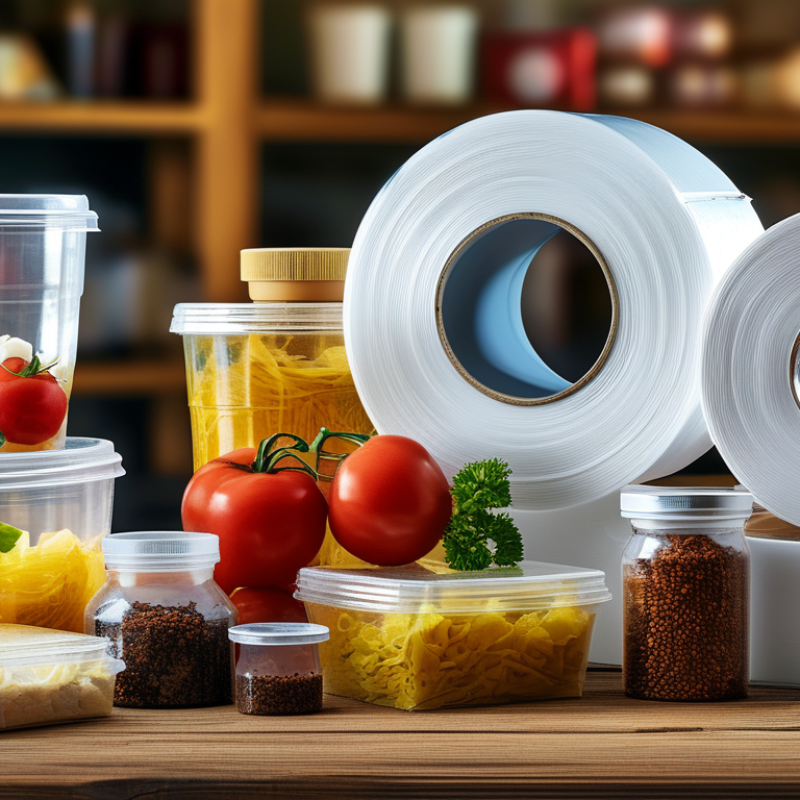
Different industries require different types of plastic films. For example, the food packaging sector often demands films that offer barrier protection and safety. Reports indicate that 40% of plastic film usage is in food applications. Additionally, other sectors like pharmaceuticals and electronics have unique requirements too. However, selecting the wrong type can lead to significant waste and inefficiencies.
Understanding these nuances is key. Businesses may find themselves overwhelmed by the numerous options. In some cases, this can lead to costly mistakes. A reflective approach to choosing the right plastic film is necessary to avoid pitfalls. By assessing specific needs and industry standards, companies can make informed decisions to enhance their packaging strategies effectively.
Understanding the Different Types of Plastic Films Available for Packaging
When selecting the right plastic film for packaging, it’s essential to understand the various types available. Common types include polyethylene (PE), polypropylene (PP), and polyvinyl chloride (PVC). According to the Flexible Packaging Association, over 35% of all flexible packaging is made from PE, making it a popular choice due to its versatility and cost-effectiveness. PE films are moisture-resistant and can be used in many applications, from food packaging to industrial uses.
Polypropylene films are recognized for their clarity and strength. They offer excellent resistance to chemicals and UV light, making them suitable for packaging products that require visibility and protection. The Plastics Industry Association reports that global demand for PP films has seen a steady annual growth rate of around 3.2% over the past five years. However, while they are effective, they may not always provide the best sealability compared to other films, leading manufacturers to reassess their choices.
Furthermore, PVC films are highly durable and have great barrier properties. They are commonly used in medical and food applications, but the environmental impact of PVC has prompted discussions around its sustainability. Manufacturers must weigh the performance benefits against potential drawbacks. Each type has its pros and cons, emphasizing the importance of evaluating specific packaging needs carefully.
Evaluating the Physical Properties of Plastic Films for Packaging Efficiency
When selecting a plastic film for packaging, understanding its physical properties is crucial. These characteristics directly affect the efficiency of your packaging solution. Key properties include thickness, tensile strength, permeability, and clarity. Each aspect influences how well the film protects the product and extends shelf life.
Carefully evaluate these features based on your product's requirements. For instance, a thicker film may provide better protection but could be more expensive. Ensure that the film is suitable for the specific environment it will face, such as moisture or UV exposure. A film that is too thin may tear easily, while a very thick one might be difficult to work with during packing.
Tips: Consider multiple samples to test for compatibility. Perform stress tests to observe how well the film withstands your intended use. Always consult with experts if you’re unsure about material choices. Engaging with a knowledgeable supplier can provide insights and prevent costly mistakes. Remember, not every film will meet your needs, and finding the right one often requires experimentation.
Assessing Environmental Impact and Sustainability of Plastic Film Options
Choosing the right plastic film for packaging goes beyond functionality. It is crucial to consider environmental impact. Some plastic films are made from recycled materials, while others are fully biodegradable. These options present sustainability benefits. However, not all biodegradable films break down effectively in landfills. It’s important to research how they interact with the environment.
The production of plastic films can involve harmful chemicals. Some films may contribute to pollution. Understanding the life cycle of your plastic film is vital. From sourcing to disposal, each step matters. Selecting films that prioritize reduced carbon footprints can reflect a commitment to sustainability.
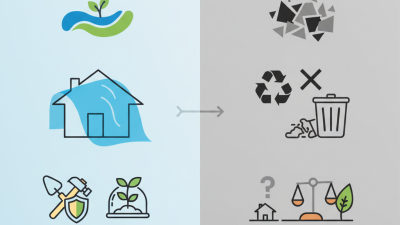
Ultimately, balancing performance and sustainability is a challenge. Many films that perform well might not be eco-friendly. This dilemma requires careful consideration. Investing time in evaluating options allows for better choices. The responsibility lies in making informed decisions that align with environmental goals. Each choice has consequences, both positive and negative.
Determining Cost-Effectiveness of Various Plastic Films for Your Needs
When selecting plastic films for packaging, cost-effectiveness is crucial. Recent industry reports indicate that polyethylene (PE) films dominate the market, accounting for over 30% of total plastic packaging usage. These films are favored for their low production costs and excellent moisture barrier properties. However, it is essential to consider other options like polypropylene (PP) films. Although slightly more expensive, PP films offer superior clarity and can enhance product visibility on shelves.
Evaluating the long-term costs associated with different films is vital. While PE may be cheaper initially, its environmental impact comes into play. A study by the American Plastics Council shows that biodegradable films, although costlier, can save on waste disposal fees. Companies that adopt sustainable practices often see a boost in consumer loyalty and brand reputation.
It’s important to remember that the cheapest option isn't always the best choice. Packaging needs vary significantly based on product types and shelf life. A film that preserves freshness longer can justify a higher upfront cost. Balancing immediate expenses with potential savings is key to making informed decisions about packaging materials. Frequent reassessment of film choices in relation to market trends is advisable.
Choosing the Right Plastic Film Thickness for Optimal Protection and Performance
Choosing the right plastic film thickness is crucial for maintaining product integrity. A study by Freedonia Group indicates that the demand for plastic packaging is expected to increase by 3.8% annually. Selecting the appropriate thickness can help minimize product spoilage and enhance shelf life.
Typical thickness for many packaging applications ranges from 0.5 to 6 mils. Thin films, around 0.5 to 1 mil, are often used for lightweight products. However, they may lack durability. Thicker films, between 3 to 6 mils, provide superior barrier properties, but can be cost-prohibitive for certain applications.
It's important to conduct testing before making final choices. Variability in material quality may affect performance. For example, a film that appears strong in testing might fail under adverse conditions, like extreme temperatures. Prioritizing right thickness can also lead to cost savings in wastage. A balanced approach is essential to ensure optimal performance.
Choosing the Right Plastic Film Thickness for Optimal Protection and Performance