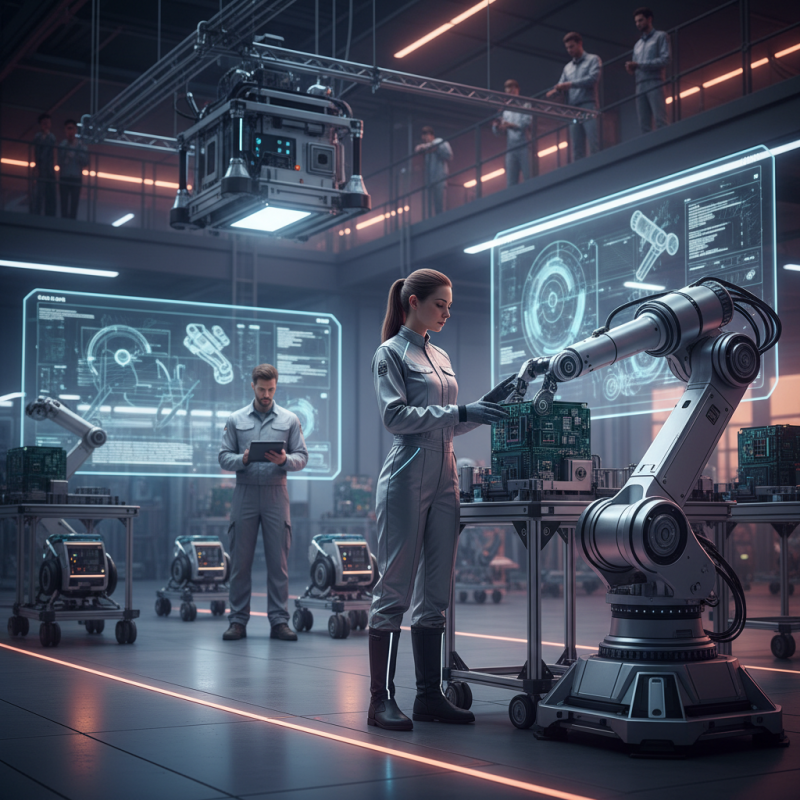
What is the Future of Robotic Human Collaboration?
The future of robotic human collaboration is an increasingly relevant topic. As technology evolves, robots and humans are working together more than ever. This partnership raises important questions about efficiency and ethics.
Robotic Human Collaboration Future promises innovative advancements. Workers will see robots supporting them in various tasks. Think of robots aiding in manufacturing or assisting in healthcare. This could lead to improved productivity, but it also poses challenges. The fear of job displacement is a concern that cannot be ignored.
Moreover, human trust in robots is crucial. How do we ensure responsible integration? As we envision this future, reflection is needed. We must consider how robots will adapt to societal needs. Balancing human emotions with technological capabilities is vital. The dialogue on robotic human collaboration should continue, shaping a responsible and effective future.
Overview of Robotic Human Collaboration: Current Trends and Technologies
Robotic human collaboration is becoming increasingly relevant across various industries. According to a recent report by the International Federation of Robotics, the market for collaborative robots, or cobots, is projected to grow by 28.4% annually. This trend is significantly driven by advancements in artificial intelligence and machine learning.
In manufacturing, cobots work alongside human workers to increase productivity. They perform repetitive tasks, allowing humans to focus on complex problem-solving. A study from McKinsey indicates that automation could raise global productivity by 0.8% to 1.4% annually. However, integrating these systems is not without challenges. Issues like job displacement and skill gaps present real concerns that need addressing. Industries must navigate these complexities carefully to maximize the benefits of robotic collaboration.
While the benefits are clear, the human element cannot be overlooked. For instance, a survey from PwC revealed that 37% of workers express concerns about their roles changing due to automation. This highlights the need for ongoing training and reskilling. As we embrace this technological future, balancing efficiency with human job security remains a critical challenge.
Key Benefits of Human-Robot Collaboration in Various Industries
Human-robot collaboration is reshaping various industries. In manufacturing, robots enhance productivity. They can operate continuously, increasing output and reducing errors. A skilled worker can oversee multiple robots, optimizing labor costs. This partnership allows humans to focus on complex tasks, while robots handle routine work.
In healthcare, robots assist in surgeries. They provide precision that surpasses human capabilities. Surgeons benefit from this technology, improving patient outcomes. However, reliance on robots raises concerns. The potential for technical failures can lead to risks. Trust and collaboration between humans and machines require careful consideration.
Logistics also sees significant advantages. Robots manage inventory and streamline packing processes. They can work in challenging environments, reducing safety risks for human workers. Yet, integrating robotics into existing systems is not without challenges. Workforce training is crucial. Workers must learn to interact with robots effectively. The dynamics of collaboration continue to evolve, creating new problems to solve.
Challenges and Ethical Considerations in Robotic Workforce Integration
As robotic technology evolves, the integration of robots into the workforce raises significant challenges. One prominent issue is the potential for job displacement. Many workers fear that automation will replace their roles, leaving them without employment. This fear can lead to resistance against adopting robotics in industries like manufacturing and healthcare. The emotional and psychological impacts on workers cannot be overlooked.
Ethical considerations also play a crucial role in robotic collaboration. Decisions around how robots assist in caregiving or personal protection involve moral dilemmas. Who is responsible when a robot makes a mistake? When robots learn from data, biases can inadvertently be incorporated. This brings attention to the need for transparency in robotic algorithms. The importance of designing robots that prioritize human well-being is vital for fostering trust in robotic assistance. Failure to address these ethical concerns may hinder the smooth adoption of collaborative robots in everyday settings.
Robotic integration also lacks clear regulations. Laws are still catching up with rapid advancements. Without established guidelines, both workers and employers face uncertainty. As we navigate this complex landscape, ongoing dialogue among technologists, ethicists, and workers becomes essential. This collaboration can help create frameworks that truly consider the human experience while harnessing the benefits of robotic innovation.
What is the Future of Robotic Human Collaboration? - Challenges and Ethical Considerations in Robotic Workforce Integration
| Dimension | Description | Current Challenges | Ethical Considerations |
| Safety | Ensuring the safety of human workers when collaborating with robots. | Accidents and malfunctions can pose serious risks in a shared space. | Responsibility for accidents and liability in the case of injuries. |
| Job Displacement | The impact of robots taking over tasks previously done by humans. | Unemployment and the need for retraining workers. | Fairness in the transition to a more automated workforce. |
| Communication | Effective exchange of information between humans and robots. | Misunderstandings due to lack of intuitive interfaces. | Transparency in decision-making processes of robots. |
| Adaptability | The ability of robots to adapt to varying tasks alongside humans. | Limited flexibility of robots in dynamic environments. | Ethics of programming robots to make autonomous decisions. |
| Privacy | Data collection by robots and implications for personal privacy. | Risks of data misuse and surveillance. | Ensuring user consent and data protection standards. |
Future Developments: Advancements in Robotics and AI for Better Synergy
The landscape of robotics and artificial intelligence continues to evolve. Innovations aim to enhance collaboration between humans and machines. This synergy can lead to improved efficiency in various sectors, including healthcare and manufacturing. Robots designed for surgical assistance provide precision that can reduce recovery times. However, trust remains a critical factor. Human operators need to feel comfortable with increasingly autonomous systems.
As robotics advance, the need for better communication arises. Machines must understand human cues, both verbal and non-verbal. For example, gesture recognition can help robots interpret instructions more effectively. Yet, there are challenges to overcome. Misinterpretations can lead to errors, raising concerns about safety. Developers must focus on creating robust algorithms that minimize misunderstandings.
Future advancements in AI promise greater collaborative potential. Machine learning enables robots to adapt to new tasks based on human feedback. This continuous learning process could revolutionize how we work together. Nevertheless, over-reliance on machines could diminish essential human skills. It is crucial to strike a balance between automation and human capabilities to foster a productive partnership.
Case Studies: Successful Examples of Human-Robot Collaboration in Practice
Human-robot collaboration is a rapidly evolving field. Various industries showcase successful partnerships, blending human ingenuity with robotic efficiency. In manufacturing, robots handle repetitive tasks. This allows humans to focus on quality assurance and innovative processes. A recent case study illustrated this blend. Workers teamed with robots to enhance assembly line productivity, achieving a 30% efficiency increase.
In healthcare, robots assist in surgeries, providing greater precision. They support surgeons by holding instruments steady. This collaboration reduces the likelihood of errors during critical procedures. However, training staff to work collaboratively with these machines remains a challenge. There are concerns about over-dependence and the need for continuous skill development.
Tips for effective collaboration include fostering a culture of openness. Encourage team members to voice concerns. Regular feedback sessions help in addressing issues early. Understand that technology will not replace the human touch but will enhance capabilities. Emphasizing patience helps teams navigate early hurdles in collaboration. These insights can guide organizations in creating effective human-robot partnerships.