What is a geomembrane welding machine and how does it work?
In the world of construction and environmental protection, the geomembrane welding machine plays a crucial role. This technology is pivotal for creating impermeable barriers to contain liquids and gases in various applications, such as landfills and ponds. As industry expert Dr. John Meyer stated, "The efficiency of a geomembrane welding machine can make or break a project's integrity."
The geomembrane welding machine operates by using heat and pressure to bond layers of geomembrane material. This process requires precision and skill, as improper welds can lead to leaks and failures. Many operators still face challenges in achieving consistent quality and durability in their welds. Even with advanced machines, it’s essential to regularly assess and refine the welding techniques used.
Moreover, the durability of the weld can significantly impact the lifespan of geomembrane systems. Factors like temperature and material type can complicate the process. Operators must always strive to improve their skills and adhere to best practices. The journey toward excellence in geomembrane welding is ongoing and requires a commitment to quality and innovation.
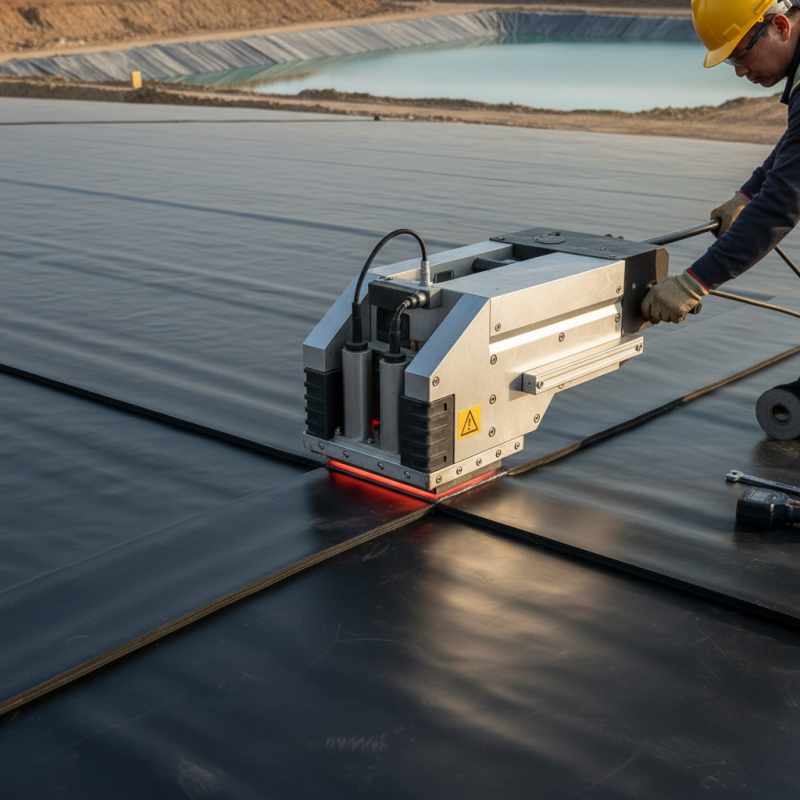
What is a Geomembrane Welding Machine?
A geomembrane welding machine is essential in the construction and environmental industries. It is designed to join geomembranes, which are synthetic liners used for waterproofing and containment. These materials play a vital role in landfills, ponds, and reservoirs. According to industry reports, the global geomembrane market is expected to reach $3.22 billion by 2026, highlighting the growing demand for these applications.
The welding process involves various techniques, including hot wedge, extrusion, and infrared welding. Each technique has its advantages and specific applications. For example, hot wedge welding provides a strong bond and is ideal for thick geomembranes, while extrusion welding allows for more flexibility with thinner sheets. However, flaws can arise during the welding process, such as insufficient heat or improper alignment. These issues can lead to leaks and decrease the integrity of the installation.
Effective training and regular maintenance of welding machines are crucial. Operators must understand the machine's settings to ensure optimal performance. This can prevent costly repairs and delays. Yet, there is often room for improvement in adhering to standard operating procedures. Continual learning and adaptation of new techniques can enhance the overall efficacy of geomembrane welding.
What is a Geomembrane Welding Machine?
| Feature | Description |
| Definition | A geomembrane welding machine is a specialized tool used for welding geomembrane sheets together to create a continuous barrier. |
| Operating Principle | It utilizes heat or friction to fuse the seams of geomembranes, ensuring a watertight seal. |
| Applications | Commonly used in landfill, pond lining, and environmental containment projects. |
| Types of Welding | Includes hot air welding, extrusion welding, and laser welding. |
| Advantages | Ensures high-quality, durable seams that can withstand extreme environmental conditions. |
| Considerations | Proper training and equipment maintenance are crucial for optimal results. |
Key Components of a Geomembrane Welding Machine
Geomembrane welding machines play a vital role in many industrial applications. They are essential for creating strong, leak-proof seams in geomembrane materials. Understanding the key components of these machines can provide better insights into how they function.
One of the primary components is the welding head. This part applies heat to the geomembrane. It can be equipped with various tools depending on the welding technique used. Another important component is the control system. This allows the operator to adjust temperature and pressure settings. Ensuring the right settings is crucial for successful welding.
The roller is another significant part. It helps in aligning the geomembrane layers precisely. It also ensures uniform pressure during the welding process. The power supply is essential as well. It provides the necessary energy for heat generation. Monitoring the operation is essential for achieving the best results. Sometimes, operators overlook small adjustments that can make a big difference. Each component must work together seamlessly for effective welding.
How Geomembrane Welding Machines Work: A Step-by-Step Process
Geomembrane welding machines are essential tools in construction and environmental projects. These machines create strong, durable seals between geomembrane sheets. They ensure waterproof barriers in landfills and water containment systems. The process is intricate, but it follows a straightforward approach.
The first step involves preparing the geomembrane surfaces. Operators clean them to remove dirt and debris. This is crucial, as any contamination can weaken the weld. Next, the machines apply heat to the edges of the sheets. The heated areas soften, allowing them to fuse together. This requires precise temperature control; too much heat can damage the material.
Once the sheets are appropriately heated, the nozzle presses them together. The pressure helps form a solid bond. Different techniques, like extrusion or hot air welding, may be used. Each technique has its pros and cons. Factors like the material type and project requirements influence this choice. However, consistent testing is necessary throughout the process. Flaws can occur, leading to potential leaks later. Operators must be vigilant and check each weld thoroughly. Careful attention to detail prevents future problems and ensures project success.
Types of Geomembrane Welding Techniques Used
Geomembrane welding techniques are crucial for ensuring the durability of containment systems. There are several methods used in the industry. Heat welding is the most common one. It employs a heated element to fuse the edges of geomembranes together. This method works well for thermoplastic materials. It creates strong, impermeable seams that withstand stress.
Another technique is extrusion welding. This method involves feeding a molten thermoplastic through a welding nozzle. This creates a strong bond between the surfaces. While effective, it requires skill to achieve a consistent flow. Many factors can affect the quality of the weld, like temperature and speed.
Finally, there’s the use of hot air welding. This method uses hot air to soften the materials before pressing them together. It’s versatile and can be used on various geomembrane types. However, achieving the right temperature can be tricky. Improper settings may lead to weak seams that compromise integrity. Each technique offers distinct benefits and challenges. Understanding them is key for successful applications.
Applications of Geomembrane Welding Machines in Various Industries
Geomembrane welding machines are essential in many industries. They create strong seals in geomembranes, which are waterproof barriers made from synthetic materials. These machines are widely used in applications like landfill liners, aquaculture, and environmental protection. In the construction industry, for instance, the global geomembrane market was valued at approximately $3.5 billion in 2022. This growth reflects increasing infrastructure projects requiring durable and reliable sealing solutions.
In mining, geomembranes help manage waste and protect groundwater. The use of these machines ensures that mining operations adhere to environmental regulations. According to industry reports, over 40% of mining companies are investing in advanced welding technology. This shift highlights the importance of reliable seams in preventing leaks. However, not all installations are perfect. Errors can occur, leading to weaknesses in seals. Regular training and quality checks are crucial to minimize such risks.
Aquaculture also benefits from geomembrane welding. Ponds rely on watertight seals to maintain water quality. Studies show that effective geomembrane installation can increase fish yields by up to 30%. Yet, some installations may not achieve optimal results due to improper welding techniques. Continuous improvement in training can enhance these outcomes. The versatility of geomembrane welding machines is clear. They play a vital role across various sectors, but there is always room for progress and learning.
