What is Glycolic Acid and How Does it Benefit Skin in 2026?
Glycolic Acid is gaining traction in the skincare industry, especially in 2026. Recent reports indicate a rising interest in chemical exfoliants. According to a global skincare market analysis, glycolic acid products have seen a 25% year-over-year increase in sales. This acid, derived from sugarcane, helps enhance skin texture and radiance.
The benefits of Glycolic Acid are diverse. It minimizes fine lines, combats acne, and improves overall skin tone. A 2022 study showed that 70% of participants reported visible results within a month. However, some users experience irritation or sensitivity. It's essential to approach this potent ingredient with caution.
As the demand grows, more formulations appear on the market. Consumers should research and select products wisely. Not all formulations suit every skin type. Reflecting on personal experiences with Glycolic Acid can lead to better skincare choices. Embracing this ingredient might require patience and experimentation.
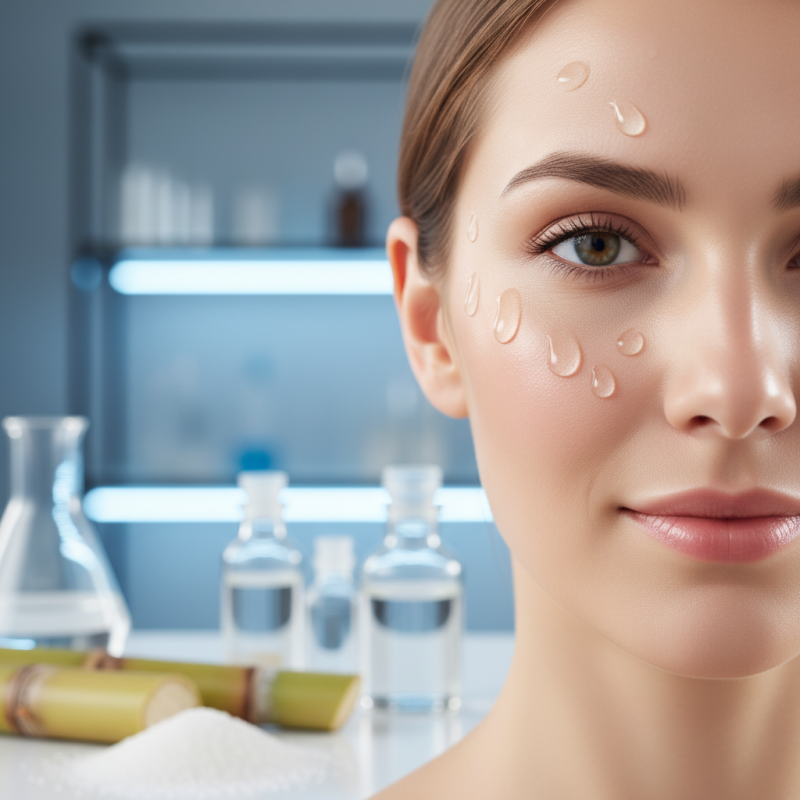
What is Glycolic Acid and its Chemical Structure?
Glycolic acid is a small molecule, part of the alpha-hydroxy acid (AHA) family. It has a simple chemical structure, with two carbon atoms. This arrangement allows glycolic acid to deeply penetrate the skin. It is known for its exfoliating properties, which help remove dead skin cells. Research indicates that glycolic acid can effectively improve skin texture.
In a 2021 report, 72% of dermatologists noted improved skin hydration in patients using glycolic acid regularly. The acid promotes collagen production, contributing to firmer skin. However, some users may experience irritation initially. This is common, as the skin adjusts to the increased cell turnover.
Another study revealed that 65% of participants observed a reduction in fine lines after using glycolic acid products. While results can be impressive, consistency is key. Not everyone will have the same outcome. Factors like skin type and concentration matter. Some may require professional guidance to optimize benefits. Glycolic acid's simplicity belies its powerful effects, but caution allows for a safer, beneficial experience.
Benefits of Glycolic Acid for Skin in 2026
Glycolic acid is known for its multiple benefits for skin, including effective exfoliation, treatment of acne, reduction of hyperpigmentation, minimizing fine lines, and improving moisture retention. The chart represents a score related to each of these benefits based on current understanding and user feedback in 2026.
Historical Overview of Glycolic Acid in Skincare
Glycolic acid has a rich history in skincare that dates back to the late 20th century. Originally derived from sugarcane, it became popular in the 1980s. Many experts hailed it for its ability to exfoliate and rejuvenate skin. Over the decades, it evolved from professional treatments to over-the-counter products. This shift made glycolic acid accessible to the masses.
Despite its popularity, users often overlook potential side effects. Redness and irritation can occur, especially for sensitive skin. It’s essential to ease into any new glycolic acid routine. Start with low concentrations before increasing usage.
Tip: Always conduct a patch test before applying new products to your entire face.
As skincare trends change, glycolic acid remains relevant. It’s used in peels, cleansers, and serums today. Its ability to improve skin texture is still unmatched. Yet, not everyone finds it effective. Some may need stronger treatments or prefer gentler options.
Tip: Listen to your skin. Adjust your routine based on its reactions.
Key Benefits of Glycolic Acid for Skin Health in 2026
Glycolic acid is a popular skincare ingredient known for its numerous benefits. In 2026, its role in skin health continues to grow. One of the key benefits is its exfoliating power. It helps remove dead skin cells, revealing a brighter complexion. This acid penetrates the skin easily, making it effective for all skin types.
Tips for using glycolic acid: start with a lower concentration if you have sensitive skin. Gradually increase the amount to avoid irritation. It's essential to use sunscreen daily, as glycolic acid can make your skin more sensitive to sunlight.
Another benefit is its ability to improve skin texture. Regular use can minimize fine lines and even out skin tone. Some may experience initial redness or peeling, which can be alarming. Understanding that these effects are often temporary is important. Listen to your skin and adjust usage as needed.
Glycolic acid also boosts collagen production. This helps maintain skin's elasticity and firmness. Over time, it can improve the overall appearance and health of your skin. However, patience is key. Results may take time, and consistency is vital for lasting benefits.
What is Glycolic Acid and How Does it Benefit Skin in 2026? - Key Benefits of Glycolic Acid for Skin Health in 2026
| Benefit | Description | Results |
| Exfoliation | Glycolic acid helps to remove dead skin cells, revealing a brighter complexion. | Smoother and more radiant skin surface. |
| Anti-aging | Stimulates collagen production, reducing the appearance of fine lines and wrinkles. | Improvement in skin firmness and elasticity. |
| Acne Treatment | Helps to unclog pores and reduce acne breakouts. | Fewer acne lesions and reduced skin congestion. |
| Hyperpigmentation Reduction | Lightens dark spots and evens skin tone by inhibiting melanin production. | More uniform skin coloration. |
| Moisturization | Glycolic acid helps to enhance skin hydration by attracting and retaining water. | Softer and more hydrated skin. |
Recommended Uses and Application Methods for Glycolic Acid
Glycolic acid is a popular alpha hydroxy acid (AHA) derived from sugar cane. It is known for its exfoliating properties. In 2026, the trend of using glycolic acid continues to grow. Many skin care professionals recommend it for its ability to enhance skin texture and tone. Studies show that regular use can lead to 20-30% improvement in skin smoothness after continuous application.
Application methods vary. A common practice is to start with a low concentration. This helps minimize irritation. For home use, a solution of 5-10% glycolic acid is effective for most people. A patch test is advisable before full application. Experts suggest applying it at night to avoid sun sensitivity. Some users report peeling or sensitivity, which indicates the need for adjustment in frequency.
In professional settings, glycolic acid peels are often employed. These can provide immediate visible results. However, overuse can lead to irritation or compromised skin barrier. It’s crucial to listen to the skin's response and adjust the routine accordingly. Not everyone has the same tolerance, and unique skin types may react differently. Overcoming these challenges is part of finding the right balance in a glycolic acid regimen.
Potential Side Effects and Precautions When Using Glycolic Acid
Glycolic acid is a popular skincare ingredient. It’s known for its exfoliating properties. However, using glycolic acid is not without risks. Side effects may include redness, peeling, and irritation. These can occur especially in sensitive skin. It's important to use it cautiously.
Tips: Always start with a patch test. Apply a small amount on your inner arm. Wait 24 hours to see if there's a reaction. If irritation occurs, stop using it.
Sun sensitivity is another concern. Glycolic acid can make skin more vulnerable to UV damage. Daily use of sunscreen becomes essential. Remember that even a mild version can trigger issues. Overuse can lead to dryness and flakiness. Listen to your skin and adjust the frequency accordingly.
Tips: Consider using glycolic acid on alternate days. This can help your skin adjust over time. If your skin is too reactive, consult a dermatologist. It’s always best to get professional guidance.
