2026 How to Choose the Best Cryogenic Gearbox for Your Needs
Choosing the right Cryogenic Gearbox is critical for achieving optimal performance in extreme environments. These specialized gearboxes play a vital role in many industries including aerospace, liquefied natural gas (LNG) production, and medical applications, where low temperatures are common. Reports from the Global Cryogenic Equipment Market indicate that the market size is expected to reach $30 billion by 2026, showcasing a growing demand for reliable cryogenic solutions.
When selecting a cryogenic gearbox, consider factors like material properties, temperature resistance, and efficiency. The gearbox must endure extreme conditions without failing. Many manufacturers offer gearboxes made from advanced alloys designed for cryogenic applications. However, there is often a trade-off between durability and weight, which can impact your operational efficiency.
As you navigate through the options, consider consulting industry leaders or utilizing technical standards defined by organizations like the American Society of Mechanical Engineers (ASME). An informed decision can prevent costly mistakes that arise from a mismatch between the gearbox’s design and your operational needs. The complexity of cryogenic systems requires a thorough evaluation process to ensure you choose a gearbox that meets your specific application demands effectively.
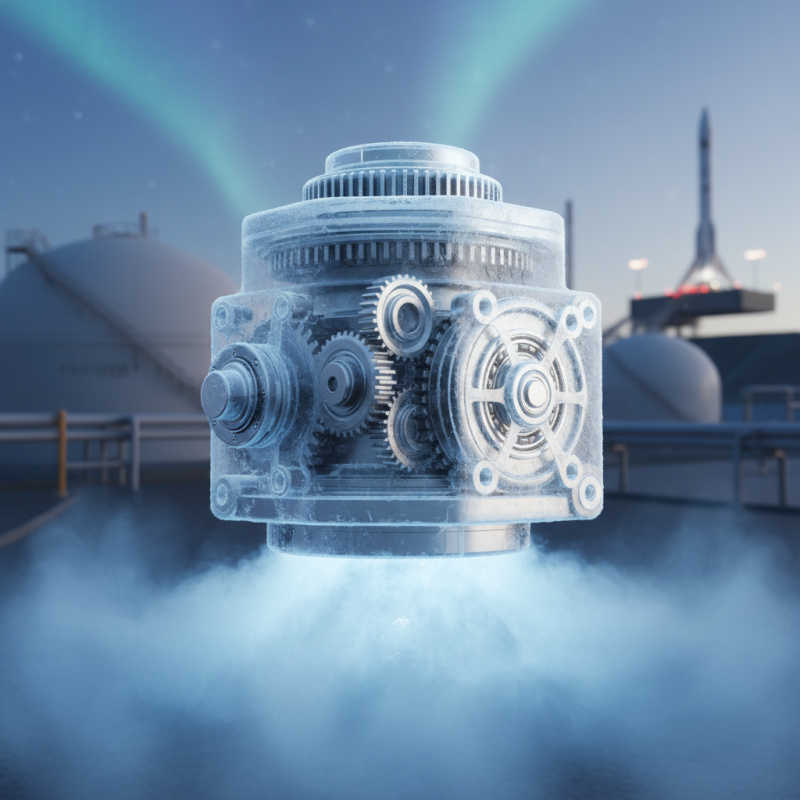
Understanding Cryogenic Gearboxes: Key Features and Functions
Cryogenic gearboxes play a crucial role in various industries, especially in spacecraft and LNG applications. These gearboxes must perform efficiently at extremely low temperatures. They ensure reliable operation despite the challenges posed by cryogenic environments. Understanding the key features of these gearboxes is essential for optimal performance.
When selecting a cryogenic gearbox, consider load capacity and material. Most models are constructed with specialized alloys. These materials handle thermal contraction while maintaining strength. According to industry reports, the right material selection can improve lifespan by up to 25%. Furthermore, lubrication becomes critical in these conditions. Standard lubricants can freeze, so specific cryogenic oils are necessary.
Another aspect to reflect on is efficiency. A gearbox should minimize energy losses. Recent studies indicate that designs that reduce friction can improve overall efficiency by 10% or more. Potential miscalculations in load predictions can lead to significant operational issues. Understanding how to assess your specific needs will guide you in selecting the best gearbox for your application.
Factors to Consider When Choosing a Cryogenic Gearbox
When selecting a cryogenic gearbox, several critical factors emerge. One must consider the operating temperature range, as cryogenic applications often operate between -150°C to -269°C. Gearboxes require specialized materials to maintain performance and safety in extreme conditions. Stainless steel and certain alloys are commonly used due to their resistance to extreme temperatures.
Another vital aspect is the gearbox's design. High-torque applications benefit from a gearbox that incorporates planetary gear systems, which provide better efficiency and load capacity. According to a report by Research and Markets, the global cryogenic gearbox market is expected to grow at a CAGR of 5.6% from 2021 to 2026. This growth highlights the increasing demand for efficiency and reliability in industrial applications.
Vibration and thermal expansion must not be overlooked. A gearbox must be capable of handling changes in dimensions due to temperature fluctuations. Engineers must assess these aspects carefully to avoid potential failures. Some reports have indicated that misalignment due to poor thermal management can lead to significant downtime. Proper evaluation and selection can save costs and improve performance in the long run.
2026 How to Choose the Best Cryogenic Gearbox for Your Needs - Factors to Consider When Choosing a Cryogenic Gearbox
| Factor | Description | Importance Level (1-5) |
| Temperature Range | Ensure the gearbox can operate efficiently at cryogenic temperatures (below -150°C). | 5 |
| Gear Material | Select materials that maintain strength and durability at low temperatures. | 4 |
| Lubrication Type | Choose appropriate cryogenic lubricants to prevent freezing and ensure smooth operation. | 5 |
| Load Capacity | Determine the maximum load the gearbox can handle without failure. | 4 |
| Efficiency | Look for gearboxes with high efficiency to reduce energy loss. | 3 |
| Footprint | Consider the physical size and dimensions to fit your application space. | 3 |
| Cost | Evaluate budget and total cost of ownership over the gearboxes lifecycle. | 4 |
Types of Cryogenic Gearboxes and Their Applications
Cryogenic gearboxes play a crucial role in various applications, especially in industries that require low-temperature operations. These specialized gearboxes are designed to withstand extreme conditions. Common types include planetary, worm, and helical gearboxes. Each type has its unique structure and benefits, catering to diverse needs.
Planetary gearboxes are compact and efficient. They offer high torque density and are suitable for applications in aerospace and medical equipment. Worm gearboxes, on the other hand, provide excellent speed reduction. They are often used in liquefied natural gas (LNG) facilities. However, they can experience significant wear over time, requiring regular maintenance.
Helical gearboxes are known for their smooth operation and high efficiency. They are ideal for applications in refrigeration systems. Despite their advantages, they can be more expensive. Understanding these types is essential for selecting the right gearbox. Users often overlook specific requirements, which can lead to increased costs and inefficiencies. Evaluating operational conditions is necessary to avoid pitfalls in gear selection.
Maintenance and Durability of Cryogenic Gearboxes
When selecting the right cryogenic gearbox, understanding maintenance and durability is crucial. Cryogenic gearboxes operate under extreme temperatures, often below -150°C. Their materials must withstand thermal stresses and potential brittleness.
Reports indicate that materials like stainless steel and specialized alloys are key for durability in such conditions. These materials ensure robustness and longevity, reducing maintenance needs.
Regular inspection is vital. A study highlighted that nearly 25% of cryogenic gearboxes suffer from unexpected failures due to inadequate maintenance. Minor issues can escalate quickly in these environments, leading to costly downtime. Identifying wear signs, lubricating components, and checking seals are critical tasks. Adopting a predictive maintenance strategy can further enhance reliability.
Monitoring temperature and vibration levels provides essential data for condition assessments.
Data suggest that well-maintained gearboxes can operate efficiently for over 20,000 hours. However, neglect can cut this lifespan drastically. Users must weigh the costs of maintenance against potential failures. Often, organizations overlook routine checks. Realizing that proactive maintenance can save time and money is essential for operational success. Emphasizing a culture of accountability and consistent review practices is necessary for optimal performance.
Cost Analysis: Investing in the Right Cryogenic Gearbox for Your Needs
When investing in a cryogenic gearbox, cost analysis is crucial. Each component significantly influences the overall performance. The initial purchase price may seem low, but consider long-term efficiency. Higher-quality materials might increase upfront costs, but they often lead to better durability and lower maintenance expenses.
Evaluating the total cost of ownership is vital. This includes energy consumption, maintenance intervals, and potential downtime. Often, cheaper options can become costly in the long run. Study the specifications carefully. Look for features that align with your operational needs. A gearbox that fits well with your system can improve efficiency and reduce energy waste.
User feedback can provide insight into reliability. Sometimes, reviews highlight unexpected flaws. Addressing these issues upfront can save money down the line. Investing in training for staff is also essential. Understanding how to operate and maintain will maximize the gearboxes’ lifespan. Balancing initial costs with future benefits can lead to a wise investment in cryogenic technology.
