How to Use HPMC in Food and Pharmaceutical Applications?
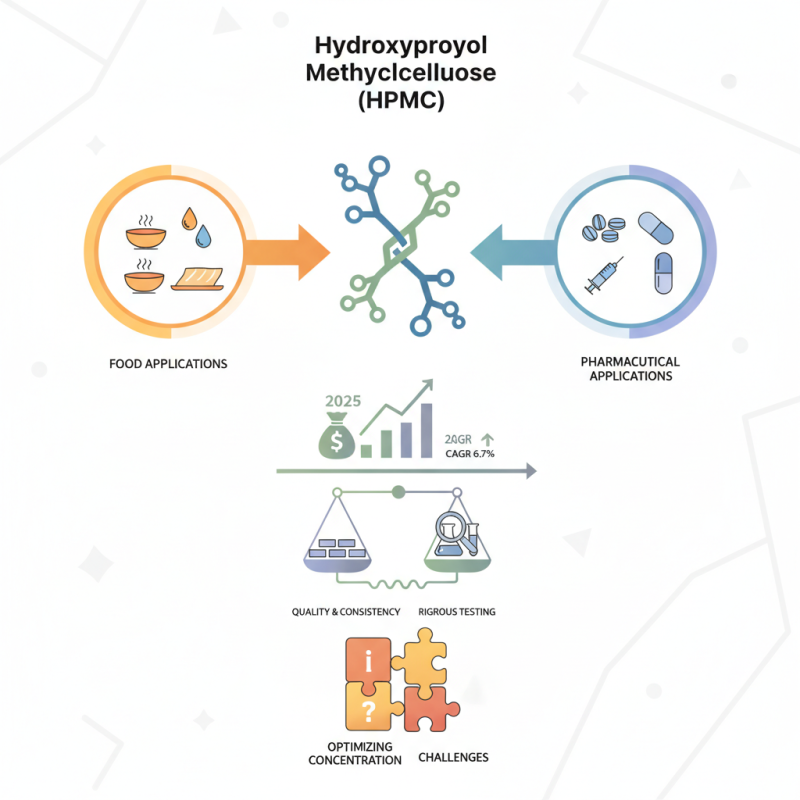
Hydroxypropyl Methylcellulose (HPMC) is a versatile ingredient widely used in food and pharmaceutical industries. This cellulose-derived compound plays a crucial role in enhancing texture and stability. According to a report by MarketsandMarkets, the global HPMC market is projected to reach USD 960 million by 2025, growing at a CAGR of 6.7%.
In food applications, HPMC acts as a thickening agent, emulsifier, and film-former. It improves the mouthfeel of sauces and dressings. For pharmaceuticals, it serves as a binding agent in tablets and a stabilizer in topical formulations. The flexible nature of HPMC makes it suitable for various applications. However, the challenge lies in optimizing its concentration for different products. Too much HPMC can lead to an undesirable texture.
While HPMC has many benefits, it’s essential to consider the variability in quality among suppliers. Not all HPMC products meet the same standards. Ensuring consistency in performance can be tricky. Companies must prioritize rigorous testing and validation. This is essential for maintaining product integrity and consumer trust.
Understanding HPMC: Composition and Properties
Hydroxypropyl methylcellulose (HPMC) is a versatile compound widely used in food and pharmaceutical industries. It is a white, odorless powder that dissolves in cold water. The composition of HPMC involves modified cellulose, which provides unique properties. Its ability to form gels makes it ideal for various applications, from food additives to drug formulations.
Tips: Always check the source of your HPMC. Quality can vary.
In food applications, HPMC acts as a thickener, stabilizer, and emulsifier. It helps maintain consistency in sauces and dressings. In pharmaceuticals, HPMC serves as a binder and film-forming agent in tablets. However, users should be cautious; sometimes, HPMC can alter the release characteristics of medications.
Tips: When using HPMC, consider the intended texture. Adjusting the viscosity may be necessary.
While HPMC offers many benefits, there are challenges. Certain formulations may not achieve desired effects. Experimentation is key to finding the right formulation for your needs. Understanding the properties of HPMC can lead to better results, but it often requires fine-tuning and adjustments.
Role of HPMC in Food Industry Applications
HPMC, or Hydroxypropyl Methylcellulose, plays an essential role in the food industry. It acts as a thickening agent, improving the texture of many products. For instance, in sauces or dressings, HPMC enhances viscosity, ensuring a smooth flow and even distribution. This makes the final product more appealing to consumers.
It also serves as a stabilizer. In ice creams, HPMC prevents ice crystals from forming, creating a creamier texture. Meanwhile, it helps maintain moisture in baked goods. This can lead to softer and fresher bread over extended periods. Sometimes, over-relying on HPMC can lead to a gummy texture in some recipes, which is something manufacturers should watch closely.
Another important application is in gluten-free products. HPMC mimics the elasticity that gluten provides. However, if not dosed correctly, it may result in an undesirable crumb structure. Balancing its use is key to achieving the right consistency. Overall, HPMC is a versatile ingredient, but its effects require careful consideration to optimize food quality.
How to Use HPMC in Food and Pharmaceutical Applications?
| Application Area | Function of HPMC | Benefits | Typical Concentration |
| Food Stabilizer | Thickening agent | Improves texture and viscosity | 0.5% - 3% |
| Pharmaceutical Tablets | Binder | Enhances tablet integrity | 1% - 5% |
| Sauces and Dressings | Emulsifier | Stabilizes oil and water phases | 0.3% - 2% |
| Cosmetics | Film-forming agent | Provides a smooth application | 0.5% - 3% |
| Gluten-free Products | Texture enhancer | Imitates gluten-like properties | 1% - 4% |
Utilization of HPMC in Pharmaceutical Formulations
Hydroxypropyl methylcellulose (HPMC) plays a crucial role in pharmaceutical formulations. It acts as a thickening agent and stabilizer. In tablets, HPMC ensures even distribution of active ingredients. This promotes better drug release and absorption.
HPMC is also significant in controlled-release formulations. Its gel-forming properties allow for a gradual release of medication. Patients experience fewer side effects when drugs are dispensed slowly. However, challenges arise in ensuring consistency. Variations in material quality can impact the final product.
Additionally, HPMC is versatile. It is also used in films and coatings for tablets. These coatings protect drugs from moisture and enhance their appearance. Yet, optimizing the coating process can be complex. Too much or too little HPMC can alter drug performance. Understanding HPMC’s behavior in various environments is essential for effective applications in pharmaceuticals.
Best Practices for Incorporating HPMC in Products
HPMC, or Hydroxypropyl Methylcellulose, is becoming essential in food and pharmaceutical industries. Its versatility makes it a popular choice for stabilizers, thickeners, and emulsifiers. Recent reports suggest HPMC's market is expected to reach $2 billion by 2025, owing to its unique properties and applications.
Best practices for incorporating HPMC in products include proper blending techniques. Ensure that HPMC is mixed with dry ingredients before adding liquid. This prevents clumping and guarantees uniform texture. Maintaining the right temperature during mixing is crucial. Heating can degrade HPMC, impacting product quality.
Tip: Always pre-hydrate HPMC in cold water to enhance solubility. This simple step ensures smoother incorporation and better performance.
Consider the percentage of HPMC in your formulation. Often, less is more. Excess HPMC can lead to overly thick consistency. Experimenting with small batches allows for adjustments before scaling production. Monitor how different sources of HPMC affect your formulation. Quality may vary significantly.
Tip: Keep detailed records of formulations. This helps fine-tune recipes and improve efficiency over time.
HPMC Usage in Food and Pharmaceutical Applications
Safety and Regulatory Considerations for HPMC Usage
Safety is paramount when using HPMC in food and pharmaceutical applications. It is essential to ensure that the source of HPMC meets safety standards. Manufacturers must provide certificates of analysis to confirm this. Safe usage hinges on thorough testing before products reach consumers. Testing methods can vary greatly, and not all are standardized.
Regulatory considerations are equally critical. Different countries have specific regulations governing HPMC use. These guidelines dictate acceptable quantities and purity levels. Compliance is mandatory for manufacturers to avoid fines and legal complications. Continuous monitoring of ingredient quality is necessary.
Despite stringent regulations, issues can arise. For instance, batch variations can impact safety. This inconsistency can lead to unanticipated reactions in sensitive populations. Companies need a solid quality assurance process to address these risks effectively. Reflecting on safety practices can help improve HPMC's application in food and pharmaceuticals.
