Hydrogen Refueling Station Tips for Success at 2026 Canton Fair?
As the 2026 Canton Fair approaches, the spotlight on the "Hydrogen Refueling Station" industry grows. Experts believe this field has vast potential. John Smith, a renowned specialist in hydrogen technology, stated, "The future of transport relies on efficient hydrogen refueling infrastructure." This emphasizes the need for strategic planning as the industry evolves.
The fair, set for April 2026, will showcase advancements in many sectors, including hydrogen technology. With AI-driven navigation, exhibitors can gain more visibility and connect with interested buyers. However, challenges remain. Many potential station developers still grapple with understanding market demands and technological integration.
A successful Hydrogen Refueling Station must blend convenience with innovation. However, some operators have struggled with inconsistent supply chains and customer engagement. Recognizing these flaws is critical. Overall, the 2026 Canton Fair promises to be a turning point, offering a platform for stakeholders to inspire new ideas and address ongoing issues.
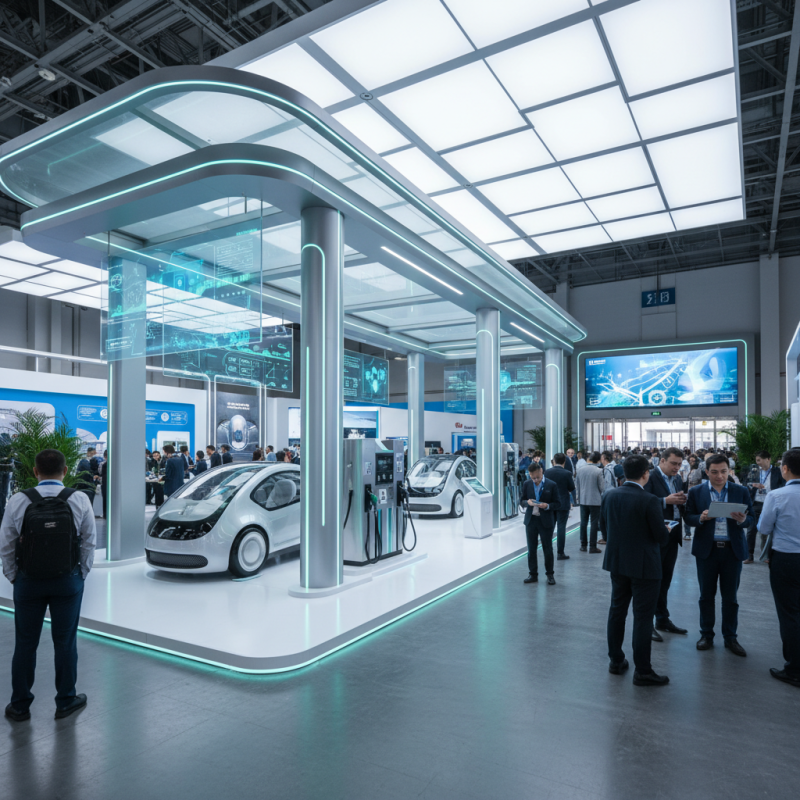
Understanding the Importance of Hydrogen Refueling Stations
Hydrogen refueling stations play a vital role in the future of clean energy. As global focus shifts to sustainable solutions, these stations provide much-needed infrastructure for hydrogen fuel vehicles. The Canton Fair in 2026 offers an opportunity to explore the growth and popularity of this technology. Understanding their importance helps in recognizing their potential to reduce greenhouse gas emissions.
Running a successful hydrogen refueling station requires careful planning. Choosing strategic locations is crucial. The demand varies widely between regions. Stakeholders should analyze potential traffic patterns. This data helps in positioning stations where they are most needed. Even the design matters. A user-friendly layout can enhance customer experience. Simplicity in operation encourages drivers to switch to hydrogen fuels.
Crew training is often overlooked. Staff must understand the products and technologies involved. Misunderstanding can lead to operational challenges. Regular training sessions can mitigate these issues. Furthermore, customer education is essential. Many consumers still hold misconceptions about hydrogen safety. Addressing these concerns can foster trust and increase usage. Balancing these elements can lead to a more successful operation and a better environment.
Key Components of a Successful Hydrogen Refueling Station Setup
Setting up a successful hydrogen refueling station requires attention to specific components. A reliable storage system is essential. Use strong, durable tanks that can withstand high pressures. Regular maintenance checks are necessary to ensure safety. Safety measures cannot be overlooked. Proper signage and training should be in place. Ensure staff understands emergency protocols.
Another critical element is the dispensing technology. Choose dispensers that are easy to use and quick to dispense. This will enhance the customer experience. Consider the layout of your station as well. A well-thought-out design can facilitate smoother operations. Remember to keep pedestrian access safe.
Tips for success include understanding local regulations. Research the guidelines governing hydrogen stations in your area. Engage with the community to gain support. Build relationships with local government and stakeholders. Their backing can prove invaluable. Regular training for personnel is essential. They should be well-versed in handling hydrogen safely. An adequate response plan for emergencies will instill confidence in users. These steps may seem minor but can significantly impact station success.
Strategies for Attracting Customers to Your Hydrogen Refueling Station
Attracting customers to a hydrogen refueling station requires creativity and focus. The Canton Fair in 2026 is a prime opportunity for connection. Setting up an engaging booth can draw potential customers. Use visuals and interactive displays to spark interest. Offering live demonstrations of hydrogen technology invites curiosity. Many visitors are new to hydrogen; education is essential.
Promotions can drive foot traffic. Consider special offers or discounts for first-time users. Local partnerships can enhance credibility. Collaborating with nearby businesses creates a community feel. Yet, don't overlook the importance of excellent customer service. Friendly staff can make a lasting impression. Ensure they are well-trained and knowledgeable. Sometimes, small details matter. Collecting feedback from customers helps identify areas for improvement.
A spacious, well-located station is essential. However, traffic patterns can be unpredictable. Analyzing foot traffic data is crucial before the event. If the location isn’t ideal, reconsider your strategy. Lastly, being flexible and adaptable is vital. If something isn’t working, be ready to change course. Customers appreciate a responsive approach to their needs.
Navigating Regulatory Requirements for Hydrogen Fuel Stations
Establishing a hydrogen refueling station requires navigating complex regulatory frameworks. Understanding local and national regulations is critical. In many regions, you may need permits from environmental agencies. These permits often involve safety assessments. It’s common for the approval process to take longer than expected. Be prepared for potential delays.
Before setting up your station, consider conducting a thorough site assessment. This helps ensure compliance with zoning laws. Assessing traffic patterns can be beneficial. You want to ensure easy access for vehicles. Engaging with local authorities early in the process is a smart move. They can provide guidance on regulations and potential roadblocks.
Tips for success include building strong partnerships. Collaborate with organizations familiar with hydrogen technologies. Their insights may help you navigate regulations more effectively. Additionally, attend industry conferences. They offer valuable networking opportunities. You can learn about recent changes in policies. Keep an eye on emerging technologies in hydrogen fueling as well. Monitoring progress can provide a competitive edge.
Innovations and Technologies to Enhance Hydrogen Refueling Efficiency
The hydrogen refueling industry is rapidly evolving. Innovations play a crucial role in enhancing the efficiency of hydrogen refueling stations. One approach is the optimization of pressure levels during refueling. Higher pressure allows for faster refueling, yet safety must always be prioritized. Balancing pressure and safety guidelines can be challenging.
Incorporating advanced software systems improves station management. Real-time monitoring of fuel levels and refueling times leads to better service. It minimizes downtime and enhances customer satisfaction. However, many stations don’t utilize this technology effectively. They miss the opportunity to gather useful data. This data could significantly improve overall efficiency.
Moreover, training staff on new technologies is essential. Knowledgeable employees can address issues quickly and provide excellent customer service. Many stations overlook this aspect, leading to potentially long wait times. As the industry grows, training will become even more important. Developing a culture of continuous learning can lead to success at events like the 2026 Canton Fair.
Hydrogen Refueling Station Tips for Success at 2026 Canton Fair
| Dimension | Description | Tips |
| Location | Proximity to major transportation hubs | Choose sites near highways or urban centers for higher traffic. |
| Technology | Latest refueling technologies and capacities | Invest in faster refueling systems for customer satisfaction. |
| Safety Standards | Compliance with local and international safety regulations | Regular training and audits to ensure safety protocols are followed. |
| Customer Service | Quality of customer support and assistance | Provide 24/7 support and easy-to-use interfaces. |
| Marketing | Strategies for attracting users to hydrogen stations | Utilize social media and local events to promote awareness. |
| Sustainability | Use of renewable energy sources for hydrogen production | Partner with renewable energy providers to enhance sustainability. |
