In the rapidly evolving world of manufacturing, mastering plastic forming techniques is essential. Plastic forming is not just a manufacturing process; it is a gateway to innovation. Companies that embrace these techniques can create diverse products with enhanced functionality and aesthetics.
Sustainable practices are also crucial. The use of recycled materials in plastic forming can reduce waste. However, companies face challenges in guaranteeing quality while being eco-friendly. There is a fine line between efficiency and sustainability. Not all methods yield the desired results, leading to trial and error.
Recent advancements in technology have made plastic forming more accessible. Yet, many manufacturers still struggle with its complexities. Understanding the nuances in temperature and pressure is vital. Mistakes can lead to defects, causing delays in production. Continued learning and adaptation are necessary for mastering this art. Embracing imperfection can drive improvement.

Plastic forming techniques are essential in modern manufacturing. These methods allow for efficient production of complex shapes. Basic techniques include injection molding, blow molding, and thermoforming. Each has unique applications and benefits. For instance, injection molding is ideal for high-volume production of intricate parts.
Understanding the fundamentals of these techniques can be challenging. There are many variables at play, such as material properties and equipment settings. One must consider the temperature and pressure required for each process. A small mistake can lead to defects in the final product. This can result in wasted materials and time, prompting the need for careful monitoring.
Practicing these techniques can reveal unexpected challenges. Common issues may include warping or uneven thickness. Engaging in trial and error is often necessary to achieve desired outcomes. Reflection on these experiences aids continuous improvement. This iterative approach fosters innovation in plastic forming, ultimately enhancing manufacturing processes.
| Technique | Description | Applications | Material Types | Advantages |
|---|---|---|---|---|
| Injection Molding | A process of injecting molten plastic into a mold. | Automotive parts, medical devices, consumer products. | ABS, Polypropylene, Polystyrene. | High efficiency, complex shapes, low cost for large volumes. |
| Blow Molding | A method for creating hollow plastic products. | Bottles, containers, fuel tanks. | Polyethylene, Polypropylene. | Cost-effective for large volumes, lightweight products. |
| Thermoforming | Heating plastic sheets and forming them over molds. | Packaging, trays, disposable tableware. | PVC, PET, Polystyrene. | Quick production, low setup costs. |
| Rotational Molding | A process where plastic is heated in a mold and rotated to create a part. | Large containers, playground equipment. | Polyethylene, Nylon. | Ability to create large, uniform shapes without seams. |
| Compression Molding | Molding method where material is placed in a heated mold and pressure is applied. | Electrical components, automotive parts. | Rubber, Thermosetting plastics. | Effective for high-strength parts and thick sections. |
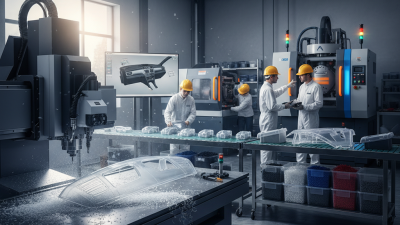
Plastic forming techniques are essential in modern manufacturing. Injection molding is one of the most common methods. It involves injecting heated plastic into a mold. This process creates precise and complex shapes. It is efficient for mass production. However, it requires careful temperature control. If not managed well, the end product can be flawed.
Blow molding is another significant technique. This method is often used for making hollow plastic objects, like bottles. It involves inflating a heated plastic tube into a mold. This process may seem straightforward, but ensuring uniform thickness can be challenging. Mistakes here can lead to weak or uneven products.
Thermoforming is yet another crucial method. It involves heating a plastic sheet and forming it over a mold. This technique is versatile and can create large parts. However, achieving the right temperature is tricky. Too hot, and the plastic can sag; too cold, and it may not form correctly. Each technique has its challenges, requiring ongoing learning and adjustments in manufacturing processes.
This chart illustrates the popularity and application frequency of three key plastic forming techniques: Injection Molding, Blow Molding, and Thermoforming. The data represents the percentage usage of each technique in innovative manufacturing as reported in recent studies.
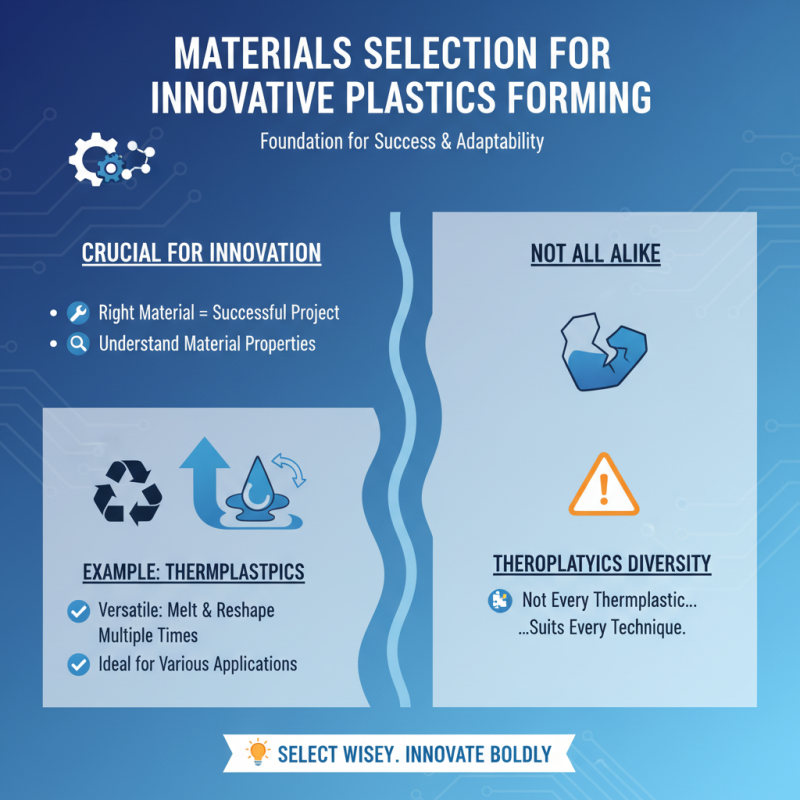
Selecting the right materials for plastic forming is crucial for innovative manufacturing. The foundation of any successful project lies in understanding the properties of the materials. For example, thermoplastics are popular due to their versatility. They can be melted and reshaped multiple times. This adaptability makes them ideal for various applications. However, not all thermoplastics are suitable for every technique.
The choice of material also impacts the final product's performance. Certain plastics can be brittle, leading to issues in high-stress environments. In contrast, others may lack the rigidity required for structural components. It is essential to test different materials before committing to a design. This step often reveals unpredicted challenges. For instance, a favored plastic may warp during the molding process.
Reflection is key in material selection. What works well in theory might fail during actual use. Manufacturers should engage in continuous learning. Gathering feedback from production can improve future choices. Developing a nuanced understanding of each material's strengths and weaknesses is vital. This approach fosters innovation and leads to better outcomes in plastic forming techniques.
Mastering plastic forming techniques requires understanding advanced tools and technologies. Precision is key in manufacturing processes, impacting quality and efficiency. In this realm, various equipment plays a crucial role. For instance, CNC machines offer high accuracy in cutting and shaping plastics. Additionally, 3D printing technologies provide innovative solutions for complex designs.
However, not all tools are perfect. Operators may encounter challenges with calibration and maintenance. This often leads to inconsistencies in product quality. Regular training is essential. Knowledge of new techniques and equipment can significantly enhance precision. Innovations in materials also demand continuous adaptation in processes.
Adopting advanced methodologies can elevate production capabilities. Techniques such as injection molding and blow molding are often employed for varied applications. Yet, relying solely on technology can be a pitfall. Human expertise remains invaluable. Balancing automation with skilled labor ensures better troubleshooting and creativity in problem-solving.
Quality control in plastic forming processes is crucial for achieving excellence in manufacturing. According to a recent industry report, up to 40% of production defects arise from poor quality control practices. Implementing best practices can significantly reduce these issues and enhance product reliability. For instance, consistent monitoring of temperature and pressure during the forming process can prevent material deformation. Additionally, maintaining proper tooling is essential, as worn tools can lead to inconsistencies in product shape and dimensions.
Regular inspection and testing are vital for identifying defects early. A study published by Plastics Technology highlighted that using non-destructive testing methods can detect flaws without damaging the product. Training staff on proper inspection techniques is equally important. A skilled workforce can recognize subtle defects that automated systems might miss.
Despite advancements, challenges remain in standardizing quality control across various production lines. Variability in raw materials continues to pose risks. Implementing a robust quality management system can mitigate these risks. Yet, achieving total harmony in processes demands continuous effort and reflection. Regularly revisiting protocols can lead to improvement and innovation.