China Top 10 Plastic Supply Manufacturers You Need to Know?
In recent years, the global demand for plastic supply has surged dramatically. According to a report by Statista, the worldwide plastic market size reached approximately $570 billion in 2021 and is projected to grow at a CAGR of about 4% from 2022 to 2029. This rapid expansion underscores the significance of reliable manufacturers in the plastic industry. China, as a leading player, is home to numerous manufacturers that excel in quality and innovation.
Assessing the best manufacturers in China can be challenging due to the vast number of companies. Various factors come into play, including production capacity, technological advancements, and sustainability practices. For example, many top manufacturers are implementing eco-friendly processes to address growing environmental concerns. This shift is crucial in light of recent findings that packaging waste contributes to over 40% of plastic pollution, emphasizing the need for responsible supply chains.
Highlighting the top 10 plastic supply manufacturers can provide invaluable insights. This information can guide businesses in making informed decisions. However, it is essential to consider each manufacturer's track record, market reputation, and adherence to industry standards. Approaching this evaluation with a critical mindset allows companies to select partners that can drive both profitability and sustainability in the long run.
Overview of the Plastic Manufacturing Industry in China
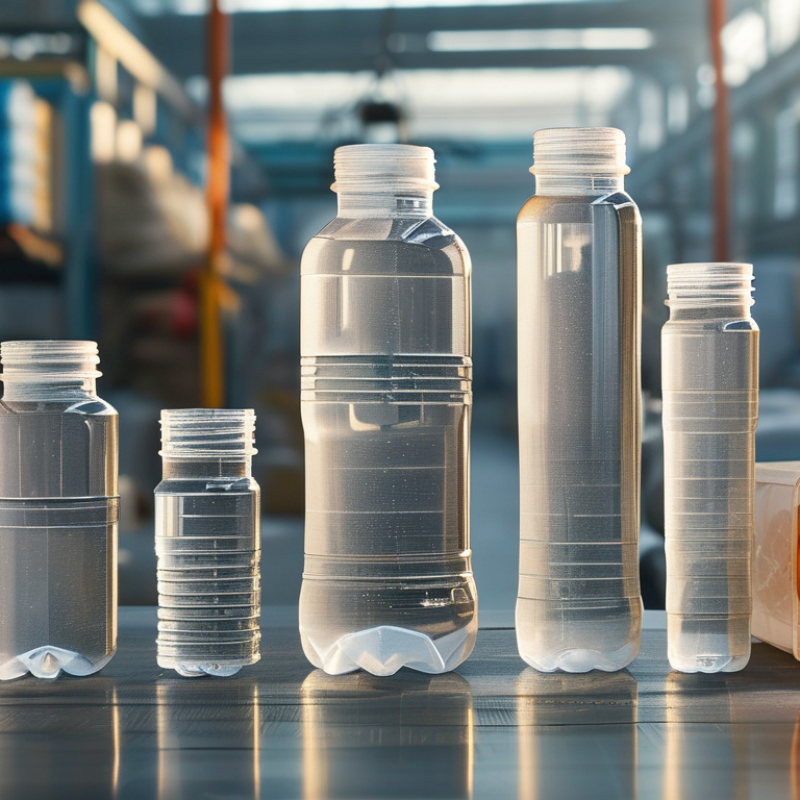
The plastic manufacturing industry in China plays a crucial role in the global supply chain. China has become the largest producer and consumer of plastics. The sector includes various ranges such as packaging, automotive parts, and household items. This industry's growth reflects economic development and increasing demand for plastic products worldwide.
One challenge in the plastic sector is environmental impact. Many manufacturers struggle to balance production with sustainable practices. Innovative solutions are needed to reduce plastic waste. Companies should focus on recycling and using biodegradable materials. Consumers also play a role by choosing products made from recycled components.
Tips for manufacturers: Embrace new technologies to improve efficiency. Regularly assess your supply chain for potential waste. Collaborate with local communities to promote recycling and environmental initiatives. These strategies not only enhance brand reputation but also contribute to a healthier planet.
Key Factors Driving the Growth of China’s Plastic Supply Sector
The growth of China’s plastic supply sector can be attributed to several key factors. First, rapid industrialization has increased demand for plastic products across various sectors. Industries such as automotive and packaging rely heavily on affordable, durable plastic components. This trend has spurred manufacturers to invest in advanced production technologies. However, the environmental impact of plastic production is a significant concern that needs addressing.
Another driving factor is the expansion of e-commerce. With the rise of online shopping, there is a growing need for packaging materials. Plastic wraps and containers are essential for safely delivering products to customers. Despite this, the reliance on single-use plastics raises questions about sustainability. Manufacturers face pressure to innovate towards eco-friendly solutions.
Lastly, government policies play a crucial role. Support for the plastic industry, such as subsidies and tax incentives, encourages growth. But regulatory challenges exist. Stricter environmental regulations are pushing companies to adapt quicker. Balancing growth and sustainability remains a complex task. The plastic supply sector in China stands at a crossroads, where innovation and responsibility must meet.
Top 10 Plastic Supply Manufacturers in China: A Market Analysis
China's plastic supply industry is vast and diverse. It plays a significant role in the global market. According to recent data from industry reports, China's plastic production reached approximately 80 million tons in 2022. This figure highlights the country as one of the world's largest plastic producers. Manufacturing practices vary widely among companies, and quality control remains a critical concern. Many manufacturers lack standardized processes, which can lead to inconsistent product quality.
The competitive landscape shows a growing number of players. About 30% of China's plastic manufacturers are concentrated in specific regions, such as Guangdong and Jiangsu. These areas benefit from advanced infrastructure and a skilled workforce. However, environmental regulations are tightening, urging producers to innovate. Reports indicate that over 60% of manufacturers are investing in sustainable practices. Yet, some companies still struggle to adapt to these changes, impacting their market position.
The future of China's plastic supply market remains uncertain. Market analysts predict steady growth, driven by increasing demand. However, the industry must overcome challenges like fluctuating raw material prices and shifting consumer preferences. Many experts suggest that focusing on sustainability can provide a competitive edge. As the market evolves, manufacturers must rethink their strategies to maintain relevance in a rapidly changing environment.
Comparative Study of Production Capacities and Innovations
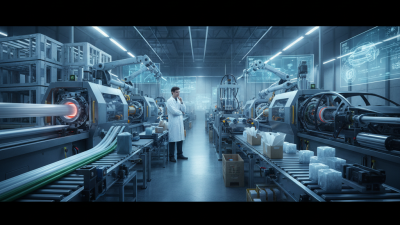
The landscape of plastic supply manufacturers in China reveals diverse production capacities. Many companies have integrated advanced technologies to enhance efficiency. These innovations lead to a competitive edge in the global market. For instance, adopting automation in production lines has reduced waste and increased output. However, not all manufacturers have embraced such technologies. Some still rely on traditional methods, which can hinder growth and sustainability.
In terms of production capacity, some manufacturers boast impressive figures, yet not all meet international standards. Quality control remains a significant challenge. Manufacturers often face scrutiny regarding the consistency of their products. While some excel in this area, others show variability that can impact client trust. This raises questions about the balance between quantity and quality in manufacturing processes. Overall, these dynamics highlight the ongoing challenges in the industry, as companies strive to innovate while maintaining reliability.
Production Capacities and Innovations in China's Top 10 Plastic Supply Manufacturers
Future Trends and Challenges in China's Plastic Supply Industry
The plastic supply industry in China is on the verge of significant transformations. Recent reports indicate the market is projected to reach $500 billion by 2025, with a compound annual growth rate (CAGR) of around 10%. Emerging technologies are altering manufacturing processes. Innovations in recycling and biodegradable materials are becoming crucial. Understanding these advancements is vital for manufacturers and consumers alike.
However, challenges persist. The industry faces issues like environmental regulations and resource scarcity. For instance, stricter policies on plastic waste are pushing manufacturers to invest in sustainable practices. A survey conducted by industry experts revealed that 65% of companies are prioritizing eco-friendly materials in product design. This shift brings complexity but also offers opportunities for growth.
Data shows that companies focusing on innovation have a significantly higher market share. Yet, the path forward is not without obstacles. Many manufacturers lack the necessary expertise to implement new technologies efficiently. Developing skills and knowledge in this area is essential for long-term success. As the industry evolves, ongoing adaptation is crucial to meet changing market demands and consumer expectations.