2026 Top Large Plastic Sheets for Global Buyers?
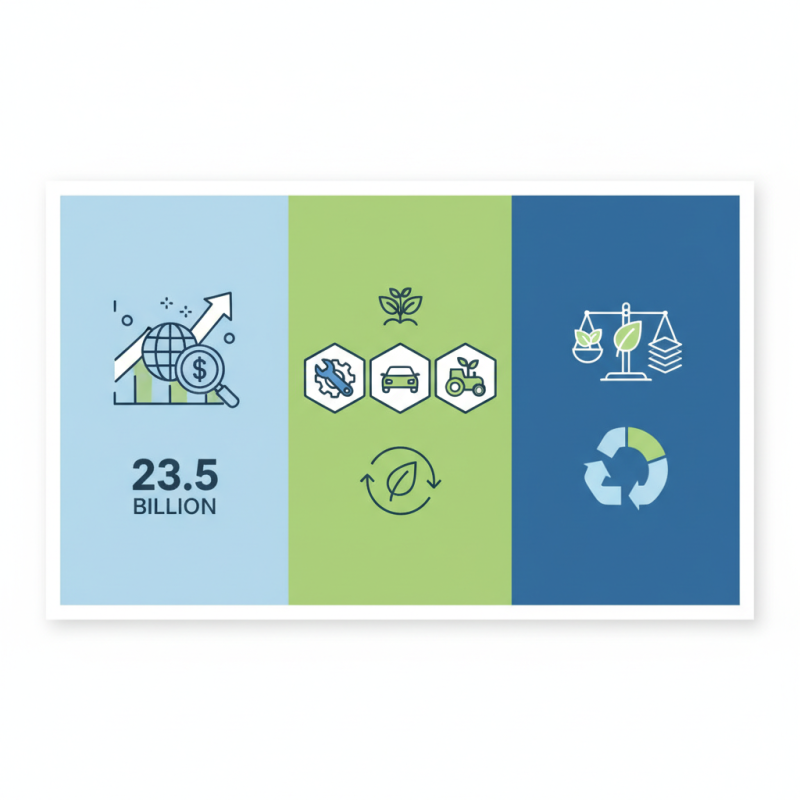
The demand for large plastic sheets continues to rise in various industries, including construction, automotive, and agriculture. According to a recent market report by Smithers Pira, the global plastic sheets market is projected to reach USD 23.5 billion by 2026. This figure underscores the growing reliance on these materials for their versatility and durability. Large plastic sheets serve a plethora of applications, from protective coverings to structural components.
Industry experts highlight trends like increased lightweight alternatives and environmental sustainability in the production of large plastic sheets. Innovations in materials, such as bioplastics, are slowly gaining traction, yet many traditional plastics persist in the market. A challenge lies in balancing these advancements with the industry's historical dependence on non-biodegradable options.
Moreover, while suppliers may tout their latest offerings, skepticism remains about longevity and recyclability. As global buyers explore their options, understanding the comprehensive advantages and limitations of large plastic sheets is critical. By evaluating industry data and developments, businesses can make informed decisions that align with their operational needs and environmental goals.
2026 Large Plastic Sheets Overview for Global Market
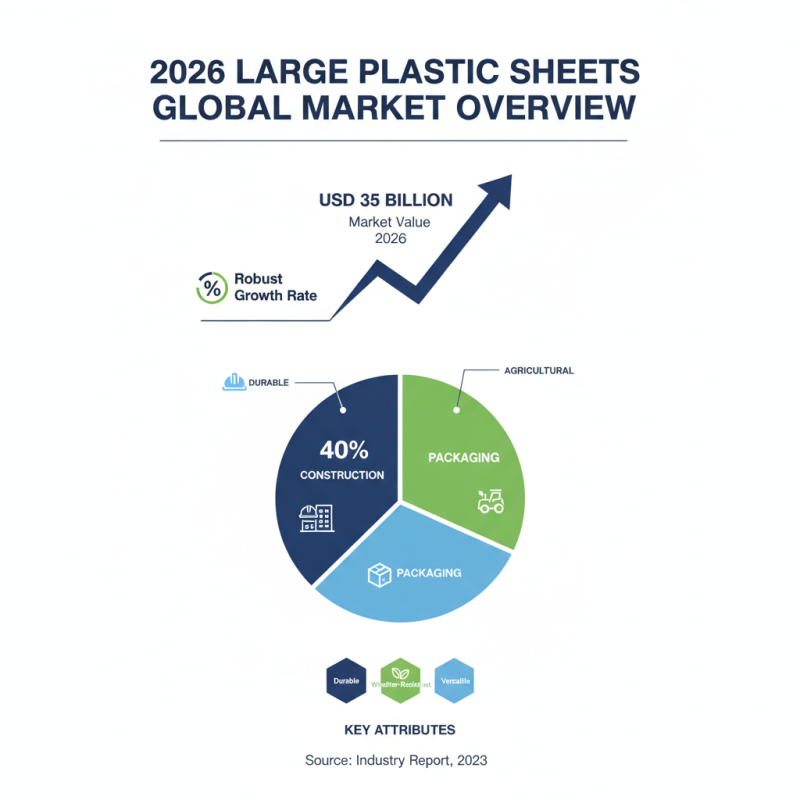
In recent years, large plastic sheets have gained significant traction in various industries. The global market is anticipated to reach USD 35 billion by 2026, reflecting a robust growth rate fueled by diverse application areas. Notably, the versatility of these sheets allows their use in packaging, construction, and agricultural settings. According to a recent report, the construction sector is expected to hold 40% of the market share, highlighting a strong demand for durable and weather-resistant materials.
The sustainability aspect also plays a critical role in shaping market trends. Manufacturers are increasingly investing in recyclable and biodegradable plastic options. This move aligns with environmental regulations and consumer preferences. Data indicates that over 25% of plastic sheet production now involves recycled materials. However, challenges remain. The high production costs of eco-friendly options could hinder wider adoption. Industry experts suggest that innovative technologies may solve this issue but emphasize the need for ongoing research.
As we look towards 2026, the competitive landscape will be pivotal. Companies must adapt to evolving market demands for customization and sustainability. While growth opportunities abound, firms should be wary of fluctuating raw material costs and global supply chain disruptions. Thorough analysis and strategic planning will be essential for success in this dynamic market environment.
Key Manufacturers and Suppliers of Large Plastic Sheets
The global market for large plastic sheets continues to grow. Recent reports indicate a compound annual growth rate (CAGR) of around 5% from 2021 to 2026. This growth reflects the increasing demand in various industries, including construction, packaging, and automotive.
Key manufacturers and suppliers play a crucial role in this dynamic landscape. They impact production volumes and pricing strategies. Many suppliers focus on sustainability. Using recyclable materials is becoming essential. This shift aligns with global trends aimed at reducing plastic waste. However, not all suppliers have adopted these practices yet. Some still rely on traditional methods, which raises concerns about environmental impact.
Furthermore, quality varies across the industry. There are reports indicating that not every supplier meets the required standards for durability and safety. Buyers often face challenges in selecting the right supplier. Consistency and transparency in sourcing are critical. Engaging with established suppliers can mitigate risks, but the landscape remains complex. As the market evolves, the importance of informed decision-making cannot be understated.
2026 Global Market Share of Large Plastic Sheets by Material Type
Common Applications of Large Plastic Sheets in Various Industries
Large plastic sheets are becoming essential across various industries, serving multiple applications. In construction, these sheets provide moisture barriers and insulation. A report from the Plastics Industry Association indicates that the global demand for plastic sheeting in construction is expected to reach 15.4 million tons by 2026. This surge stems from the need for durable and versatile building materials.
In agriculture, large plastic sheets play a crucial role in crop protection and soil management. They are used for mulching, which helps retain soil moisture and suppress weed growth. According to a recent study, approximately 40% of farmers in Europe now utilize plastic films for enhanced yields. This shift indicates a growing awareness of sustainable practices in agriculture. Yet, the long-term environmental implications of plastic use remain a concern.
Furthermore, in manufacturing, large plastic sheets serve as protective barriers and machine covers. They can reduce accidents and improve workspace efficiency. However, not all industries have adopted these materials uniformly. A survey showed that 30% of small manufacturers are hesitant, citing costs and disposal issues as key barriers. This reflects a broader challenge of balancing innovation with sustainability in the usage of plastic products.
Material Types and Specifications for Large Plastic Sheets
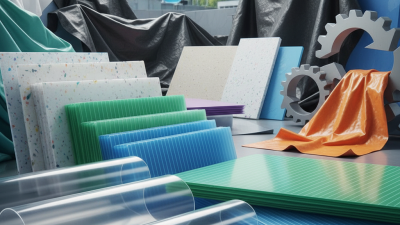
In 2026, large plastic sheets will play a crucial role in various industries. Understanding material types is vital for global buyers. They can choose from acrylic, polycarbonate, and PVC, each with unique properties.
Acrylic sheets are known for their clarity and UV resistance. They are often used in signage and displays. Polycarbonate offers impact resistance, making it suitable for safety applications. PVC is flexible and cost-effective, used in construction and packaging. According to a recent industry report, the global demand for plastic sheets is projected to grow by 4% annually through 2027.
When selecting materials, buyers need to consider specifications such as thickness and surface finish. A thickness range of 1mm to 10mm is common for large sheets. Some industries may require customized sizes and finishes. However, challenges exist. Not all suppliers guarantee product consistency, and sourcing materials can lead to quality variability. Buyers must thoroughly vet suppliers to ensure reliability and consistency in their purchases.
2026 Top Large Plastic Sheets for Global Buyers
| Material Type |
Thickness (mm) |
Width (m) |
Length (m) |
Color Options |
Applications |
| Acrylic |
3-20 |
1.22 |
2.44 |
Clear, Frosted, Colors |
Signage, Displays, Windows |
| Polycarbonate |
4-12 |
1.22 |
2.44 |
Clear, Tinted, Opal |
Roofing, Glazing, Safety Shields |
| PVC Foam Board |
3-19 |
1.22 |
2.44 |
White, Black, Colors |
Advertising, Interior Design, Model Making |
| PETG |
2-10 |
1.22 |
2.44 |
Clear, Colored, Textured |
Packaging, Displays, Protective Covers |
| HIPS |
1-6 |
1.22 |
2.44 |
White, Black, Colors |
DIY, Model Making, Vacuum Forming |
Trends and Innovations in Large Plastic Sheet Production for 2026
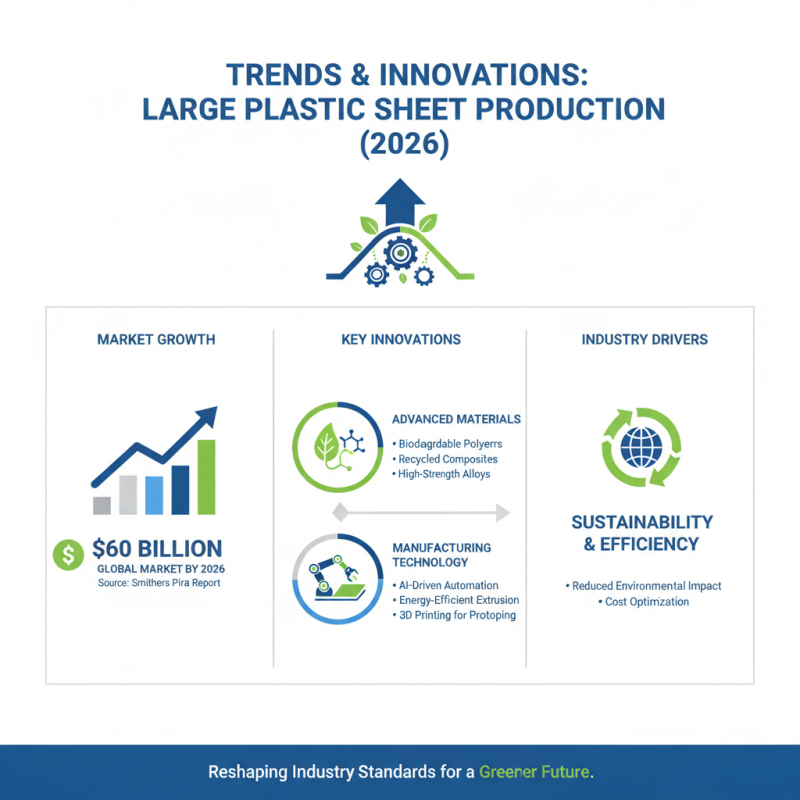
The production of large plastic sheets is evolving rapidly. In 2026, advancements in materials and technology will reshape industry standards. According to a recent report by Smithers Pira, the global market for large plastic sheets is projected to reach $60 billion by 2026. Innovations in manufacturing processes are expected to drive efficiency and sustainability, addressing growing environmental concerns.
One notable trend is the shift towards bioplastics. These materials are derived from renewable sources and promise a lower carbon footprint. The global bioplastics market is set to expand at a CAGR of 17% through 2026. While bioplastics are gaining attention, technical challenges still exist. Their properties can differ significantly from traditional plastics, impacting usability in certain applications.
Digital technologies are also making their mark. The shift to automation and AI in production lines can enhance precision and reduce waste. However, integrating new technologies requires investment and training. Companies may struggle with the transition, questioning the return on investment. Balancing innovation with reliability will remain a crucial focus as the industry looks toward the future.