Top 10 Plastic Board Manufacturers in China for Global Buyers?
The demand for plastic boards has seen a significant rise in recent years. According to a report by MarketsandMarkets, the global plastic board market is expected to reach USD 20 billion by 2025, growing at a CAGR of 4.5%. This surge is largely driven by their applications in construction, automotive, and packaging. Various manufacturers in China are stepping up to meet this demand, catering to global buyers seeking quality and cost-effective solutions.
Dr. Alice Chen, a leading expert in polymer engineering, emphasizes the importance of quality in plastic board production. She states, "Choosing the right manufacturer can significantly impact the performance and longevity of plastic boards." Her expertise sheds light on the critical nature of selecting reliable suppliers, as quality variance can affect application outcomes.
However, finding the ideal manufacturer isn't always straightforward. Buyers face challenges such as inconsistent product quality and varying standards in manufacturing practices. These issues underline the necessity for due diligence in sourcing. In this guide, we explore the top 10 plastic board manufacturers in China, providing insights to help global buyers navigate the complexities of this evolving market.
Overview of the Plastic Board Manufacturing Industry in China
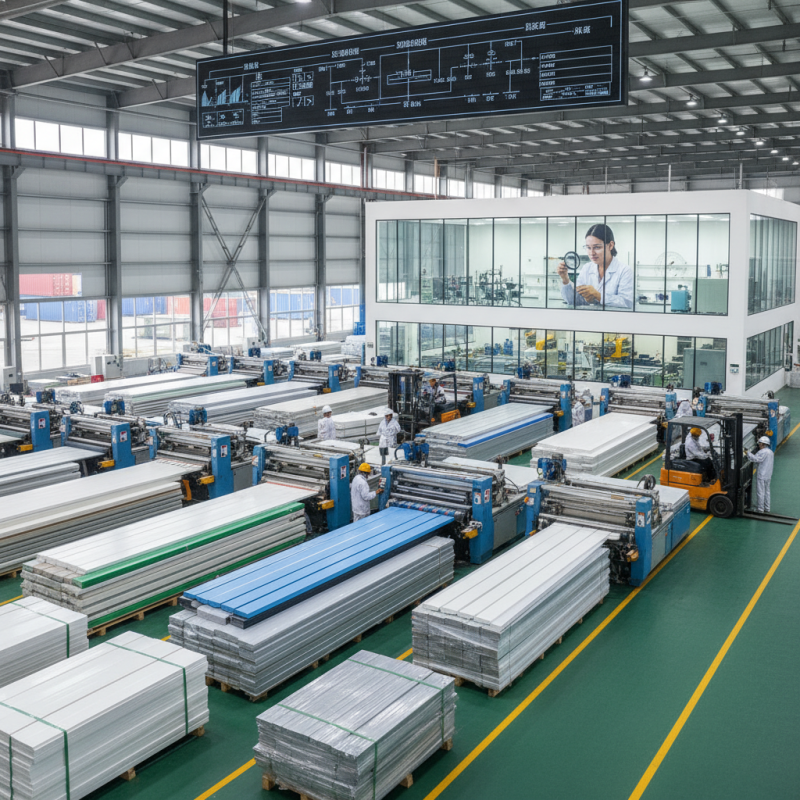
The plastic board manufacturing industry in China has seen significant growth in recent years. This sector caters to diverse applications, from construction to furniture. The rise in demand for lightweight, durable materials has propelled the industry's expansion. Many manufacturers are now focused on sustainable production methods, aiming to reduce environmental impact.
Despite the growth, challenges persist. Quality control remains a crucial concern. Some manufacturers struggle to maintain consistent product standards. This variability can lead to customer dissatisfaction and impact the industry's reputation. Companies must invest in better quality assurance practices to address these issues effectively.
Innovation plays a vital role in shaping the future of plastic board manufacturing. Research and development efforts are essential for creating new materials. Manufacturers are exploring bioplastics and composite materials to meet market needs. However, the transition to these new products requires time and investment. Continuous adaptation will be necessary for companies to stay competitive and responsive to global market demands.
Market Share of Plastic Board Manufacturers in China
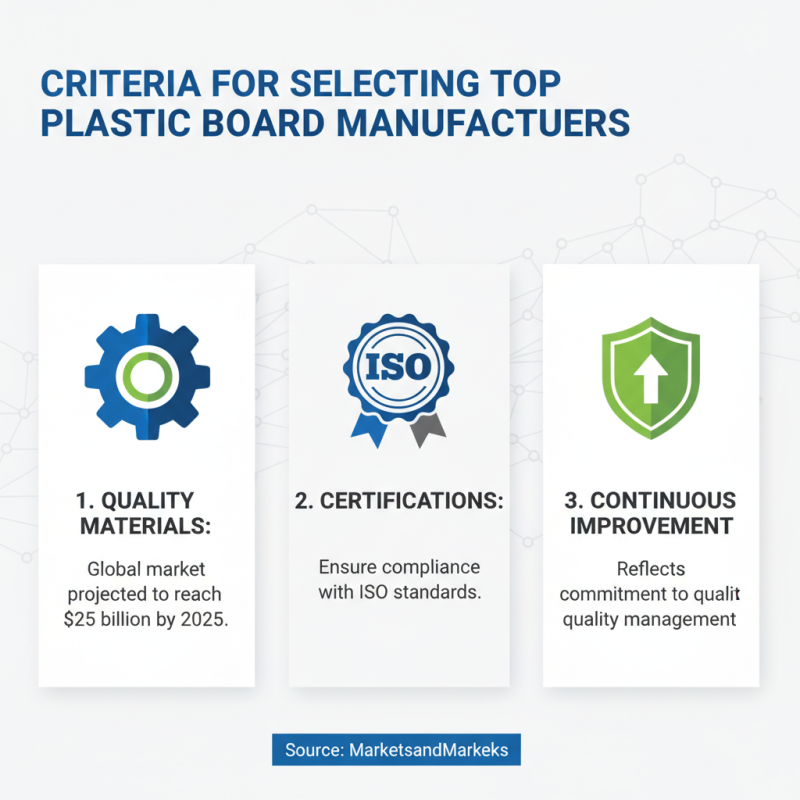
Criteria for Selecting Top Plastic Board Manufacturers
When selecting a plastic board manufacturer, several criteria are critical. Quality is paramount. An industry report from MarketsandMarkets indicates that the global plastic board market is projected to reach USD 25 billion by 2025, showcasing the demand for high-quality materials. Buyers often overlook the importance of certifications. Ensure manufacturers comply with ISO standards. This reflects their commitment to quality management and continuous improvement.
Cost is another vital aspect. Lower prices may seem appealing, but they could indicate subpar materials. A report from Statista shows that premium manufacturers often produce more durable products, saving costs in the long run. Assessing the manufacturer’s production capacity is essential too. A reliable supplier can meet high volume demands without compromising quality.
**Tips:** Always request samples before finalizing orders. This helps gauge the material's quality. Also, consider a manufacturer's lead times. Delays can disrupt your supply chain. Regular communication with suppliers can reveal their responsiveness and reliability. Pay attention to customer reviews, as these can provide insights into potential issues.
Profiles of Leading Plastic Board Manufacturers in China
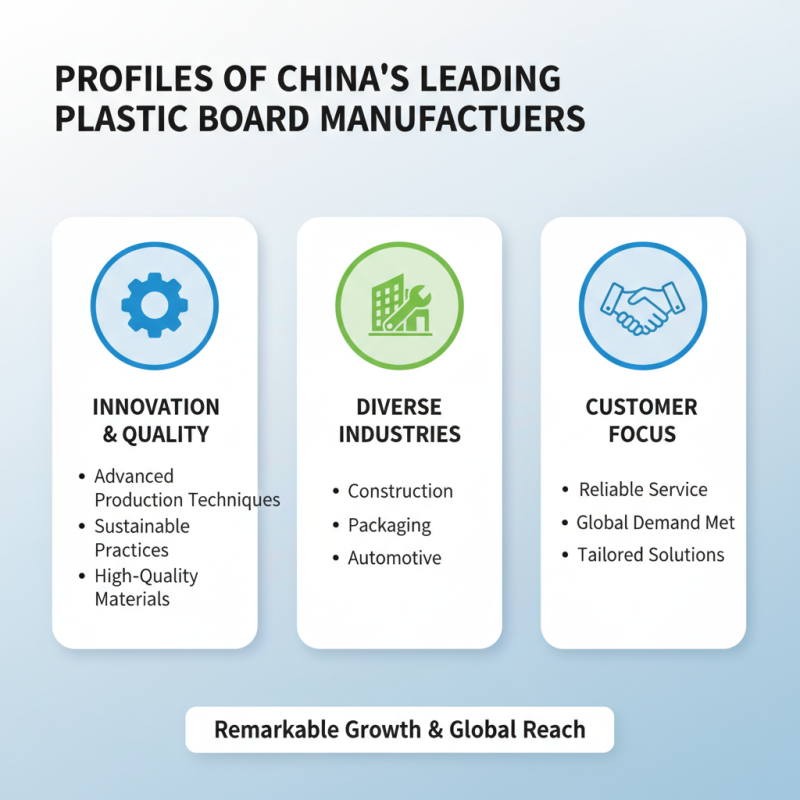
China's plastic board manufacturing industry has seen remarkable growth. Several manufacturers stand out for their innovation, quality, and customer service. These companies cater to diverse industries, including construction, packaging, and automotive. They use advanced production techniques and sustainable practices to meet global demand.
Some manufacturers specialize in custom solutions, offering tailored products to meet specific customer requirements. Their commitment to quality is evident in their certifications and rigorous testing processes. However, not all manufacturers consistently maintain high standards. This inconsistency can lead to challenges in product performance and customer satisfaction. Buyers should conduct thorough research to identify reliable partners.
Another aspect to consider is the evolving market trends. The shift towards sustainable materials has pushed many companies to adapt. Some have integrated recycled materials into their production lines. As a result, it becomes essential for buyers to evaluate each manufacturer’s sustainability efforts. Understanding their processes can impact long-term relationships and success in the market.
Insights into the Global Demand for Plastic Boards
The global demand for plastic boards is on the rise. Industries are increasingly utilizing these versatile materials for various applications. This includes construction, signage, and packaging. Their lightweight nature and durability make plastic boards appealing in numerous sectors.
Manufacturers in China play a crucial role in meeting this demand. Their production capabilities enable them to supply various types of plastic boards. However, not all manufacturers meet quality standards. Quality control can be inconsistent, leading to variable product performance. Buyers should prioritize working with manufacturers that have robust quality assurance processes.
Sustainability is a growing concern in the industry. Many plastic board manufacturers are exploring eco-friendly materials. Yet, the challenge remains in balancing cost and environmental impact. Buyers should be vigilant and consider these aspects while sourcing their materials. They must reflect on the long-term implications of their choices.
Future Trends in Plastic Board Production and Supply Chain
The future of plastic board production is evolving rapidly. As global demand increases, manufacturers are adopting new technologies. Innovations in materials and processes are at the forefront. Many companies are turning to sustainable practices. Using recycled plastics can reduce waste and lower costs.
Supply chain dynamics are also changing. The rise of e-commerce necessitates faster delivery. Manufacturers are investing in local production sites to improve logistics. This shift can make supply chains more resilient. However, it also presents challenges in quality control and standardization. Balancing speed and quality remains a key concern.
Additionally, market trends indicate a growing need for customization. Buyers are seeking more unique products. This trend can strain traditional manufacturing methods. Adapting to this demand requires agility and innovation. Companies must remain flexible to thrive in this competitive landscape. They need to reflect on their strategies continuously.