Top 10 Uses for Thick Plastic Roll in Global Industries?
In the rapidly changing world of industry, the versatility of thick plastic roll has gained significant attention. Industry expert Dr. Linda Keller states, "Thick plastic rolls are redefining packaging across multiple sectors." This highlights the expansive utility of this material in global markets.
From construction to agriculture, thick plastic rolls serve various essential functions. They provide protection, enhance transportation efficiency, and contribute to sustainability efforts. Their durability and adaptability make them prime materials for different uses. However, the reliance on plastic raises questions about environmental impacts and recycling practices.
Embracing the benefits of thick plastic rolls requires a balance of innovation and responsibility. Industries must consider the lifecycle of their materials and the footprint they leave behind. The future of thick plastic rolls hinges on sustainable practices, with continuous improvements needed. By addressing these challenges, industries can thrive while minimizing environmental harm.
Top 10 Uses for Thick Plastic Roll in Global Industries
Thick plastic rolls have gained immense popularity across various global industries. Their versatility is remarkable. From packaging to construction, these materials serve critical functions. The global plastic film market size was valued at approximately $110 billion in 2020 and is projected to reach around $150 billion by 2026. This growth reflects a rising demand for effective packaging solutions.
In the agricultural sector, thick plastic rolls are vital for crop protection. They act as greenhouses, shielding plants from harsh weather. According to research, using plastic sheeting can increase crop yields by 20-30%. However, environmental concerns arise over plastic waste. Efforts are ongoing to develop biodegradable options, but these solutions are still in early stages. The food industry also benefits from thick plastic rolls for safe storage. Their ability to keep items fresh extends shelf life significantly.
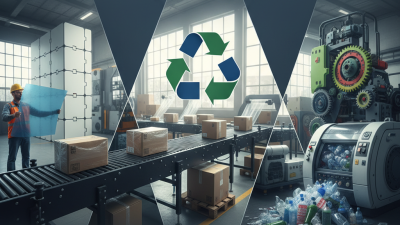
Yet, challenges persist. The recycling of thick plastics remains complex. Current technologies struggle with efficiency, leading to bottlenecks. Industry experts emphasize the importance of improving recycling rates. Transitioning towards circular economy models may offer sustainable pathways. Overall, while thick plastic rolls contribute greatly to multiple sectors, the industry must address environmental impacts and innovate continuously.
Top 10 Uses for Thick Plastic Roll in Global Industries
| Use Case |
Industry |
Description |
Benefits |
| Agricultural Covers |
Agriculture |
Used for greenhouses and crop protection. |
Helps maintain temperature and humidity. |
| Packaging Material |
Manufacturing |
Thick plastic rolls for protective packaging. |
Durable and moisture-resistant, reducing damage. |
| Construction Sheeting |
Construction |
Used for weather protection and debris control. |
Improves worker safety and site cleanliness. |
| Insulation Material |
Construction |
Used as insulation in walls and roofs. |
Enhances energy efficiency in buildings. |
| Protective Tarps |
Transportation |
Used to cover loads during transport. |
Prevents moisture and debris from damaging cargo. |
| Medical Supplies |
Healthcare |
Manufactured into surgical drapes and covers. |
Provides hygiene and sterility in medical environments. |
| Flooring Solutions |
Interior Design |
Used for protective and decorative flooring. |
Durable and easy to clean, suitable for high-traffic areas. |
| Waste Management Liners |
Environmental Services |
Used in landfill and waste containment. |
Protects soil and groundwater from contamination. |
| Signage and Display |
Advertising |
Used for outdoor signage and displays. |
Weather-resistant and highly visible. |
| Aquaculture Liners |
Farming |
Used in fish farming and pond liners. |
Provides a safe habitat for aquatic life. |
Significance of Thick Plastic Roll in Packaging Solutions Across Sectors
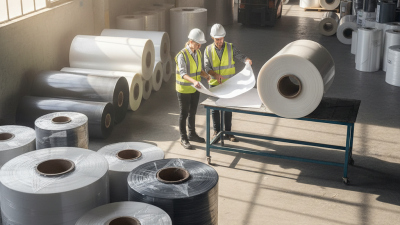
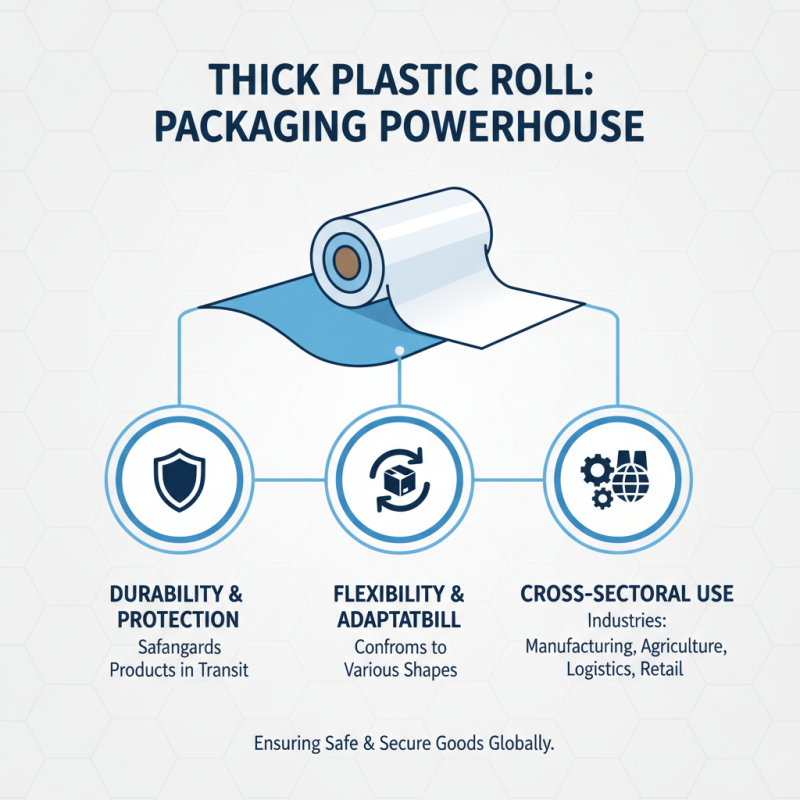
Thick plastic rolls play a vital role in modern packaging solutions across various sectors. Their durability and flexibility make them ideal for protecting products during transit. Many industries utilize these rolls to meet specific packaging needs, ensuring their goods remain safe and secure.
In the agricultural sector, thick plastic rolls are commonly used for greenhouse coverings and silage wrap. These solutions help maintain optimal moisture levels, promoting healthy crop growth. The food industry also relies on thick plastic for safe food packaging, reducing spoilage and waste. However, one challenge remains: finding eco-friendly options that do not compromise performance.
Beyond agriculture and food, thick plastic rolls serve in construction and manufacturing. They protect materials and machinery from dust and moisture. Yet, the reliance on plastic raises environmental concerns. Addressing these issues is crucial for industries to enhance sustainability. Embracing recycled or biodegradable options could be a step in the right direction.
Impact of Thick Plastic Roll in Construction and Building Industry Applications
Thick plastic rolls have emerged as essential materials in the construction and building industry. They provide robust solutions for various applications, from waterproofing to creating protective barriers. Their durability and flexibility make them ideal for both temporary and permanent installations. For example, contractors often use thick plastic rolls as vapor barriers in basements to prevent moisture damage. This application is critical for maintaining the structural integrity of buildings.
Moreover, these rolls are frequently employed as protective sheeting during renovations. They shield surfaces from dust and debris, helping to maintain cleanliness on job sites. Despite their advantages, some challenges arise in their use. For instance, ensuring proper installation can sometimes be overlooked. If not applied correctly, it may lead to issues like trapped air pockets or incomplete seals. These factors can diminish the effectiveness of the material.
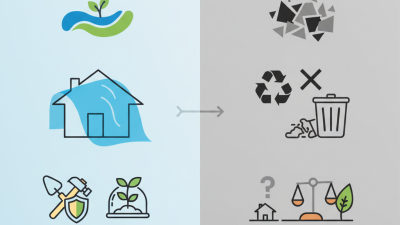
The environmental impact of thick plastic rolls also requires reflection. While they offer significant benefits, the question of disposability looms large. Ensuring that these materials are recycled or disposed of responsibly remains a pressing concern in the industry. Balancing durability with sustainability is critical as the building sector evolves.
Utilization of Thick Plastic Roll in Agriculture for Crop Protection and Management
Thick plastic rolls are increasingly vital in agriculture, especially for crop protection and management. These rolls serve multiple purposes, from greenhouse covers to row covers. They offer significant benefits, such as temperature regulation and pest prevention, which can enhance crop yield. According to a report by the Food and Agriculture Organization, using protective materials can increase yields by 30 to 50 percent in some settings.
Farmers often rely on thick plastic rolls for mulching to suppress weeds. This practice not only conserves moisture but also promotes healthier soil. A study by the Agricultural Research Service indicates that plastic mulch can result in 30% less water usage. This is crucial as drought conditions become more frequent globally. However, farmers must consider the environmental impact of plastic waste. Proper disposal and recycling strategies should be evaluated.
Tips: When using thick plastic rolls, ensure they are UV-stabilized. This feature extends their lifespan outdoors. Additionally, consider alternating crops under the plastic to maintain soil fertility. Keep up with local regulations regarding plastic use in agriculture. Adjust your practices as new guidelines emerge.
Role of Thick Plastic Roll in Manufacturing and Industrial Processing Enhancements
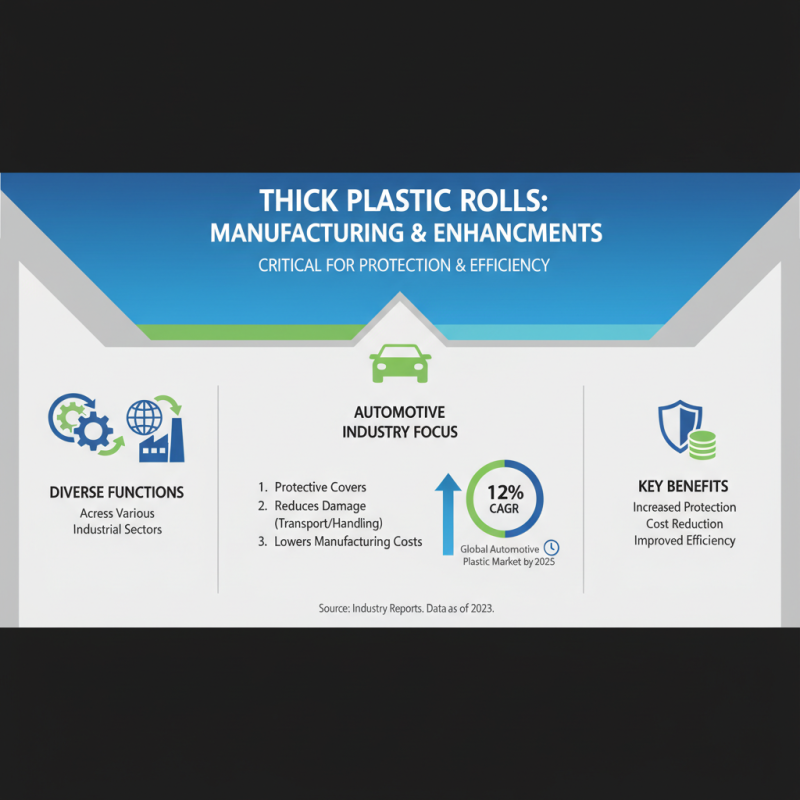
Thick plastic rolls are increasingly vital in manufacturing and industrial processing. They serve diverse functions across various sectors. For instance, in the automotive industry, these rolls are used for protective covers. This reduces damage during transportation and handling, leading to lower costs for manufacturers. According to industry reports, the global automotive plastic market is expected to grow at a CAGR of 12% by 2025, indicating a rising demand for these materials.
In packaging, thick plastic rolls enhance product safety. They provide a barrier against moisture and contaminants. Reports from the Flexible Packaging Association highlight that 78% of consumers prefer flexible packaging for its convenience and durability. This trend drives innovative uses in food preservation and pharmaceuticals. However, sustainability poses challenges. Many companies are exploring bio-based alternatives, yet current options remain limited.
Thick plastic rolls play a crucial role in industrial processing too. For example, they are instrumental in creating custom shapes for products. Reports indicate that 45% of manufacturers use these materials for prototyping. But, excessive waste and recycling issues are critical factors in the plastic industry. Addressing these concerns remains a priority for sustainable manufacturing practices. The ongoing industry shift aims to balance cost-efficiency with environmental responsibility.
Conclusion
Thick plastic roll is a versatile material with significant applications across various global industries. Its prominence in packaging solutions is vital, offering durability and protection for a wide range of products. In the construction sector, thick plastic rolls aid in moisture control and site safety, while in agriculture, they play a crucial role in crop protection and management by providing a protective barrier against pests and adverse weather conditions.
Furthermore, the manufacturing and industrial processing sectors benefit from thick plastic rolls through enhanced efficiency and product integrity. As industries increasingly focus on sustainability, the recyclability of thick plastic roll materials becomes a critical consideration, ensuring that usage aligns with environmental standards and practices. Overall, thick plastic roll serves as an essential component in improving operational outcomes across multiple sectors while addressing ecological concerns.