Discover Exciting Plastic Manufacturing Jobs at Allied Plastics

What Is a Metal Forming Machine?

A Metal Forming Machine changes metal into useful shapes through controlled force, pressure, heat, or repeated movement. Common examples include stamping presses, rolling mills, forging equipment, bending machines, and wire-drawing systems. These machines work with steel, aluminum, copper, and advanced alloys. The selected process depends on material strength, thickness, geometry, production volume, and required surface quality.

The scale of this industry is substantial. The World Steel Association reported approximately 1.89 billion tonnes of crude steel production worldwide in 2023. That volume supports continuous demand for reliable forming equipment across automotive, construction, aerospace, energy, and appliance manufacturing. Grand View Research identifies automation, digital monitoring, and precision production as important factors shaping the metal forming machinery market. The International Federation of Robotics also reported 541,302 industrial robots installed globally in 2023. This trend is changing how forming lines manage loading, inspection, and repetitive handling.

A machine is not defined by force alone. Die design, stroke length, feed accuracy, lubrication, guarding, and operator training strongly influence results. A press with impressive tonnage may still produce poor parts if alignment or material flow is wrong. That detail is often overlooked. In practical workshops, technicians watch for uneven burrs, surface marks, springback, and unusual vibration. These small signals can reveal larger process problems. This guide explains what a Metal Forming Machine does, how major machine types differ, and where engineers must evaluate safety, efficiency, maintenance, and product consistency. The definition is useful, but incomplete without real production conditions.
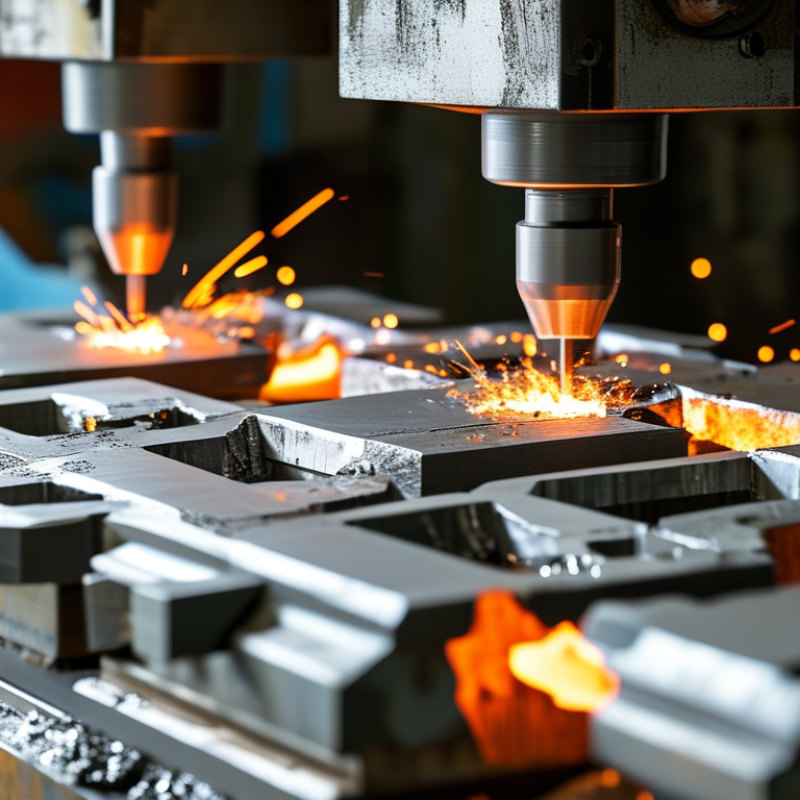
What Is a Metal Forming Machine?

Definition and Purpose of a Metal Forming Machine

What Is a Metal Forming Machine?

Definition and Purpose of a Metal Forming Machine

A metal forming machine changes the shape of metal through controlled force. It usually works without cutting away most of the material. Common operations include bending, stamping, rolling, forging, extrusion, and wire drawing. The machine may use a punch, die, roller, or forming tool. Its purpose is to create accurate parts with repeatable dimensions.

In practical manufacturing, engineers select equipment based on material type, thickness, strength, and required shape. A steel sheet may pass between rollers, while a press forces it into a shaped die. Operators also check springback, surface marks, edge cracks, and burrs. These details affect assembly later. Small errors matter.

The machine also improves production speed and consistency. Mechanical, hydraulic, and servo systems provide different levels of force and control. Proper lubrication can reduce friction and tool wear. Safety guards, sensors, and clear operating procedures are essential. A perfect-looking part may still have hidden stress. This is easy to miss. Forming is not flawless, especially when material properties vary between batches. Experienced teams measure samples, adjust settings, and question results instead of trusting appearance alone. A design that works on paper may need several practical trials.

What Is a Metal Forming Machine? - Definition and Purpose of a Metal Forming Machine

Machine Type Primary Forming Process How It Works Common Materials Typical Products Key Operating Feature
Press Brake Sheet-metal bending A punch presses sheet metal into a die to create straight or angled bends. Carbon steel, stainless steel, aluminum, copper alloys Brackets, panels, enclosures, channels Bending force and bend angle control
Mechanical or Hydraulic Press Stamping, punching, blanking, drawing A ram applies compressive force through a die to cut or shape metal sheet and blanks. Steel, aluminum, brass, copper alloys Automotive panels, washers, covers, formed containers High repeatability for die-based production
Rolling Mill Flat rolling or shape rolling Rotating rolls reduce thickness or produce a continuous cross-sectional profile. Steel, aluminum, copper, titanium alloys Sheet, plate, strip, bars, structural sections Continuous processing and controlled reduction
Tube and Pipe Bender Rotary, roll, or press bending A tube is bent around a die while tooling helps maintain the desired radius and shape. Steel, stainless steel, aluminum, copper Frames, fluid lines, handrails, exhaust components Bend radius and ovality control
Roll Forming Machine Progressive profile forming A continuous strip passes through successive roll stations that gradually create a profile. Galvanized steel, carbon steel, stainless steel, aluminum Roofing panels, channels, rails, framing sections Efficient high-volume production of long profiles
Forging Press or Hammer Bulk deformation forging Compressive force reshapes a heated or, in some cases, cold metal billet between dies. Steel, aluminum, titanium, nickel-based alloys Shafts, connecting rods, bolts, aircraft fittings Improved grain flow and high structural strength
Extrusion Press Metal extrusion A billet is forced through a die opening to produce a continuous profile with a fixed cross-section. Aluminum, copper, steel, magnesium alloys Channels, heat sinks, window frames, tubes Complex cross-sections with consistent dimensions
Wire Drawing Machine Drawing and diameter reduction Wire is pulled through one or more dies to reduce its diameter and increase its length. Steel, copper, aluminum, nickel alloys Wire, cable conductors, springs, fine rods Dimensional accuracy and surface finish
Spinning Machine Rotary sheet forming A tool progressively presses a rotating metal blank over a mandrel to create an axisymmetric shape. Aluminum, stainless steel, mild steel, copper Cones, hemispheres, reflectors, cylindrical components Suitable for round parts and flexible production volumes

Note: A metal forming machine changes the shape, size, or profile of metal primarily through controlled force, pressure, or plastic deformation, usually without removing material.

Main Types of Metal Forming Machines

What Is a Metal Forming Machine?

Main Types of Metal Forming Machines

A metal forming machine reshapes sheet, bar, tube, or billet through force. It usually cuts less material than machining. In a working shop, press capacity, die clearance, lubrication, and material strength decide the result. Small errors can create wrinkles, cracks, or springback.

Mechanical and hydraulic presses handle stamping, punching, deep drawing, and bending. Mechanical presses suit fast, repeated strokes, while hydraulic presses provide controlled pressure for deep forming. Rolling mills reduce thickness between rotating rolls. Forging machines compress heated or cold metal between dies. Extrusion presses push billets through shaped openings, producing long profiles. Tube drawing machines pull hollow sections through dies for tighter dimensions.

The equipment choice depends on volume, geometry, tolerances, and energy use. Grand View Research estimated the global metal forming machine tools market at about USD 14.8 billion in 2023, with steady growth projected through 2030. MarketsandMarkets reported a different 2023 estimate because its scope includes additional forming equipment. The difference matters. Market numbers are not perfectly comparable.

For thin automotive panels, stamping presses offer speed and repeatability. For structural parts, forging improves grain flow and strength. Rolling supports large-volume sheet production. Operators still need to inspect die wear, surface marks, and dimensional drift. Automation helps, but it cannot replace process judgment. A capable engineer checks the material certificate and trial part before approving production.

How Metal Forming Machines Work

What Is a Metal Forming Machine?

How Metal Forming Machines Work

A metal forming machine changes solid metal into a planned shape through controlled force. It may bend, press, roll, stretch, or draw the material. The metal usually remains solid during this process. That distinction matters. Unlike cutting equipment, forming machines reshape metal while preserving most of its volume. Common systems include a frame, drive mechanism, forming tool, worktable, and control unit.

The process begins with a drawing, material specification, and suitable tooling. An operator places the workpiece against stops or inside a die. The machine then applies force through a punch, roller, ram, or forming head. Pressure must follow a measured path. Too little force leaves an incomplete shape. Too much force can cause cracks, thinning, springback, or permanent tool damage. In bending, the metal often tries to return slightly after pressure stops. Skilled operators compensate for this movement through angle adjustments and test pieces.

Material thickness, hardness, grain direction, and temperature all affect the result. A steel sheet may require different settings from aluminum, even when both have similar dimensions. In practical work, clean surfaces and accurate alignment make a visible difference. Small errors can become large at production speed. I have found that setup checks are rarely wasted time, although they can feel slow. Machine displays also deserve caution; a correct number does not guarantee a correct part. Operators still need measurements, visual inspection, and documented maintenance. Guards, emergency controls, and approved procedures protect people around moving tooling.

Materials and Manufacturing Processes

What Is a Metal Forming Machine?

Materials and Manufacturing Processes

A metal forming machine reshapes solid metal through pressure, heat, or controlled movement. It may roll, forge, stamp, bend, draw, or extrude sheet and bar stock. Unlike cutting equipment, it preserves most of the material. The process depends heavily on composition, thickness, temperature, and ductility. The World Steel Association reported approximately 1.89 billion tonnes of crude steel production in 2023. That scale explains why forming efficiency matters across construction, transport, and industrial equipment.

Steel, aluminum, copper, and titanium behave differently under load. Steel usually tolerates high forming forces, while aluminum needs careful control of springback and cracking. The International Aluminium Institute recorded about 70.6 million tonnes of primary aluminum production in 2023. Common processes include cold rolling for accurate thickness, hot forging for strong components, and stamping for repeatable sheet-metal parts. Each method requires suitable dies, lubrication, clearance, and machine capacity.

On the shop floor, operators watch for wrinkled edges, surface scoring, burrs, and uneven springback. A die that looks acceptable may still create hidden stress. Grain direction also changes bending results. Real production rarely follows laboratory assumptions perfectly. That deserves reflection. A faster press cycle can increase output, yet it may shorten die life or reduce dimensional stability. Reliable decisions combine material certificates, forming-force calculations, trial runs, and inspection data from the finished part.

Representative Yield Strength of Metals Used in Forming

Yield strength indicates the stress at which a metal begins to deform permanently. Materials with higher yield strength generally require greater forming force and more robust tooling. Values shown are representative room-temperature figures and can vary with alloy condition, thickness, and heat treatment.

Applications and Selection Considerations

What Is a Metal Forming Machine?
Applications and Selection Considerations

A metal forming machine changes sheet, plate, tube, or billet through controlled force. Common processes include stamping, bending, rolling, drawing, and forging. The machine may use a hydraulic, mechanical, or servo-driven system. Its suitability depends on the material, thickness, geometry, and required production volume. According to the World Steel Association’s 2024 statistics, global crude steel production reached about 1.89 billion tonnes in 2023. That scale supports demand for reliable forming equipment across automotive, construction, appliance, and energy manufacturing.

Selection should begin with the part, not the machine brochure. Calculate forming force from material strength, thickness, bend length, and tooling geometry. Check stroke, daylight, bed dimensions, repeatability, and maximum working speed. A machine with excessive capacity can waste energy and floor space. A smaller model may produce unstable parts or shorten tool life. The International Federation of Robotics reported 541,302 industrial robot installations worldwide in 2023. This growth makes automation compatibility important, especially for loading, unloading, inspection, and traceability.

Energy use also deserves attention. Compare rated power with actual duty cycles, standby consumption, and maintenance requirements. Confirm access to spare parts, operator training, and diagnostic support. Safety systems should reflect ISO 12100 and ISO 13849-1 principles. Guarding matters. So does recovery after a fault. In practice, production teams sometimes overvalue speed and undervalue setup time. That is a costly mistake. A careful trial using real material and tooling can reveal springback, surface marking, or alignment problems before installation. The perfect specification rarely exists. Good selection is often a controlled compromise.