What is White Plastic Sheeting and Its Common Uses?
White plastic sheeting is an essential material in various industries. It serves many purposes, from construction to agriculture. According to a recent market report, the global demand for plastic sheeting reached over 5 million tons in 2022. This figure highlights the importance of materials like white plastic sheeting.
Its versatility is impressive. In construction, it acts as a moisture barrier and protects surfaces. In agriculture, it helps regulate temperature and moisture for crops. Yet, the environmental impact of plastic is a concern. Many companies are now exploring more sustainable options. While white plastic sheeting remains popular, the industry faces a pivotal challenge: balancing utility with environmental responsibility.
As the market evolves, it is crucial to consider both benefits and drawbacks. Using white plastic sheeting can lead to practical solutions, but reliance on plastic might not be sustainable long-term. Industry professionals must reflect on these complexities and seek innovative alternatives that meet environmental standards.
What is White Plastic Sheeting?
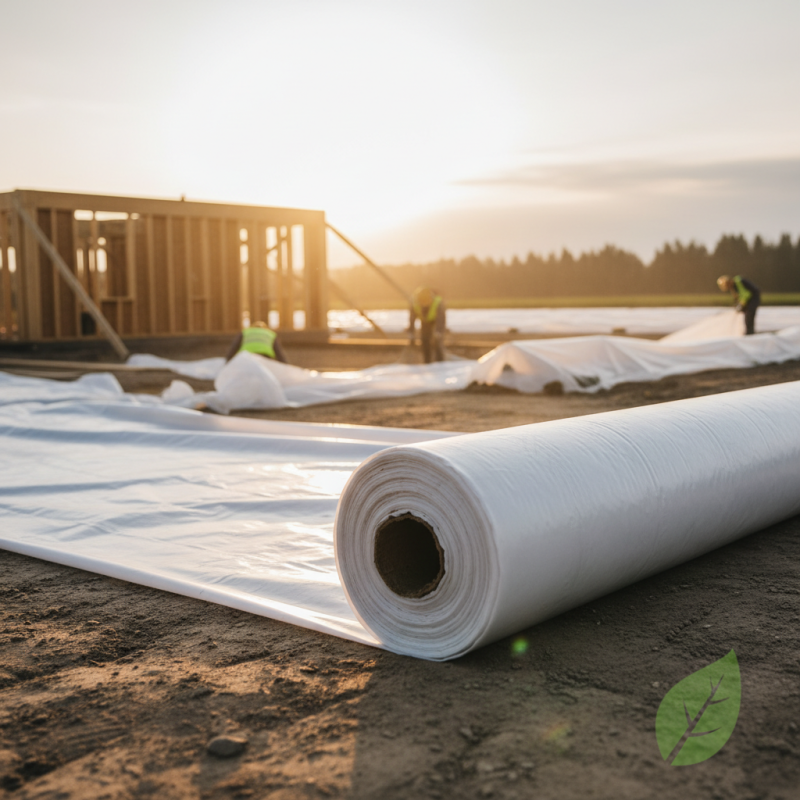
White plastic sheeting is a versatile material used widely in various applications. Typically made of polyethylene, it is lightweight yet durable. This type of sheeting is available in a range of thicknesses, from thin films to heavy-duty options. Its white color reflects sunlight, making it ideal for greenhouse applications. Moreover, it provides protection from UV rays, moisture, and dust.
Tips: When using white plastic sheeting, always check for the thickness you need. A thicker sheet is more resilient but can be harder to handle. Depending on your project, a thinner option might suffice.
Common uses include agriculture, construction, and DIY projects. In gardening, white plastic covers can warm soil, promoting plant growth. Construction workers often use it to shield materials from weather damage. For home improvement, it serves as a moisture barrier.
Sometimes, it might tear or degrade under extreme conditions. Regular inspection is vital. If you notice signs of wear, replace it to maintain effectiveness. On occasions, the decision on thickness can lead to hesitation. Experiment with different options to find what works best for your task.
What is White Plastic Sheeting and Its Common Uses?
| Use Case |
Description |
Thickness (mil) |
Applications |
| Ground Cover |
Used to suppress weed growth and retain soil moisture. |
6 |
Gardens, Landscaping |
| Construction Barrier |
Acts as a barrier to dust and debris in construction sites. |
4 |
Building Renovations, Site Management |
| Temporary Cover |
Provides protection for outdoor objects from weather. |
10 |
Furniture, Vehicles |
| Greenhouse Lining |
Used to cover greenhouses, allowing light transmission. |
8 |
Agriculture, Horticulture |
| Moisture Barrier |
Prevents moisture from penetrating materials. |
6 |
Basements, Crawl Spaces |
Composition and Characteristics of White Plastic Sheeting
White plastic sheeting, often made from polyethylene, shows remarkable durability and versatility. Its composition primarily includes high-density and low-density polyethylene, which contribute to its strength and flexibility. According to industry reports, the thickness of this sheeting can vary from 0.5 to 10 mils, influencing its applications and resistance to wear. This material is often UV-resistant, making it suitable for outdoor usage.
Common uses of white plastic sheeting include construction, agriculture, and packaging. In construction, it acts as a vapor barrier and moisture control, essential for maintaining structural integrity. In agriculture, it enhances soil warmth and inhibits weed growth, leading to improved yields. However, industry data suggests that improper use can lead to issues such as reduced airflow or overheating in greenhouses. The environmental impact of plastic waste remains a critical consideration. While effective, reliance on plastic sheeting raises questions regarding sustainability, prompting the need for alternative materials.
Common Applications in Construction and Renovation
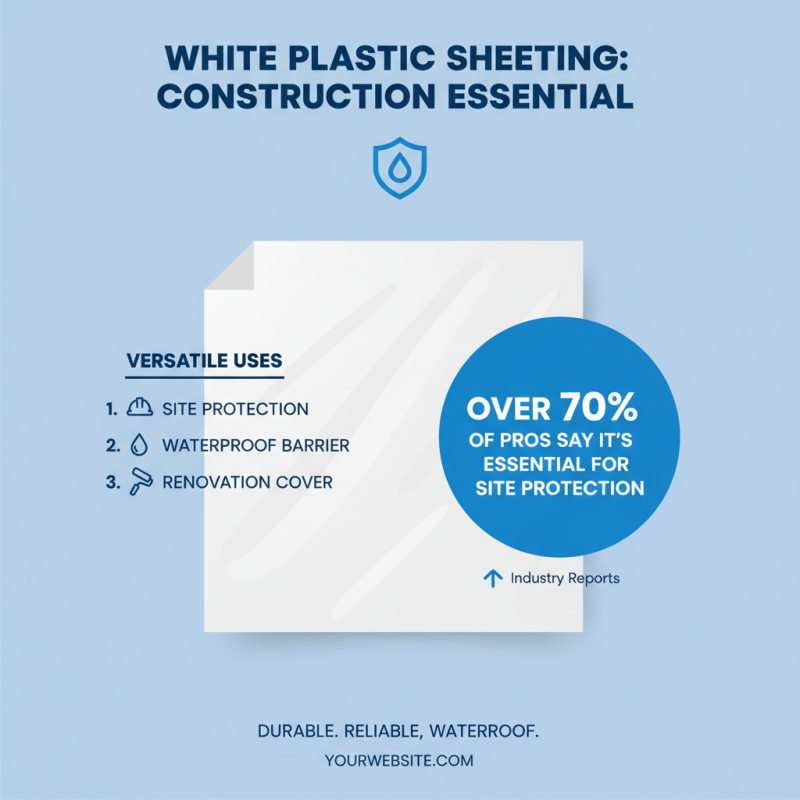
White plastic sheeting is a versatile material widely used in construction and renovation. This durable option serves multiple purposes due to its waterproof properties. According to industry reports, over 70% of construction professionals consider plastic sheeting essential for site protection.
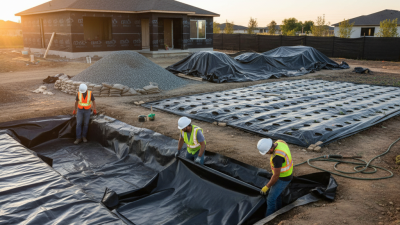
In construction, it acts as a windbreak and moisture barrier. Contractors often use it to cover materials and prevent water damage. In renovation projects, white plastic sheeting helps contain dust and debris. It can partition off work areas effectively, ensuring cleaner environments for occupants. Using it can reduce cleanup time significantly, a factor many overlook.
However, it's crucial to recognize that using plastic sheeting has its downsides. Some workers report the material can becoming slippery when wet, posing safety risks. Others raise concerns about improper disposal after use. Without proper recycling, discarded sheeting contributes to plastic waste. Addressing these issues is vital for sustainable practices in the industry. Thus, while white plastic sheeting is invaluable, using it responsibly requires attention and thought.
Uses in Agriculture and Horticulture
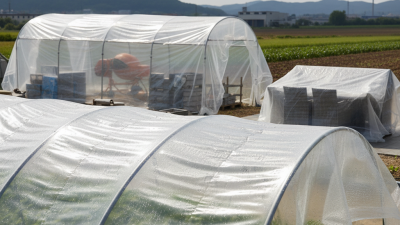
White plastic sheeting plays a significant role in agriculture and horticulture. This versatile material is popular for its durability and effectiveness in various applications. Farmers often use it as a ground cover. It helps to suppress weeds and retain soil moisture. Moreover, the white surface reflects sunlight, which prevents overheating in the soil.
In greenhouses, white plastic sheeting helps create an optimal growing environment. It diffuses light, ensuring even distribution throughout the space. This can enhance plant growth and yield. Additionally, it reduces the need for additional shading, which can be costly. However, it's important to consider maintenance. Over time, wear and tear can impact its effectiveness.
Farmers sometimes overlook the need for regular checks. Cracks and tears can lead to issues with humidity and pests. Addressing these concerns is crucial for maximizing productivity. Using white plastic sheeting effectively requires careful planning and monitoring. Each agricultural setup is different, so adaptations may be necessary. Balancing these factors leads to a more sustainable practice.
Common Uses of White Plastic Sheeting in Agriculture and Horticulture
Benefits of Using White Plastic Sheeting in Various Scenarios
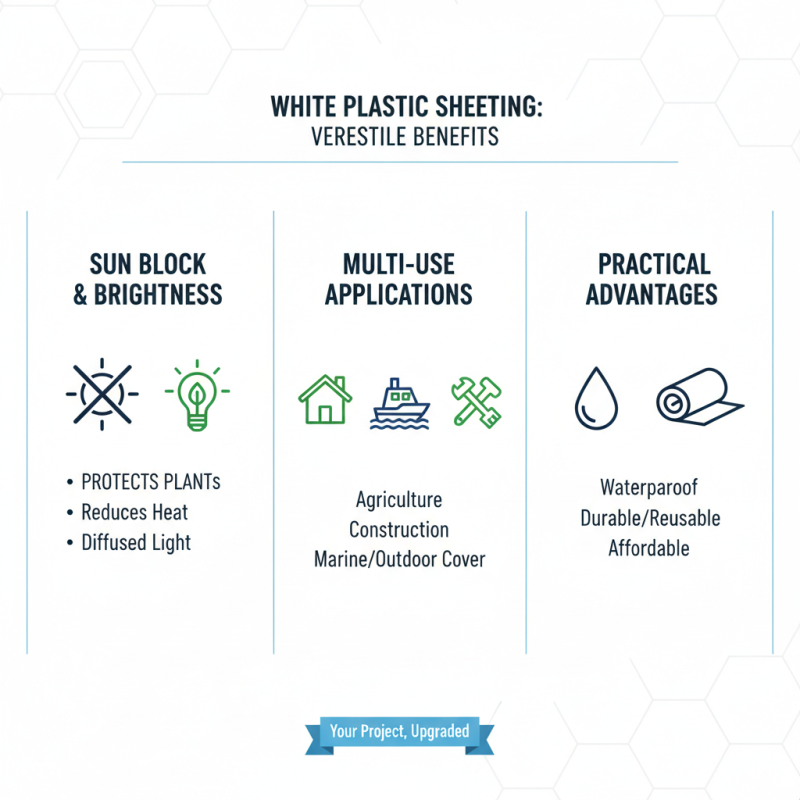
White plastic sheeting is versatile and widely used in many applications. It offers a range of benefits that make it a practical choice for various projects. For instance, it can effectively block sunlight while providing a clean and bright environment. This is essential for gardeners who want to protect their plants from overheating.
In construction or renovation, white plastic sheeting serves as a temporary barrier. It shields spaces from dust and debris, keeping work areas cleaner. However, some people overlook proper installation. If not secured well, it can tear easily, reducing its effectiveness. Paying attention to detail during setup can greatly enhance the outcomes.
In agricultural settings, white plastic helps in controlling soil temperature. The material reflects sunlight, allowing crops to thrive. But relying solely on this sheeting might lead to overdependence. It's essential to consider other methods for optimal results in farming. Despite its advantages, there is room for improvement in understanding its limitations.