What Is the Best China Polypropylene Plastic Supplier?
What Is the Best China Polypropylene Plastic Supplier?
Choosing the best China polypropylene plastic supplier requires more than comparing quoted prices. Product consistency, technical support, export experience, and transparent documentation matter equally. A low price can become expensive when pellets vary in melt flow, color, or impact strength.
Industry data supports this careful approach. Mordor Intelligence identifies packaging as a major application in China’s polypropylene market, while automotive and construction continue supporting demand. S&P Global Commodity Insights also reports that China’s expanding polypropylene capacity is reshaping regional supply patterns. More capacity does not automatically mean better quality.
Look closely.
A reliable supplier should explain resin grades, additives, testing methods, and production controls. For example, a packaging manufacturer may need stable MFR results across every batch. An injection molder may require precise impact performance at different temperatures. These requirements should appear in the technical data sheet, not only in a sales message.
The supplier’s evidence matters. Ask for recent COA samples, ISO 9001 certification, factory photographs, and application references. Confirm whether testing follows recognized standards such as ASTM or ISO methods. Independent verification remains valuable, especially when factory claims sound unusually perfect.
There is no universal “best” supplier. The right choice depends on application, volume, compliance needs, and delivery expectations. Even experienced buyers can overlook small details, such as moisture-resistant packaging or container loading practices. A practical evaluation should compare samples, documentation, responsiveness, and total landed cost before signing a long-term agreement.
What Is a China Polypropylene Plastic Supplier?
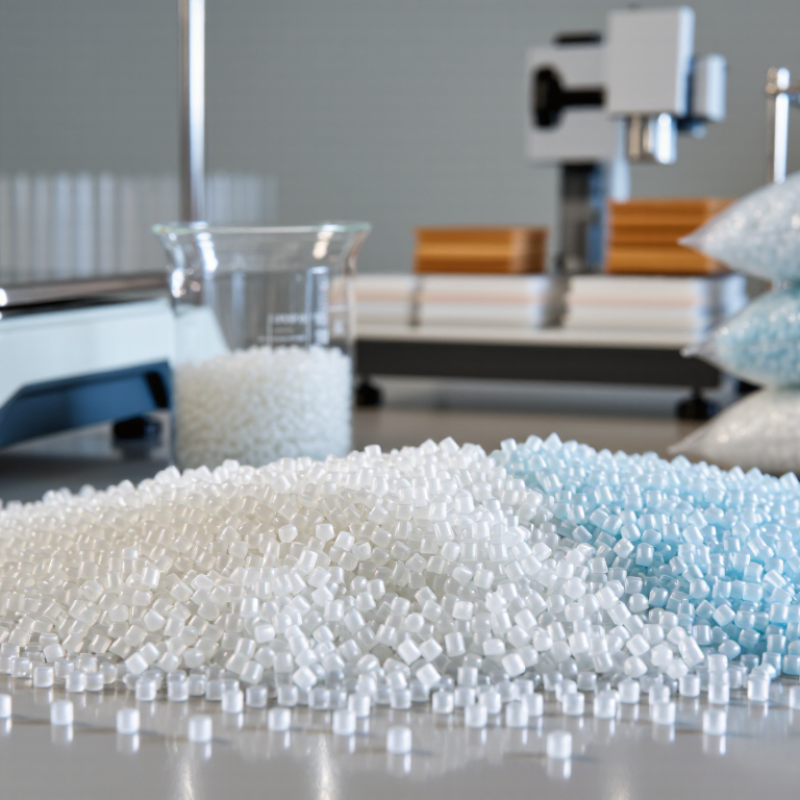
A China polypropylene plastic supplier is a manufacturer or trading partner that provides polypropylene resin, compounds, sheets, films, or molded products from China. The material may be supplied as homopolymer, random copolymer, or impact copolymer, depending on strength, clarity, heat resistance, and processing needs.
A dependable supplier should explain its production source, grade formulation, melt flow rate, additive package, and testing method. These details affect injection molding, packaging, automotive parts, and medical applications. The Plastics Industry Association reports that polypropylene remains one of the highest-volume thermoplastics globally. The OECD’s Global Plastics Outlook also identifies packaging as a major driver of plastic consumption. These figures show strong demand, but they do not prove every supplier is technically capable.
Look for batch certificates, sample testing, factory audits, and clear export documentation. A serious supplier can provide data for tensile strength, ash content, moisture, and thermal performance. Traceability matters. Ask whether the quoted grade remains consistent across production batches. Some suppliers respond quickly but offer vague technical files. That gap matters. A practical evaluation should compare verified test results, delivery records, minimum order quantities, and after-sales support. The best supplier may not offer the lowest price; a cheaper grade can create warping, odor, or unstable molding cycles. Mistakes happen, even with experienced teams. A written specification and independent inspection can reduce that risk.
What Products and Services Do Polypropylene Suppliers Provide?
Polypropylene suppliers provide more than standard plastic pellets. They often offer homopolymer, random copolymer, and impact copolymer grades for different production needs. Each grade behaves differently during molding, extrusion, or fiber spinning. A reliable supplier explains melt flow rate, stiffness, impact strength, and temperature resistance in practical terms. Data sheets matter. So do samples.
Their product range may include injection molding grades for containers, household parts, and automotive components. Extrusion grades support sheets, pipes, films, and profiles. Fiber grades are used for nonwoven fabrics, packaging materials, and filtration products. Some suppliers also provide reinforced polypropylene with mineral fillers or glass fibers. These materials can improve rigidity, but they may affect processing settings and surface appearance.
Good service includes technical consultation, sample testing, color matching, packaging choices, and delivery coordination. Experienced teams can review a customer’s mold design and suggest a suitable grade. They may also provide batch traceability and quality inspection records. Still, no supplier can promise perfect results without testing. Processing conditions, equipment wear, and recycled content can change performance. I have found that small trial runs reveal problems early. Sometimes, a cheaper grade creates higher costs through warping, waste, or unstable production. Suppliers should discuss these risks openly, even when the answer is uncomfortable.
How to Evaluate a China Polypropylene Plastic Supplier
What Is the Best China Polypropylene Plastic Supplier?
Evaluating a China polypropylene plastic supplier requires more than comparing quotations. The OECD Global Plastics Outlook reports that global plastic production reached 460 million tonnes in 2019, nearly double the 2000 level. This scale increases the need for stable quality and traceable materials. Ask for the exact resin grade, melt flow rate, ash content, moisture level, and batch number. Request recent certificates of analysis and independent laboratory results. Compare trial samples with mass-production pellets. Do not judge quality from a polished showroom. Inspect silos, drying systems, color-change controls, and retained samples. Small details matter. Verify testing against ISO 1133 for melt flow and ISO 527 for tensile properties.
Commercial reliability deserves equal attention. The IEA’s Future of Petrochemicals report projects petrochemicals will account for nearly half of oil demand growth by 2050. Demand may stay strong, but supply interruptions can still damage production schedules. Review monthly capacity, raw-material sources, export experience, and emergency stock policies. A valid ISO 9001 certificate supports confidence, yet it cannot replace process records or corrective-action reports. Ask for shipment references with similar specifications. Check whether the supplier explains failed tests honestly. Perfect answers can be suspicious. In practice, I would approve a supplier only after a documented trial order, repeat testing, and a clear agreement on tolerances, packaging, inspection rights, and delivery responsibility.
What Quality and Compliance Standards Should Buyers Check?
What Is the Best China Polypropylene Plastic Supplier?
A reliable polypropylene supplier should provide more than a competitive quotation. Buyers need a current specification sheet, certificate of analysis, safety data sheet, and production lot number. Check melt flow rate, tensile strength, impact performance, ash content, moisture, color, and odor. These values should match the intended process, whether injection molding, extrusion, or film production. Ask for test methods, not only test results. Small details matter.
Compliance depends on the destination market and final application. For food-contact products, request applicable migration testing and a written declaration of compliance. For electrical or industrial parts, review fire performance, restricted-substance controls, and material traceability. An ISO 9001 certificate can show process discipline, but it does not prove every batch is suitable. The certificate may also be outdated. Verify its scope and validity.
A serious buyer should request samples from several production lots. Compare laboratory results with your own inspection. Independent testing can confirm melt flow, contamination levels, and mechanical properties. During a factory audit, inspect sealed storage, labeling, moisture control, and retained samples. Ask how nonconforming material is isolated. Weak answers are warning signs. In practice, suppliers sometimes present excellent samples while later lots vary slightly. That risk deserves written acceptance limits, corrective-action procedures, and regular reviews. A supplier may look professional, yet still need closer technical supervision.
How to Choose the Best Supplier for Your Application
Choosing the best China polypropylene plastic supplier starts with your application, not a low quotation. Define the product’s load, temperature, stiffness, impact needs, and molding process. A living hinge needs different polypropylene than a storage crate. Confirm whether homopolymer, random copolymer, or impact copolymer fits your design. Then review melt flow rate against your machine and wall thickness. Small details matter.
Ask for a current technical data sheet, safety data sheet, and certificate of analysis for each lot. Check test methods, not only headline values. Important records include batch traceability, production date, packaging condition, and declared additives. For regulated applications, request documented compliance evidence for the destination market. Do not accept vague claims such as “food safe” without supporting documents. A reliable supplier should explain lot variation and its complaint process. This makes reliability measurable.
Before placing a large order, run samples on your actual equipment. Record barrel temperatures, cycle time, shrinkage, weld-line strength, and surface appearance. I have seen materials pass basic tests yet fail during faster molding. That result is useful, not embarrassing. It shows the trial was realistic. Compare lead time, minimum order quantity, technical response speed, and packaging protection. An excellent supplier answers difficult questions clearly and admits limitations. My first shortlist was sometimes too narrow; price distracted me from process stability. Leave room for a second trial.
What Is the Best China Polypropylene Plastic Supplier?
How to Choose the Best Supplier for Your Application
Melt flow rate (MFR) is a practical first filter when selecting polypropylene resin. The ranges below are typical commercial screening values in g/10 min, measured under standard test conditions. A reliable supplier should provide a current technical data sheet, consistent batch results, application guidance, and documented quality control for the required MFR range.